

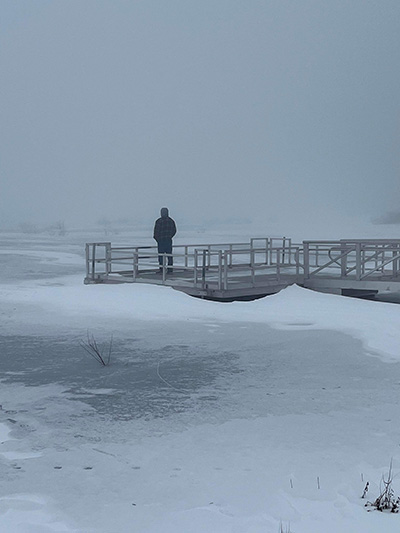
Durable Floating Docks and Launches Endure Frozen Lakes, Ice, and Winter Elements
People who enjoy water sports are often subject to climates and locations that experience winter conditions.
For example, people in New England and the Midwest face extremes of heatwaves and frigid blizzards. Many of our clients in these areas are concerned about protecting their floating docks, fishing piers, gangways, and adaptive accessible kayak launches. Parks and outdoor spaces must winterize their areas by putting items into storage, placing covers on items, and spending time to protect objects against the harshness of winter. Many customers ask if BoardSafe products need to be removed from the water and stored during the winter. The short answer is, “No, Board Safe’s floating docks, fishing piers, gangways, and adaptive accessible kayak launches do not necessarily need to be removed for the winter.”
BoardSafe’s products use high-quality grades of stainless steel, synthetic lumber, fiberglass, hardware, and other materials that are selected for their durability and ability to withstand extreme winter elements.
BoardSafe products are engineered and manufactured to perform well on rivers and tidal waters and can support various loads of spectators and athletes at rowing centers. BoardSafe takes special care to design products that are sturdy and can withstand both the elements and heavy use. Athletes in the northern United States and Canada will be happy to know that Board Safe’s docks and launches can remain in the water for the winter as long as the water levels do not fluctuate and there are no ice pack movements. Unusual situations, like draining a lake or chunks of ice floating down a river, could result in damage to the product. That said, a floating dock, fishing pier, or adaptive launch, that has a steady level and flow of water around it, will endure the winter and can be left in the water.
Each location and application is different, and BoardSafe should be consulted prior to allowing products to sit in the water all winter. With hundreds of installations across numerous climates and environmental conditions, BoardSafe is an expert in location selection, site work, design, engineering, manufacturing, and installation of floating docks, piers, and adaptive launches.
To discuss your project and to learn more about BoardSafe Docks, call 610-899-0286.
Who Can Use the BoardSafe Adaptive Kayak Launch?
We’re often asked, “Who can use the BoardSafe Adaptive Kayak Launch?”
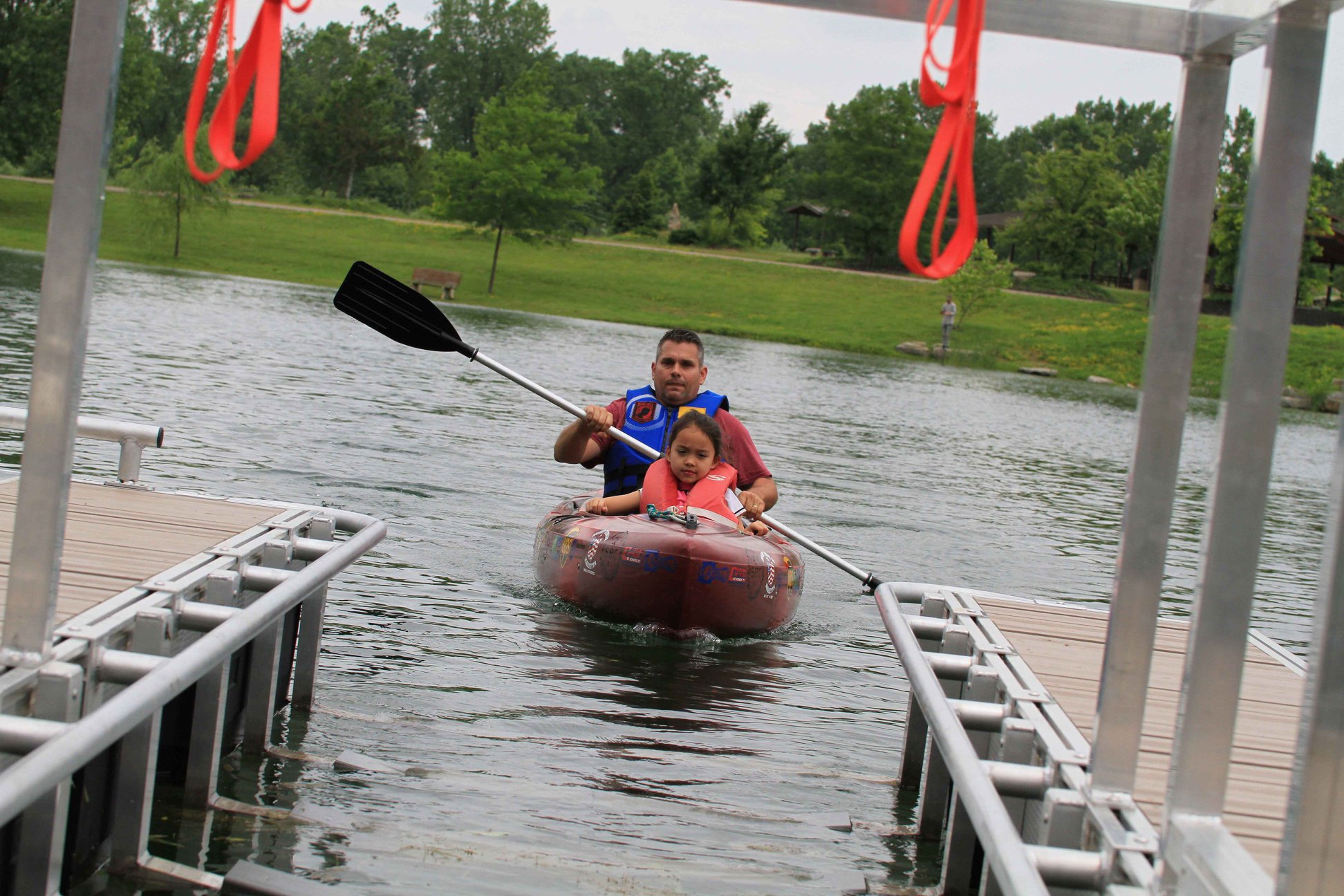
BoardSafe’s adaptive kayak launch is designed and manufactured with specific adaptive features that make it easy for paddlers in wheelchairs to access their kayaking vessel. The aluminum welded frame, side-by-side gangway and chute, roll cage with overhead grab bar, optional hand straps, and slide-down seat with pull-out bench, provide access in a safer and easier manner — for everyone.
These design features are engineered with adaptive paddlers in mind, who are often excluded from paddling due to their inability to get into their kayak without others physically lifting them into their vessel. BoardSafe closely considers its features so they work for paddlers who need to navigate from their wheelchair to their kayak so they can enjoy their time on the water. Without these adaptive features, adaptive paddlers could be stuck on land, excluded from the joys that kayaking brings.
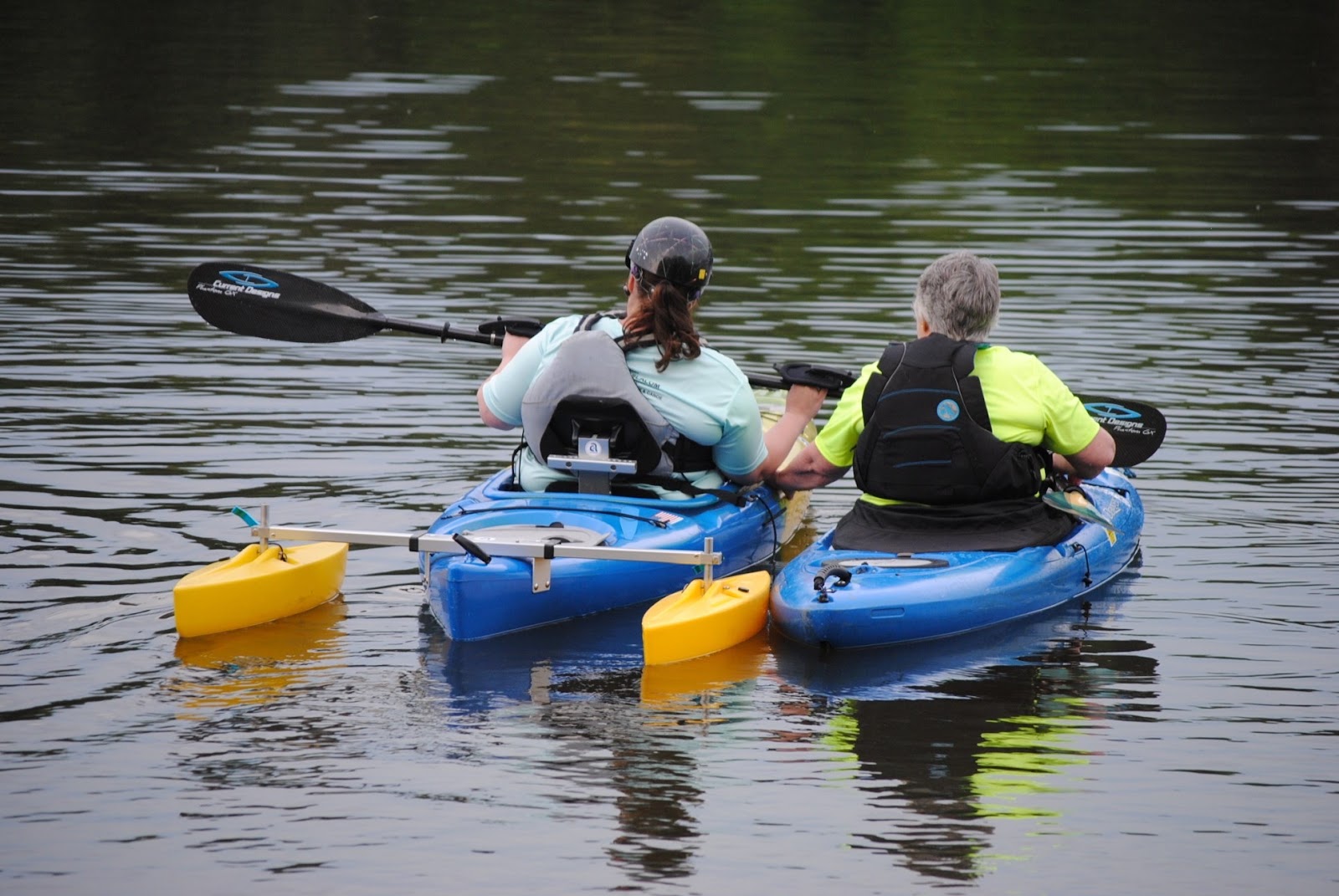
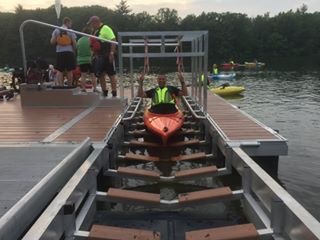
Can the kayak launch be used by non-disabled paddlers?
Can anyone use it? Can it launch an SUP (stand-up paddle board)? Can it launch a canoe? The answer to all these questions is, “Yes, yes, yes, and yes!”
The adaptive features of the launch are specialized to provide accessibility for persons who have been restricted from participating in the past. BoardSafe’s responsibility, when designing, engineering, and manufacturing these launches, is to make them accessible to paddlers with the highest degree of need. The BoardSafe launch is an inclusive launch, and we want people to try it out. The best way is to load up the kayak, canoe, or SUP, head to the nearest launch, and experience its ease of use!
Our goal at BoardSafe Docks is to make adaptive kayak launches available to the widest range of users. The purpose of the launch is to include all paddlers — abled users and differently-abled — so they can enjoy the freedom and pleasures that being out on the water brings.
BoardSafe’s feedback from adaptive paddling groups reveals that although some launches call themselves “accessible” and are promoted as such, some launch designs have barriers that exclude users with higher needs of accommodation.
The features of the BoardSafe Launch can accommodate persons with limited mobility who depend on wheelchairs and other accessibility aids, such as crutches, braces, and prosthetics. There is ample room on the floating dock portion of the launch to move safely from chair to bench. Users can also safely store the wheelchair out of the way of incoming and outgoing paddlers during high usage times. Additionally, the spacious area surrounding the launch (including the small floating dock across the launch area proper with the underwater straddles) provides room for multiple persons to assist the adaptive paddler to enter and exit their boat. The decking of the launch is made from a variety of materials, from synthetic lumber to concrete to grated fiberglass, and all substrates are textured to provide non-slip footing.
The BoardSafe adaptive launch is great for more independent paddlers who may be hampered by arthritis, balance limitations, or cognitive delays, as well as beginners, children, and seniors. The chute and saddle provide stability that holds the vessel in place, and offer an overhead grab bar, optional hand straps, and pull bars, that are appropriately placed to provide a smooth entry into and exit from the water.
The saddle is designed to accept kayaks, and the loading area is wide enough and long enough to accommodate most canoes, allowing for the paddler’s choice of vessels.
The launch was redesigned in 2021 with a new, standard feature: the saddle of the launch.
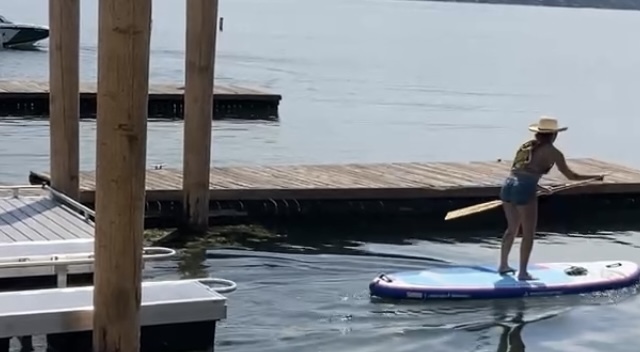
The saddle now contains a center void to accommodate where the paddle board will sit in the saddle. Since Stand-Up Paddle Boards (SUP) are manufactured with a center rudder, the improved saddle allows SUP users to place their paddle board into the saddle like a kayak and canoe, offering the stability needed to launch the SUP from the same chute. This new enhanced design makes the launch even more appealing and versatile for paddlers who want to get outside and onto the water with their SUP.
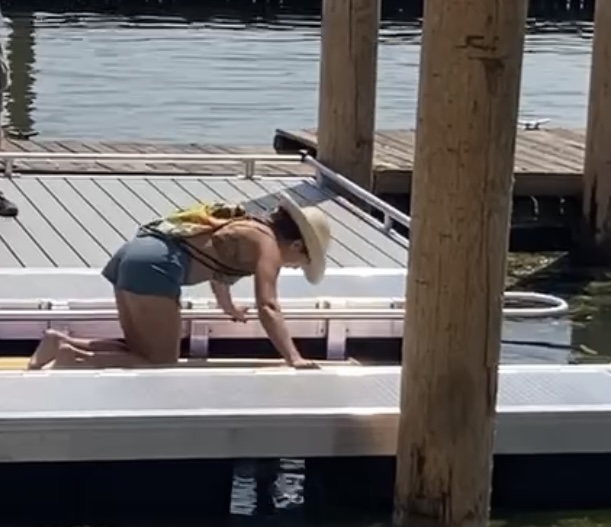
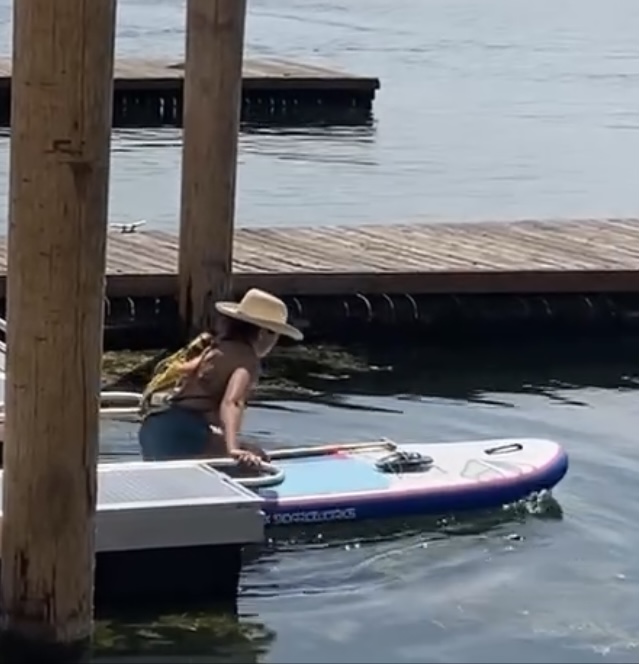
BoardSafe Docks is the trusted designer, engineer, and manufacturer of aluminum floating docks, adaptive kayak launches and fishing piers, gangways, and pedestrian bridges. BoardSafe is also a recognized and respected designer and manufacturer of rowing centers for top national rowing teams. The sales team at BoardSafe Docks is always available for questions, consultation, and to assist you in finding your optimal waterfront solution and talking you through your challenges.
Click here to begin a tour of our adaptive products. Check out our website at BoardSafeDocks.com or give the sales and design team a call at 1-610- 899-0286.
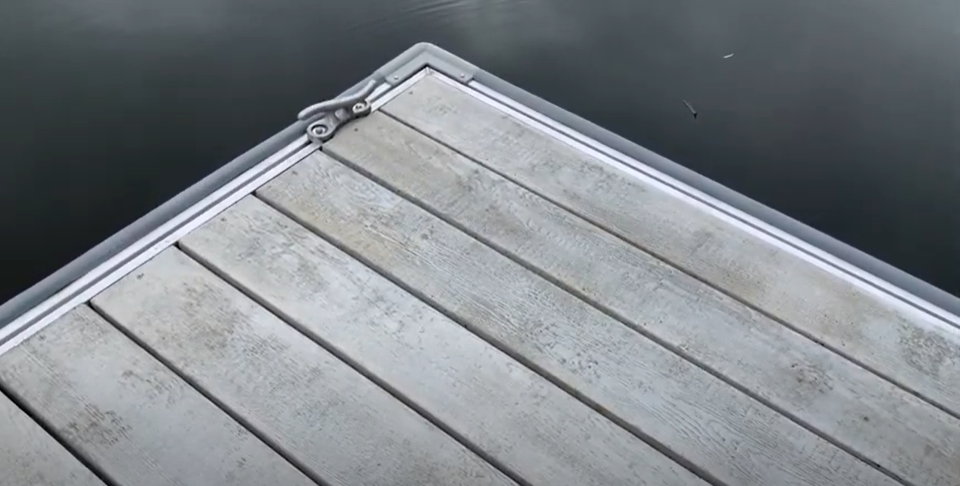
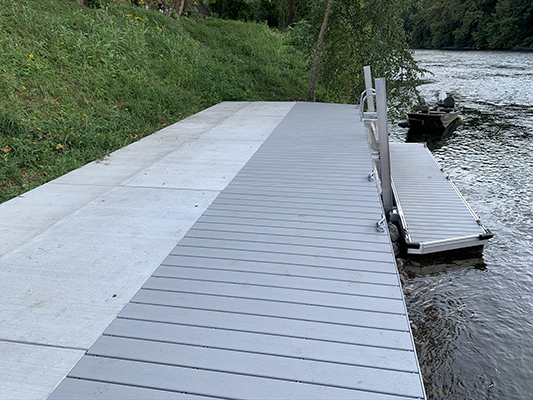
Floating Aluminum Docks with Concrete Deck Panels by BoardSafe Docks
Ever innovating and improving their marine access products, BoardSafe Docks launches a new product: an aluminum floating dock with 8" wide and 2" thick pre-stressed concrete panels. The concrete is available in a natural concrete finish, woodgrain, exposed aggregate, or smooth finish. It can be stained with any number of standard options.
The rub rail is designed to keep boats from rubbing against the aluminum extrusion and causing damage to the boat.
This commercial product — the 50 Con series — is on a par with BoardSafe Docks' standard 50 series. The idea came to fruition as a result of a client request, as well as in response to rising prices for aluminum and other raw materials.
The concrete deck panels prove to be as durable as other commercial products. This particular dock has 16" of freeboard with no live load, and it weighs 23 pounds per square foot. BoardSafe can also manufacture floating docks with concrete decking and freeboard of 20", 24", and 28", based on the specifications designated by each client.
BoardSafe Docks is the trusted dock engineer and rowing center designer and manufacturer for top national rowing teams, as well as a trusted partner for smaller projects. Learn more at BoardSafeDocks.com.
What Length Gangway Provides Handicap Access for an ADA Floating Dock, Fishing Pier, or Adaptive Kayak Launch?
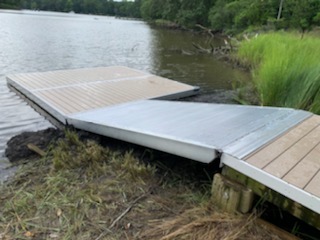
Many states, cities, and other government and nonprofit entities, are promoting safe water accessibility products for adaptive athletes and individuals living with a handicap. These include a range of products, like adaptive and accessible kayak launches, ADA fishing piers and floating docks, aluminum floating rowing docks, and more. As this new industry grows in popularity, there is much uncertainty about how to design and engineer products that truly accommodate all ages and abilities. BoardSafe has become the trusted expert to engineer, design, and manufacture accessibility products for those who are serious about ADA access for their community.
We often get asked, “What length gangway do I need for my dock project?” There are many site conditions that need to be considered before this question can be answered.
One of the most important considerations is the vertical dimension from the top of the floating dock to the connection point on land. The connection point may be a concrete foundation or fixed wood pier. It is important that this dimension be determined when the water is deemed at its lowest recorded daily average. This water elevation is referred to as “mean low water” (MLW).
The slope requirement for the gangway is also an important consideration. You will need to find out what regulations you are required to follow, such as those regarding the Americans with Disabilities Act (ADA). If your project is for commercial or public use, this is something that needs to be considered. If so, you will most likely need a gangway that provides either a 1/12 (8.3%) or 1/20 (5.0%) slope. Again, this needs to be clarified by your local permitting authority. If your project is a residential application, there may be no slope requirements you need to follow. We have, however, determined that a slope of 2.75/12, or 22.9%, is the maximum slope that is comfortable to walk up or down.
Another consideration is water depth. We manufacture our gangways with flotation added to the bottom of the gangway. The reason we do this is to ensure the weight of the gangway does not put an additional point load on the dock. Quite simply, we don’t want to sink the dock because of the gangway’s weight. As a rule of thumb, we require a minimum water depth of 18 inches at the end of the gangway. This dimension may be larger for longer, more heavy gangways.
To help you determine what length gangway you will need, we’ve developed a drawing showing key dimensions and definitions. Gangway length will be based on your specific site dimensions and dock freeboard (the dimension from the top of the water to the top of the dock — please reference sketch below).
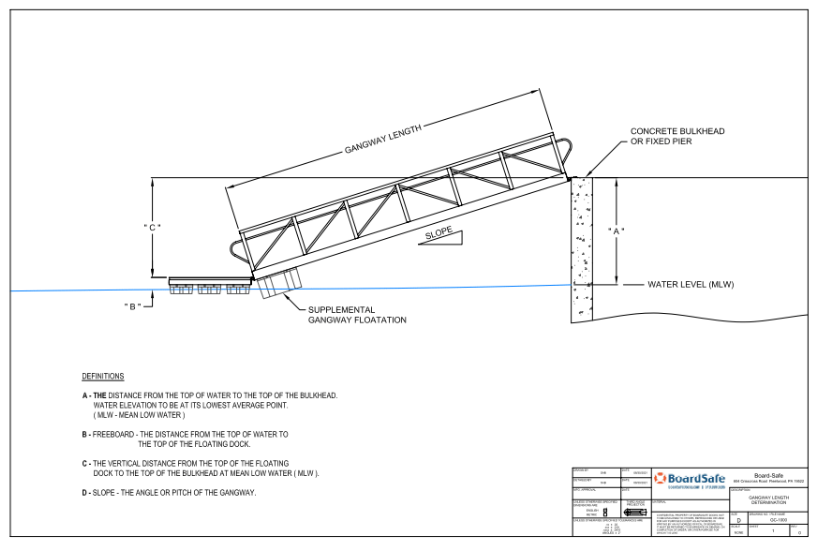
It is important to understand that BoardSafe Docks manufactures its gangways to be attached to our floating docks, not to sit on top of them.
For assistance in designing, engineering, and ordering an aluminum gangway for your project, please complete the contact form or call us at 610-899-0286.
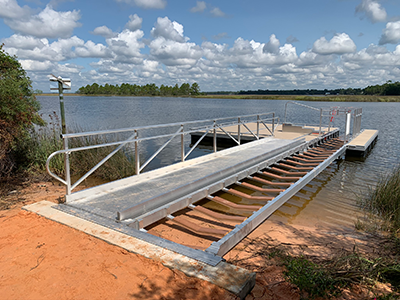
How to Calculate ADA Gangway Length to Provide Handicap Access for an ADA Floating Dock, Fishing Pier, or Adaptive Kayak Launch
Boating, paddling, and kayaking, have exploded in popularity as people of all ages and abilities seek new and exciting outdoor activities. Many community groups and government officials have taken notice of this trend and seek to open safe water access for all abilities — young and old, able-bodied and adaptive athletes. Some of the most popular accessibility products include adaptive kayak launches and accessible fishing piers that include many features that are considered Americans with Disabilities Act (ADA)-compliant. Included in this compliance is the slope of the gangway when the user moves from land, across the threshold, and onto the gangway that has a modest slope or pitch leading to the floating dock, pier, or boat launch. The slope requirement for the gangway is an important consideration.
The first step to compliance is to find out what regulations you may be required to follow, such as the Americans with Disabilities Act (ADA). If your project is for commercial or public use, this is something that needs to be considered. If so, you will most likely need a gangway that provides either a 1/12 (8.3%) or 1/20 (5.0%) slope. Again, this needs to be clarified by your local permitting authority. If your project is a residential application, there may be no slope requirements you need to follow. We have, however, determined that a slope of 2.75/12, or 22.9%, is the maximum slope that is comfortable to walk up or down. Even if your floating dock project is not subject to ADA requirements, following these requirements and features will ensure that the maximum number of users can safely use the dock or launch.
The second consideration regarding the gangway dimensions after the slope is identified is to calculate the length of the aluminum gangway. Understanding all site conditions is imperative, including the vertical dimension from the top of the floating dock to the connection point on land. The connection point may be a concrete foundation or fixed wood pier. It is important that this dimension be determined when the water is deemed at its lowest recorded daily average. This water elevation is referred to as “mean low water” (MLW).
Another consideration is water depth. BoardSafe manufactures our gangways with flotation added to the bottom of the gangway. The reason we do this is to ensure the weight of the gangway does not put an additional point load on the dock. Quite simply, we don’t want to sink the dock because of the gangway’s weight. As a rule of thumb, we require a minimum water depth of 18 inches at the end of the gangway. This dimension may be larger for longer, more heavy gangways.
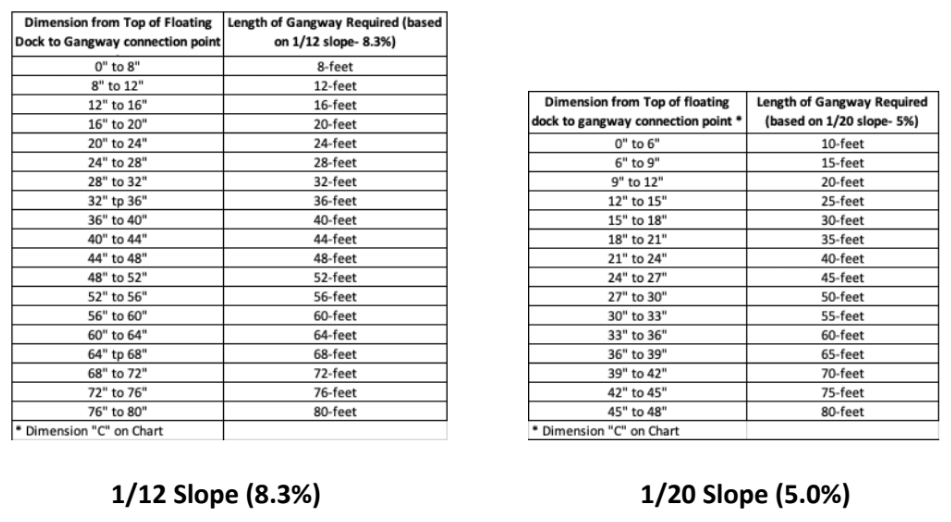
Refer to the charts below to estimate the gangway length based on two factors: Dimension “C” and the slope required for your project.
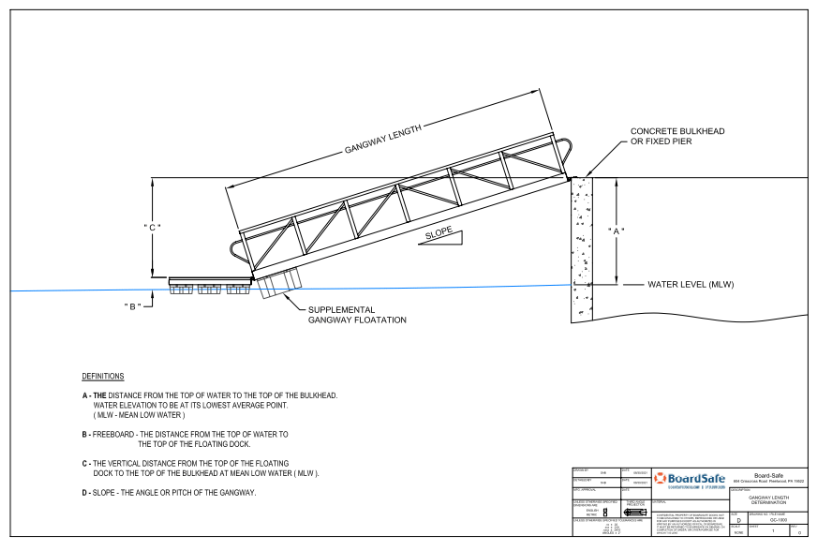
Typical Gangway Layout
Please note: Dimension “C” is determined by subtracting your dock’s freeboard (dimension “B”) from your overall height (dimension “A”) as shown on the layout below.
It is important to understand that BoardSafe Docks manufactures its gangways to be attached to our floating docks, not to sit on top of them. If your gangway sits on top of your floating dock, the slope and length may be different from what is shown on our charts above.
To help you determine what length gangway you will need, we’ve developed a drawing showing key dimensions and definitions, as well as charts showing gangway lengths based on your specific site dimensions and dock freeboard (the dimension from the top of the water to the top of the dock — please reference sketch below).
Please do not hesitate to contact BoardSafe Docks if you need assistance sizing the gangway for your project. Use the contact form or call our office at 610-899-0286.
BoardSafe Is a Member of PA COSTARS' Purchasing Program
BoardSafe is a participant in the Pennsylvania COSTARS Cooperative Purchasing Program. COSTARS is the Commonwealth of Pennsylvania's cooperative purchasing program that serves as a conduit through which registered and eligible local public procurement units and state-affiliated entities are able to leverage contracts established to cost-effectively and efficiently identify suppliers with whom to do business. This streamlines the purchasing process for both sides.
The COSTARS Program's goal is to provide members with contracts that are competitively priced while delivering increased opportunities for our supplier and member partners.
Membership in COSTAR facilitates the purchase of supplies, services, and construction by entities that spend public funds, such as a council of governments or an area government, or an organization that receives public grant funds.
COSTARS suppliers, such as BoardSafe, must demonstrate high standards of responsibility and responsiveness. Many purchasers use a shortlist of preferred suppliers that they know they can depend on to deliver the goods in a timely manner and at competitive prices. Amazing customer service plus competitive pricing will go a long way to winning a member’s project!
Government agencies large and small, up and down the East Coast, have found BoardSafe to be a reliable supplier of the finest aluminum floating docks, gangways, adaptive kayak launches, and other marine recreation products. We have lived up to their COSTARS standards and reputation.
Other clients, from private citizens to boating and kayak clubs to public schools and universities, have relied on the trusted BoardSafe name.
For more information, contact us at 610-899-0286 or continue to browse our website, especially our Projects page.
Environmental Benefits of BoardSafe Floating Docks
BoardSafe strives to be environment-friendly in all our operations. Our materials are selected for their durability and sustainability. We design systems that do not hinder the surrounding ecosystem of plant and animal life. Our quick and quality installation process reduces the on-site presence of heavy equipment, and we do it right the first time so we don't have to return.
Property owners, whether governments, clubs, schools, individuals, or others who are contemplating installing or replacing docks, need to be aware of the sustainability of the components and their impact on the marine ecosystem. BoardSafe takes all of that into consideration, from the design phase through the procurement of materials to the final installation.
BoardSafe's made-in-the-USA floating docks are constructed from the highest-grade aluminum, so there is no concern about deterioration, as there can be with wooden docks. They are low-maintenance, meaning an occasional power wash will keep them looking great, with a minimal need for solvents and other chemicals that can pollute the water. Environment-friendly cleaning products are available to remove stains.
BoardSafe prebuilds as many components as possible to minimize our time at the installation site. We make sure everything is complete before we leave the site, so we don't have to return. This means less trampling of the ground and vegetation.
Aluminum floating docks are more easily moved and replaced than fixed docks, should the need arise.
Read more about our consultation process here.
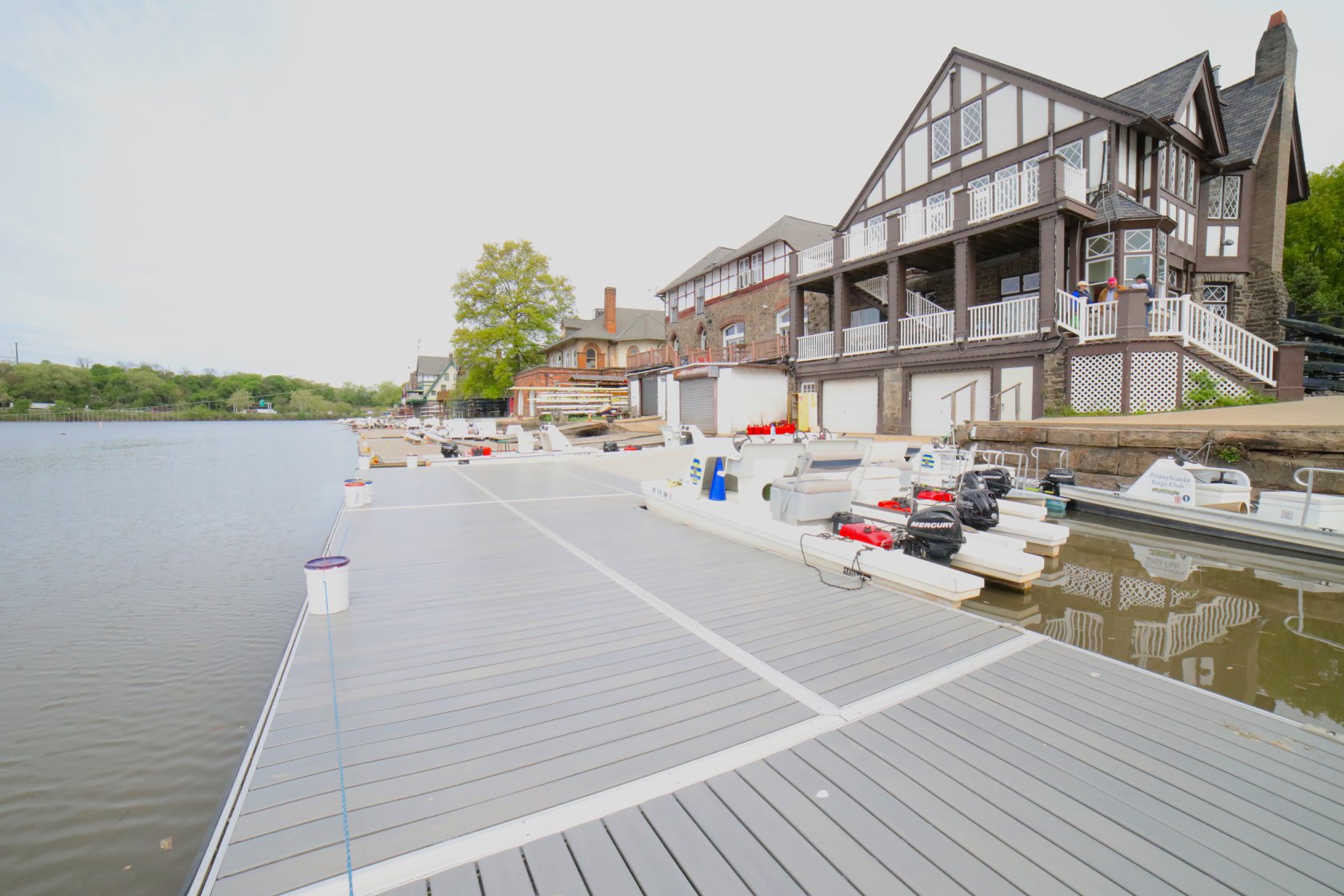
New Dock Makes PA Barge Club Envy of Boathouse Row
The following is a testimonial about how pleased the Pennsylvania Barge Club was with BoardSafe's efficiency and hassle-free client interaction during their new dock installation.
I want to thank you and Northeast for the fabulous job you did at Pennsylvania Barge Club. The demolition and removal of our old ramp and dock as well as the construction and installation of our new ramp and dock were flawless and without any headaches on our part during the project. And the finished product is absolutely beautiful. We are the envy of our neighbors on Boathouse Row in Philadelphia.
Your attention to detail as well as your quick responsiveness to any of our concerns was greatly appreciated. Your ability to respond to our needs and requests was certainly very gratifying especially when a construction project can be such a harrowing experience. In this case, it will be nothing but pleasant memories.
Both our members and tenants were amazed at how efficiently the project was managed. And, all are extremely happy with the finished project.
We certainly picked the right contractor for the job and for that I am extremely grateful.
Sincerely,
Michael J. Ragan
President. Pennsylvania Barge Club
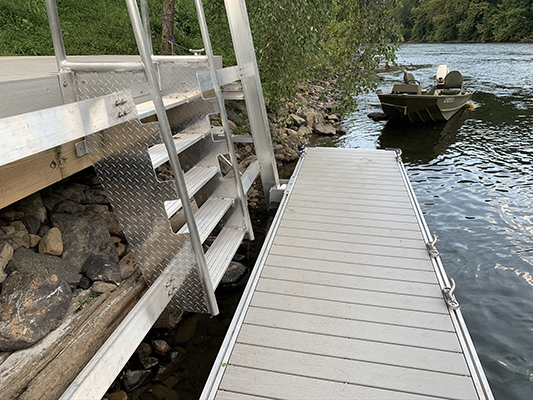
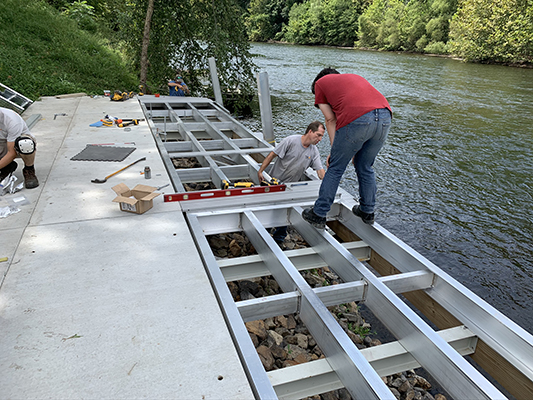
BoardSafe Custom Pier and Docks on the Schuylkill River
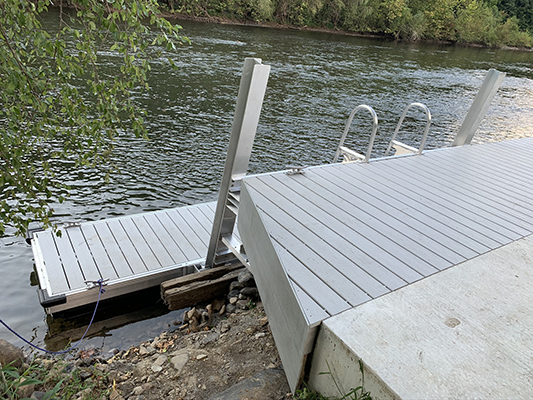
This recent BoardSafe custom installation includes an aluminum staircase leading down the bank, measuring 3½ feet wide by 18 feet long. It also includes a fixed aluminum pier, as well as floating aluminum docks.
Custom BoardSafe Aluminum Floating Dock, Boat Rack, and Launches
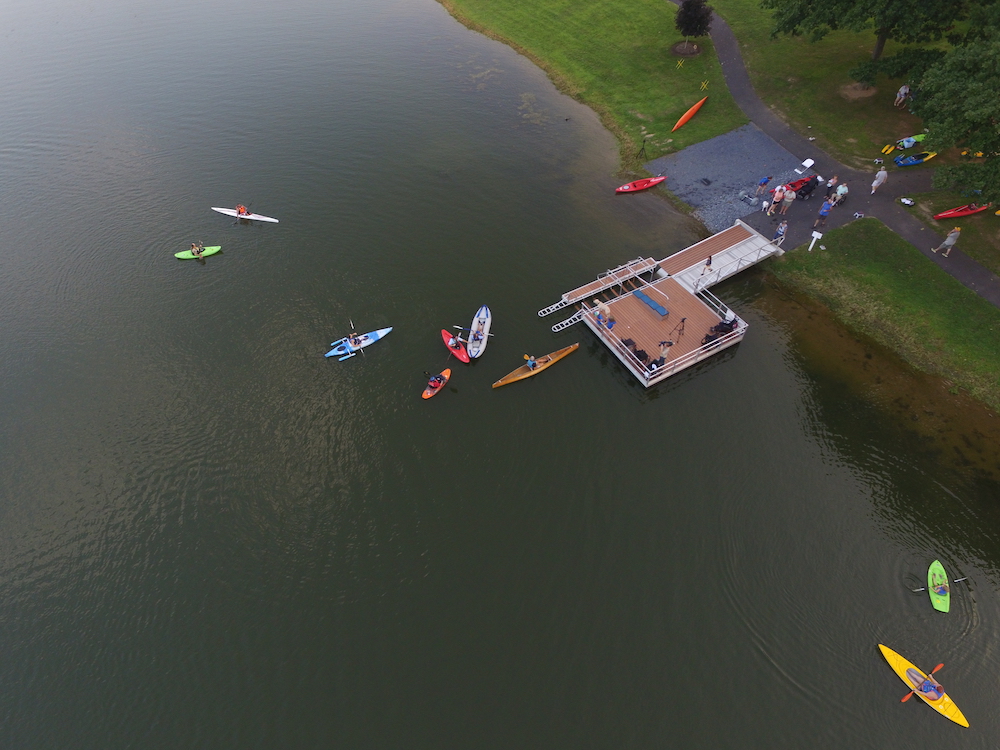
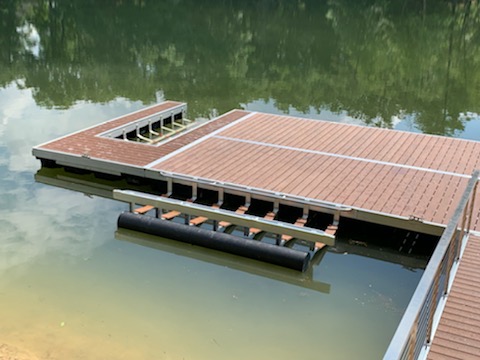
BoardSafe recently engineered, manufactured, and installed, a custom aluminum floating dock and gangway for a private lake. The BoardSafe custom aluminum floating dock is equipped with two kayak launches. The installation also includes an attached boat rack that cantilevers out over the water, freeing up valuable deck space.
Watch this video testimonial and bird's-eye perspective of this custom BoardSafe installation: