
What Are the Best Decking Options for ADA Gangways and Pedestrian Bridges?
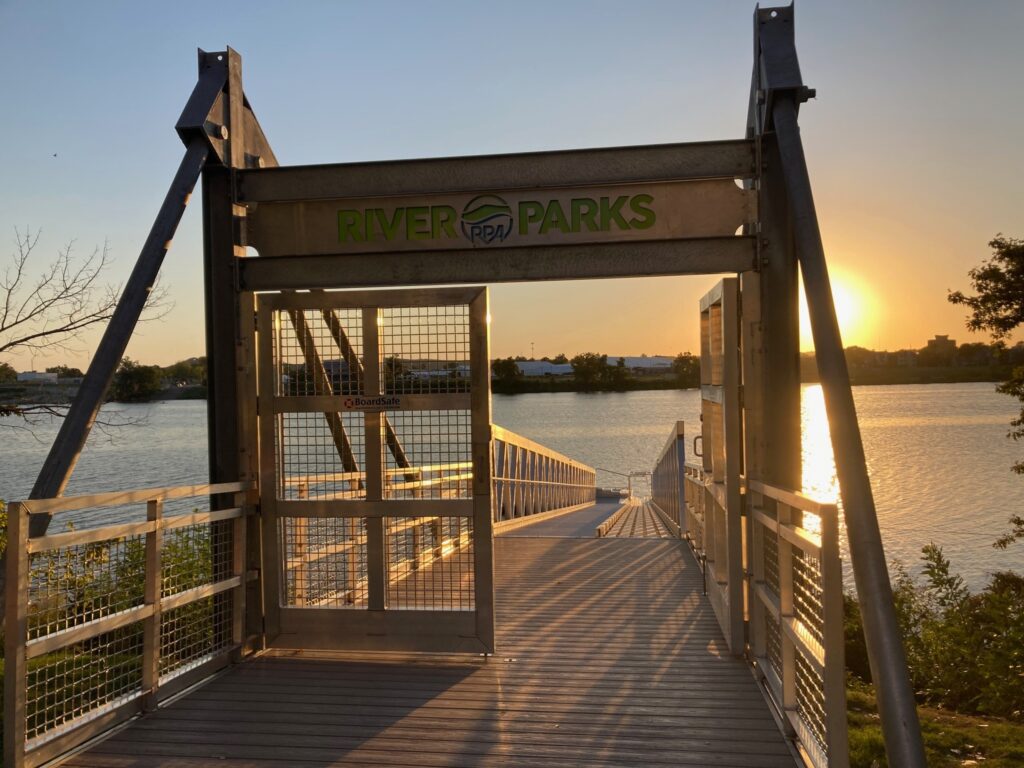
Choosing the Right Decking Material for Safety, Durability, and Long-Term Performance
When designing a waterfront gangway, pedestrian bridge, or floating dock, one of the most important questions customers ask is: What decking material will perform best for our project?
The answer depends on more than appearance or initial cost. The right decking material must withstand environmental conditions, support expected foot traffic, provide reliable traction, and deliver lasting value.
At BoardSafe Docks, we understand that no two waterfront projects are alike. With more than 30 years of marine industry experience, our team helps customers select decking materials that balance safety, structural durability, performance, aesthetics, and budget.
Our guided design process takes customers through site evaluation, design, engineering, fabrication, and installation guidance. From the first conversation to project completion, we help customers make informed decisions about their waterfront investment.
Six Decking Options for Floating Docks, Gangways, and Pedestrian Bridges
Choosing the best decking material starts with understanding the environment in which the structure will operate.
Climate, temperature fluctuations, saltwater exposure, tidal changes, flooding, ice, moisture, and expected foot traffic all influence how decking materials perform over time.
Let's explore six common decking options and the advantages and considerations of each.
1. Aluminum Decking: Strength, Durability, and Low Maintenance
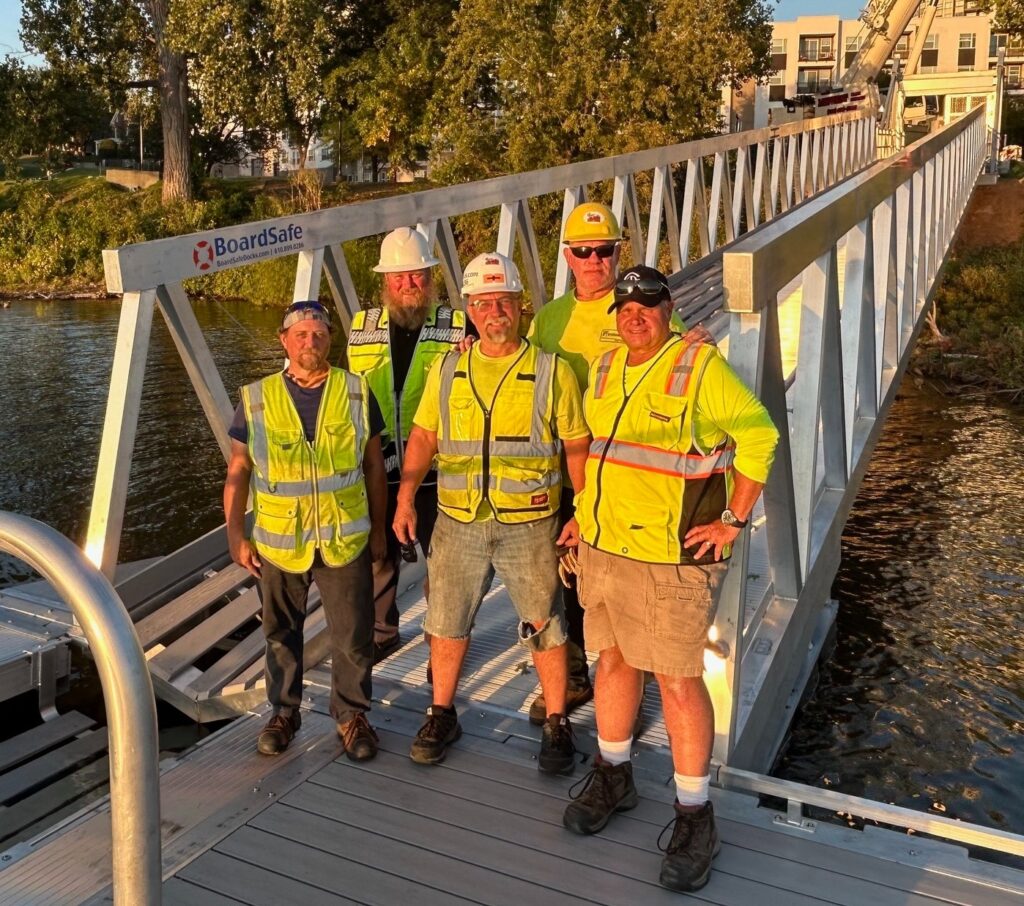
Best for: High-traffic commercial gangways, pedestrian bridges, floating docks, and demanding waterfront environments.
Aluminum is one of the strongest choices for commercial waterfront decking because it combines structural strength, corrosion resistance, and relatively low weight.
Unlike traditional wood, aluminum does not rot, splinter, or absorb water. It also resists rust and performs exceptionally well in freshwater and marine environments when properly specified.
Key advantages:
- Exceptional durability: Resists rot, insect damage, and deterioration from prolonged moisture exposure.
- Low maintenance: Eliminates the need for routine staining, sealing, or painting.
- Lightweight strength: Provides a strong decking surface without adding excessive weight to the structure.
- Corrosion resistance: Performs well in freshwater and saltwater environments with appropriate alloy selection and protective detailing.
- Slip-resistant options: Textured and grooved surfaces can improve traction in wet conditions.
- Sustainability: Aluminum is recyclable and can provide decades of useful service.
Considerations: Aluminum typically costs more upfront than pressure-treated wood. It can also become hot in direct sunlight, and some surfaces may feel slippery when wet if they lack appropriate texture.
For high-traffic commercial applications, however, aluminum's durability and reduced maintenance requirements can make it an excellent long-term investment.
The BoardSafe Advantage: BoardSafe specializes in structurally engineered aluminum waterfront infrastructure. Our team evaluates decking requirements alongside the complete structural system to help customers achieve long-lasting performance.
2. Composite Decking: Attractive Appearance with Reduced Maintenance
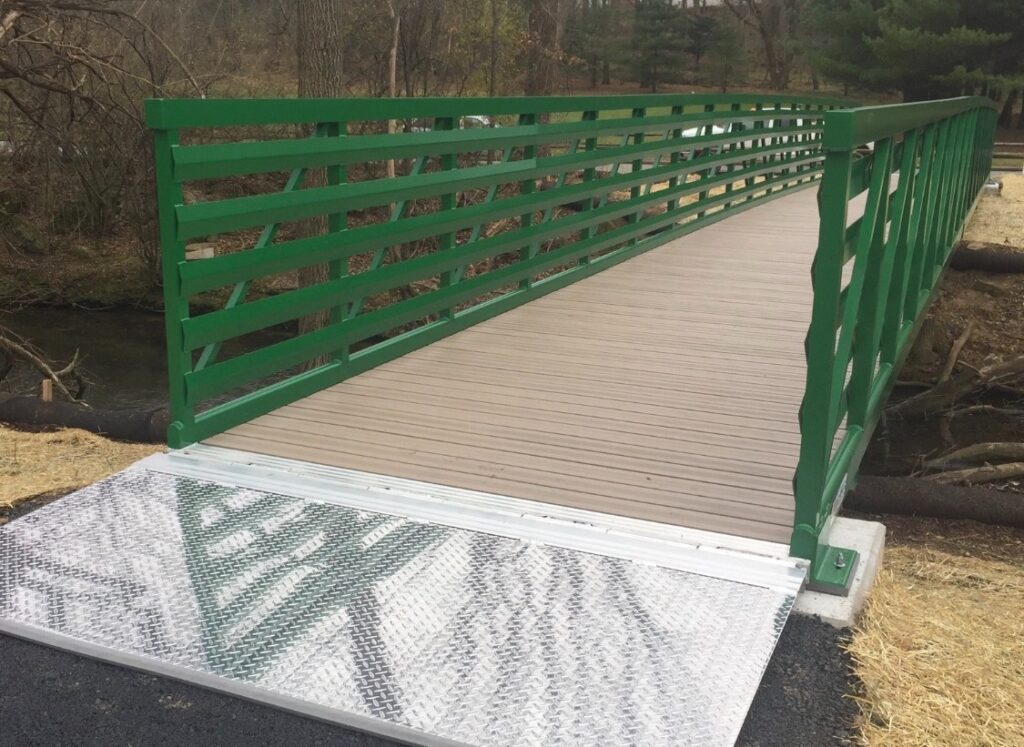
Best for: Recreational docks, pedestrian walkways, waterfront parks, and projects where appearance and maintenance are important considerations.
Composite decking combines wood fibers or other fillers with plastic polymers to create boards that resemble traditional wood without requiring the same level of maintenance.
Many waterfront communities choose composite decking because it offers a finished appearance and comes in a variety of colors and textures.
Key advantages:
- Low maintenance: Generally requires no staining or sealing.
- Moisture resistance: Resists many forms of rot and insect damage.
- Attractive appearance: Offers the look of natural wood in multiple colors and finishes.
- Consistent surface: Many products resist splintering and provide a comfortable walking surface.
- Slip-resistant options: Select products offer textured surfaces designed to improve wet traction.
Considerations: Composite decking can expand and contract with temperature changes, become hot in direct sunlight, and require closer structural support spacing than some other materials. Performance varies considerably among manufacturers, especially in permanently wet or flood-prone environments.
Not every composite product is approved for marine applications or prolonged water exposure.
The BoardSafe Approach: We evaluate composite decking based on environmental exposure, expected traffic, structural requirements, and the manufacturer's recommended applications.
3. Ipe Hardwood: Natural Beauty and Exceptional Density
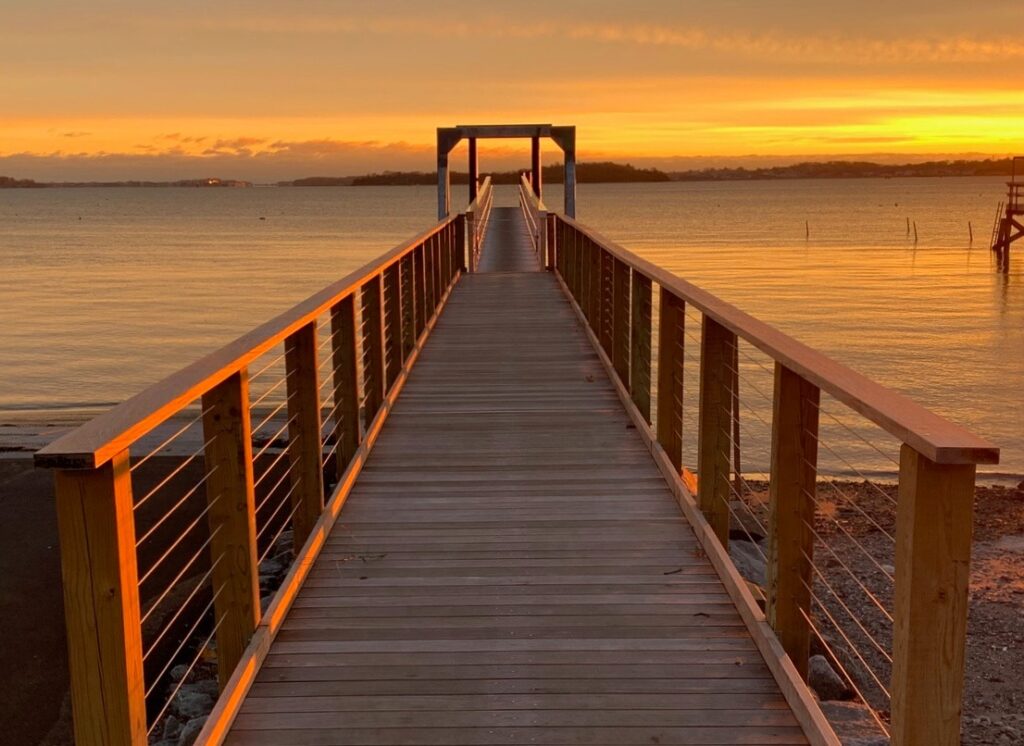
Best for: Premium waterfront walkways, pedestrian bridges, marinas, and projects where natural appearance is a priority.
Ipe (pronounced ee-pay) is a dense tropical hardwood known for its strength, durability, and rich natural appearance.
Its natural resistance to decay and insects makes it a popular choice for outdoor structures, including waterfront boardwalks and pedestrian bridges.
Key advantages:
- Natural durability: Dense hardwood fibers provide excellent resistance to wear and decay.
- High strength: Handles substantial pedestrian traffic when properly designed and installed.
- Premium appearance: Offers a distinctive natural wood finish.
- Long service life: Can provide decades of performance with appropriate installation and maintenance.
- Weather resistance: Performs well in many outdoor environments.
Considerations: Ipe is heavier and more expensive than many traditional wood products. Installation requires specialized cutting tools and fasteners, and the surface can become slippery when algae or biological growth accumulates.
Without periodic finishing, Ipe naturally weathers to a silver-gray color. Customers should also consider responsible sourcing and verified sustainable forestry practices.
The BoardSafe Approach: Ipe can be an attractive option when customers prioritize aesthetics and are prepared for its higher material and installation costs.
4. Pressure-Treated Wood: An Economical, Traditional Option
Best for: Budget-conscious waterfront projects, recreational docks, and lower-traffic applications where routine maintenance is acceptable.
Pressure-treated lumber remains a common decking choice because it is widely available, relatively affordable, and familiar to contractors.
Manufacturers treat the wood with preservatives to help protect it against decay, fungi, and insects.
Key advantages:
- Lower initial cost: Generally less expensive upfront than aluminum, Ipe, or premium composite decking.
- Availability: Easy to source and replace.
- Traditional appearance: Offers the familiar look and feel of natural wood.
- Repairability: Individual boards can often be replaced without removing the entire deck.
Considerations: Pressure-treated wood requires ongoing inspection and maintenance. Over time, exposure to moisture, sunlight, and changing temperatures can cause boards to warp, crack, split, or splinter.
Wet wood can also become slippery, particularly when algae or mildew accumulates.
Waterfront applications require properly rated preservatives, corrosion-resistant fasteners, and attention to environmental regulations.
The BoardSafe Approach: Although pressure-treated wood can reduce initial project costs, we encourage customers to evaluate its expected service life, maintenance requirements, and replacement costs before selecting it for commercial infrastructure.
5. BoardSafe Floating Dock with Concrete Decking: A Solid, Heavy-Duty Surface
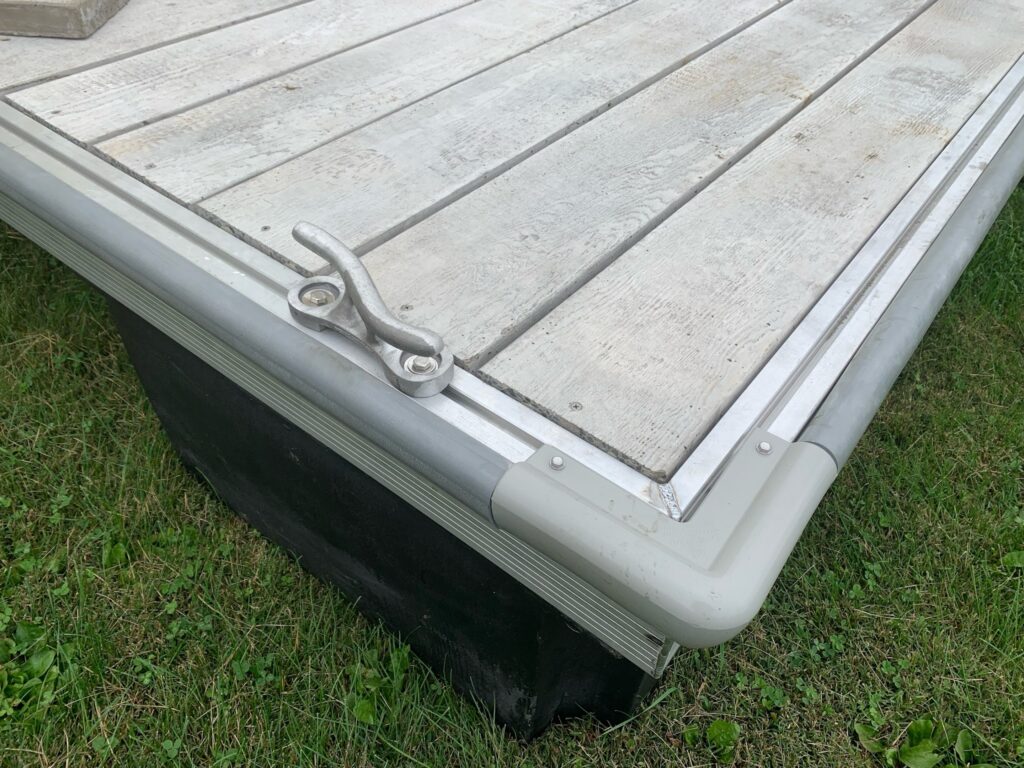
Best for: Certain fixed pedestrian bridges, commercial walkways, and engineered waterfront structures that can accommodate substantial weight.
Concrete decking provides a rigid, durable walking surface capable of supporting heavy pedestrian use when properly engineered.
Concrete surfaces can be precast or cast in place, depending on the structure and application.
Key advantages:
- High load capacity: Suitable for demanding applications when the supporting structure is properly designed.
- Durability: Resists rot, insects, and many types of surface wear.
- Low routine maintenance: Does not require staining or wood preservatives.
- Slip-resistant finishes: Broom-finished or textured surfaces can improve traction.
- Solid walking surface: Provides a firm surface that can be useful for pedestrian accessibility.
Considerations: Concrete is significantly heavier than aluminum, wood, or many composite materials. That additional weight increases structural support requirements and may make concrete unsuitable for some floating docks and lightweight gangways.
Concrete can also crack, spall, or deteriorate when exposed to freeze-thaw cycles, salt, or reinforcing-steel corrosion if not properly designed.
The BoardSafe Approach: Our engineering team evaluates whether concrete decking is appropriate for the project's structural design, loading requirements, and environmental conditions.
6. Flow-Through Grating: Drainage and Performance in Wet Environments
Best for: Flood-prone areas, marine walkways, gangways, docks, and waterfront locations where drainage and water movement are important.
Flow-through grating uses an open-grid design that allows water, rain, and some debris to pass through the decking surface rather than accumulate on top.
Manufacturers offer grating in several materials, including fiberglass-reinforced plastic (FRP), aluminum, and steel.
Key advantages:
- Improved drainage: Allows rainwater and splashing water to drain through the surface.
- Reduced standing water: Helps limit puddles and certain moisture-related hazards.
- Lightweight options: Fiberglass and aluminum grating can reduce overall structural weight.
- Slip-resistant surfaces: Many products feature molded textures or grit-coated finishes.
- Flood-conscious design: Openings can reduce some water pressure on the decking during overtopping or flooding.
- Reduced maintenance: Certain grating materials resist corrosion, rot, and insect damage.
Considerations: Grating must be carefully selected for pedestrian comfort, accessibility, and safety. Openings that are too large can create problems for wheelchairs, mobility devices, canes, or narrow footwear.
Some grating systems can also feel less comfortable underfoot, and not all products provide adequate traction when wet.
The BoardSafe Approach: We evaluate opening dimensions, traction, structural loading, drainage, and accessibility requirements to determine whether flow-through grating is appropriate.
In flood-prone environments, we also consider the complete structure's anchoring, connections, and ability to withstand hydraulic forces. Flow-through decking alone does not make a gangway or bridge flood-resistant.
Safety First: Why Decking Traction Matters
A safe waterfront structure starts with a walking surface that provides dependable traction in wet conditions.
Gangways, pedestrian bridges, and floating docks face conditions that traditional land-based walkways may never encounter.
Rain, splashing water, algae, changing temperatures, and heavy pedestrian traffic can all affect surface traction.
At BoardSafe, we place a high priority on selecting decking that supports safe and accessible waterfront use.
Textured aluminum decking is often our preferred choice for high-traffic commercial gangways and pedestrian bridges because it combines durability, strength, and available slip-resistant finishes.
However, no decking material is completely slip-proof. We evaluate several important safety considerations:
- Wet-surface traction: Does the material provide adequate grip when exposed to water?
- Accessibility: Can wheelchair users and people using walkers, canes, or other mobility devices navigate the surface comfortably?
- Surface stability: Will the decking remain secure under expected pedestrian loads?
- Drainage: Can water drain without creating unnecessary slipping hazards?
- Temperature: Will the surface become excessively hot in direct sunlight?
- Long-term wear: Will exposure to weather, saltwater, and heavy use affect surface performance?
Proper decking selection, drainage, cleaning, and maintenance all contribute to a safer waterfront experience.
For public projects, our design team also considers applicable accessibility standards, including surface firmness, stability, slip resistance, changes in level, and permitted openings.
Budget Matters: But the Lowest Bid Isn't Always the Lowest Cost
Every customer wants the strongest, safest, and most durable waterfront structure their budget will allow.
However, the initial purchase price tells only part of the story.
A lower-priced decking material may reduce construction costs today but create higher expenses through maintenance, repairs, replacement, and lost public access over time.
That's why BoardSafe encourages customers to evaluate the total cost of ownership, not simply the original bid.
When comparing decking options, consider:
- Initial material and installation costs
- Structural engineering and support requirements
- Routine cleaning and maintenance
- Repairs and replacement materials
- Expected service life
- Performance during storms, floods, hurricanes, ice, and heavy public use
- Downtime and temporary closures
- Long-term return on investment
Think Beyond the Decking: The Entire Structure Matters
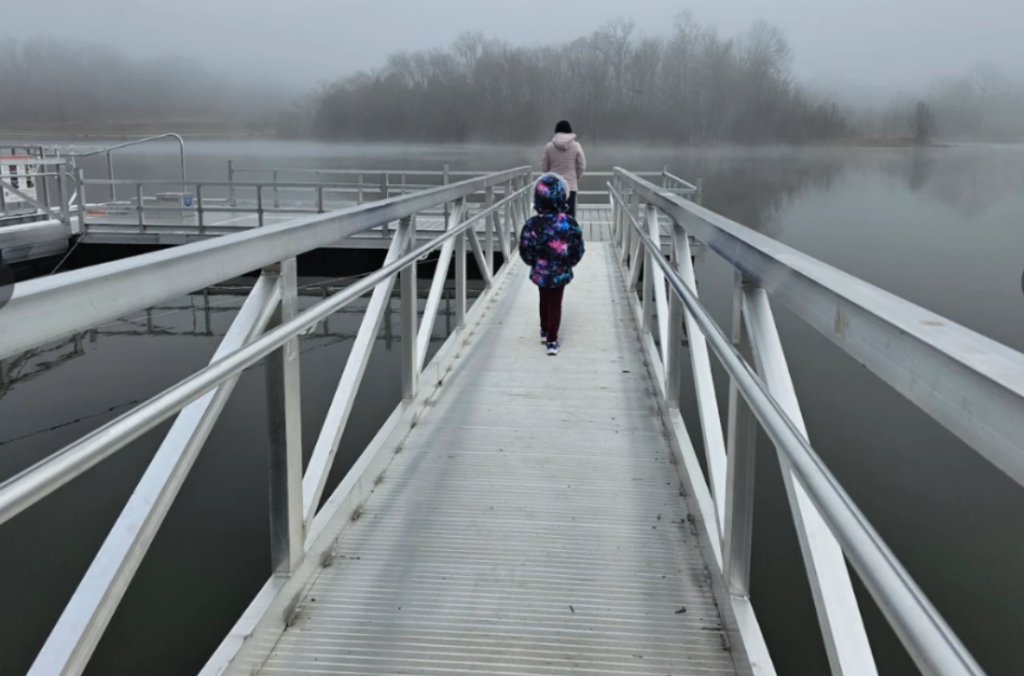
A gangway or pedestrian bridge must function as a complete engineered system. The frame, decking, connections, foundations, anchoring, and installation methods all contribute to its performance, and this is where BoardSafe is different!
For example, even the most durable decking cannot prevent structural failure if the gangway lacks appropriate engineering, structure or anchoring for its environment.
When a waterfront structure fails, the costs can extend far beyond the original purchase price. Emergency removal, replacement, redesign, re-engineering and permitting, repairs, and lost public access can quickly eliminate any upfront savings.
A gangway or bridge that remains closed for weeks—or an entire recreation season—cannot serve the community it was designed to support.
Waterfront infrastructure should be an investment in long-term access, not a recurring replacement expense.
Read and learn more here about evaluating waterfront infrastructure over its service life: The Real Cost of an Accessible Kayak Launch: A 25-Year Comparison on Total Cost of Ownership
The BoardSafe Difference: Engineered for Your Environment
Two gangways may look similar, but appearances don't reveal the quality of the engineering, structural components, materials, or connections.
At BoardSafe Docks, we believe every waterfront project deserves more than a one-size-fits-all solution.
Our team evaluates the unique challenges of each site and helps customers choose a structure designed to perform in that environment.
From material selection to structural engineering and fabrication, we focus on the details that affect safety, durability, accessibility, and long-term value.
We also understand that customers need reliable guidance throughout the buying process.
Our guided design process helps customers make confident, informed decisions from concept through installation.
Whether you're developing a public waterfront park, replacing an aging gangway, building a pedestrian bridge, or improving access to a marina, BoardSafe can help you evaluate the best materials and structural solutions for your project.
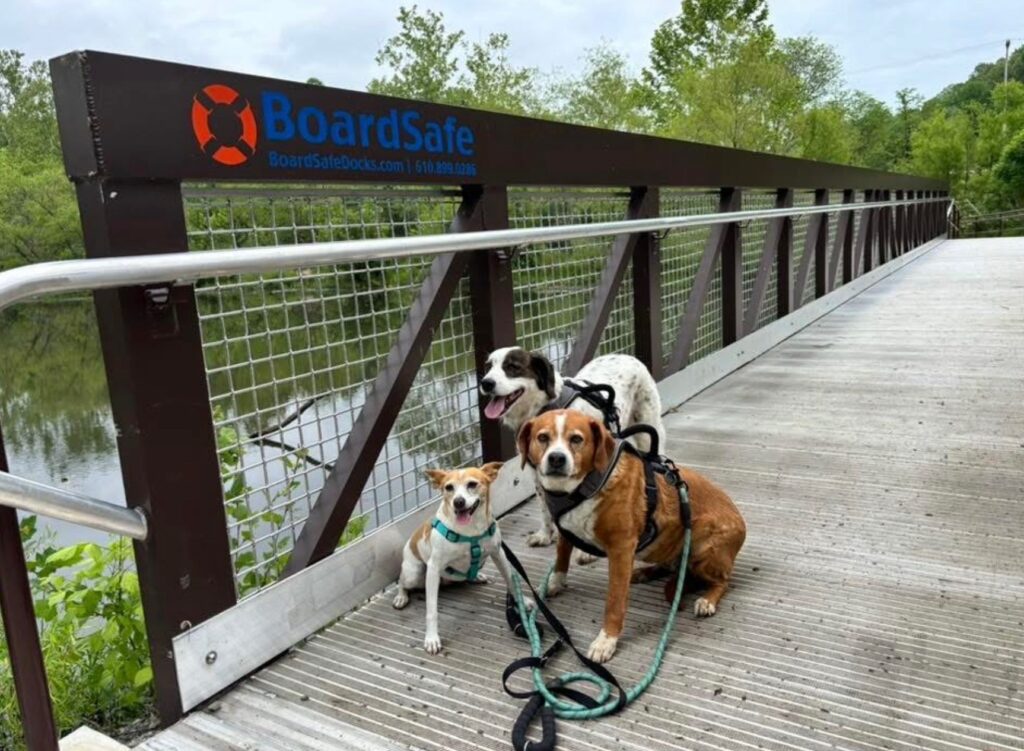
Which Decking Material Is Best for Your Waterfront Project?
There is no single decking material that works best for every waterfront application.
Aluminum provides exceptional durability and low maintenance. Composite offers attractive finishes and reduced upkeep. Ipe delivers natural beauty and strength. Pressure-treated wood provides an economical starting point. Concrete supports certain heavy-duty applications, while flow-through grating offers drainage advantages in wet and flood-prone environments.
The best choice is the one that balances safety, accessibility, structural performance, environmental conditions, maintenance, and long-term value.
Here’s a quick comparison:
| Decking material | Initial cost* | Maintenance | Key advantage |
| Aluminum | High | Low | Durability and long service life |
| Composite | Moderate–High | Low–Moderate | Appearance and reduced upkeep |
| Ipe hardwood | High | Moderate | Natural beauty and strength |
| Pressure-treated wood | Low | Moderate–High | Affordability |
| Concrete | Moderate–High | Low–Moderate | Solid, rigid surface |
| Flow-through grating | Moderate–High | Low–Moderate | Drainage and reduced standing water |
At BoardSafe Docks, we don't simply help customers choose decking. We help them invest in waterfront infrastructure designed to provide safer, easier, and more reliable access to the water for years to come. We educate customers that a quality walking surface will not create a structurally superior gangway, and that’s it’s more important about what you don’t see: Durable decking material is only as dependable as the structure supporting it, and that’s where BoardSafe's engineering, framing, anchoring, and connections set us apart from our competition. However, whatever surface you choose when working with us, we will make it look great!
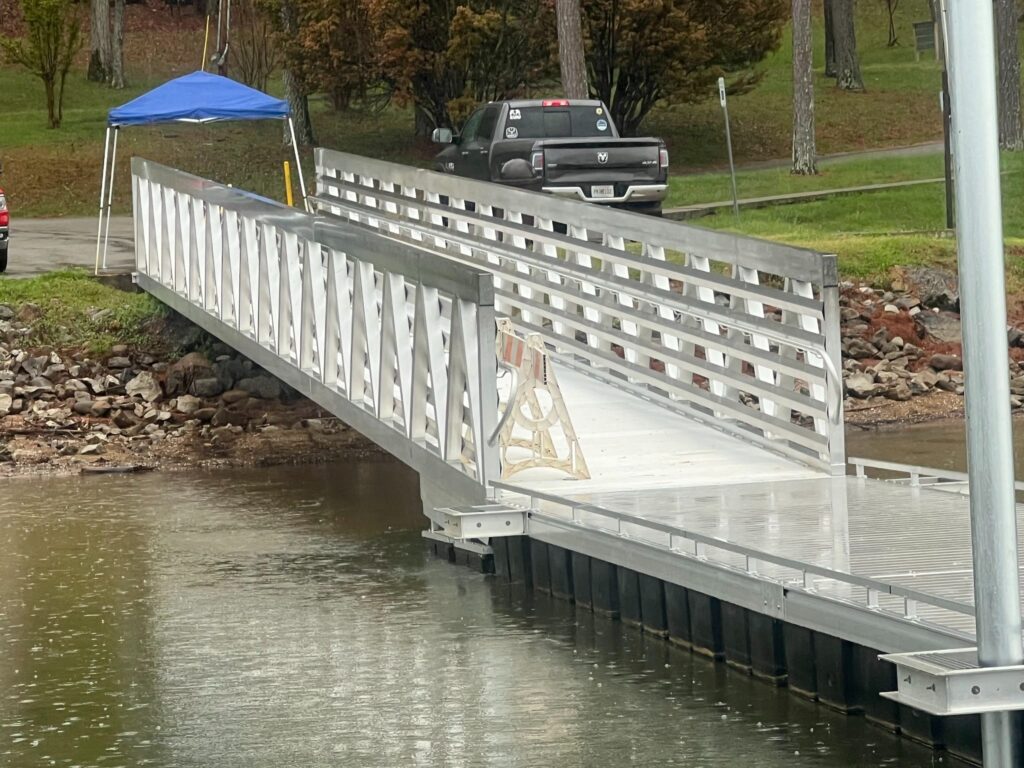
Let’s build a quality system together!
If you have more questions about decking materials, ADA gangway design, pedestrian bridge construction, floating dock systems, accessible fishing piers, adaptive kayak launches, put BoardSafe's marine industry experience and engineering expertise to work for your project. Visit us at BoardSafeDocks.com or call 610-899-0286 to speak with our sales and design team. You’ll be happy you called!
#AccessYourAdventure #WaterfontInfrastructure #ADAGangways #AccessibleBridges #AluminumWeldedDocks
BoardSafe Docks and Creating Ability Present an Option to Make Paddling More Accessible at #NRPA2026
What an amazing week at #NRPA2026! Thank you to everyone who visited our booth to learn more about BoardSafe and HIVE PaddleSports. We had great conversations with parks and recreation teams from all over the country how our waterfront infrastructure provides long-term access for everyone.
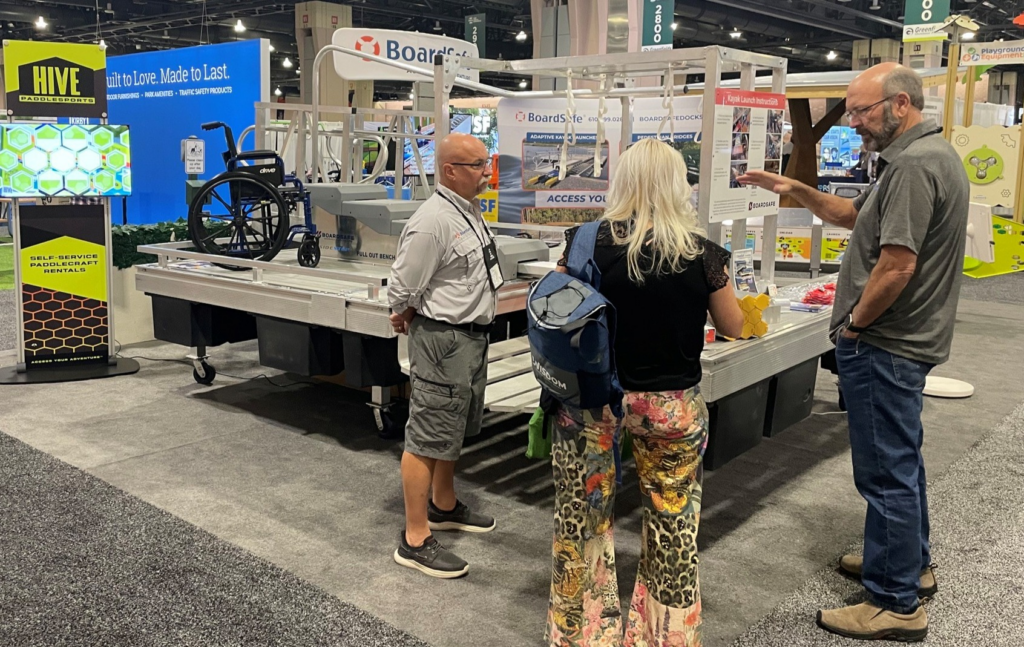
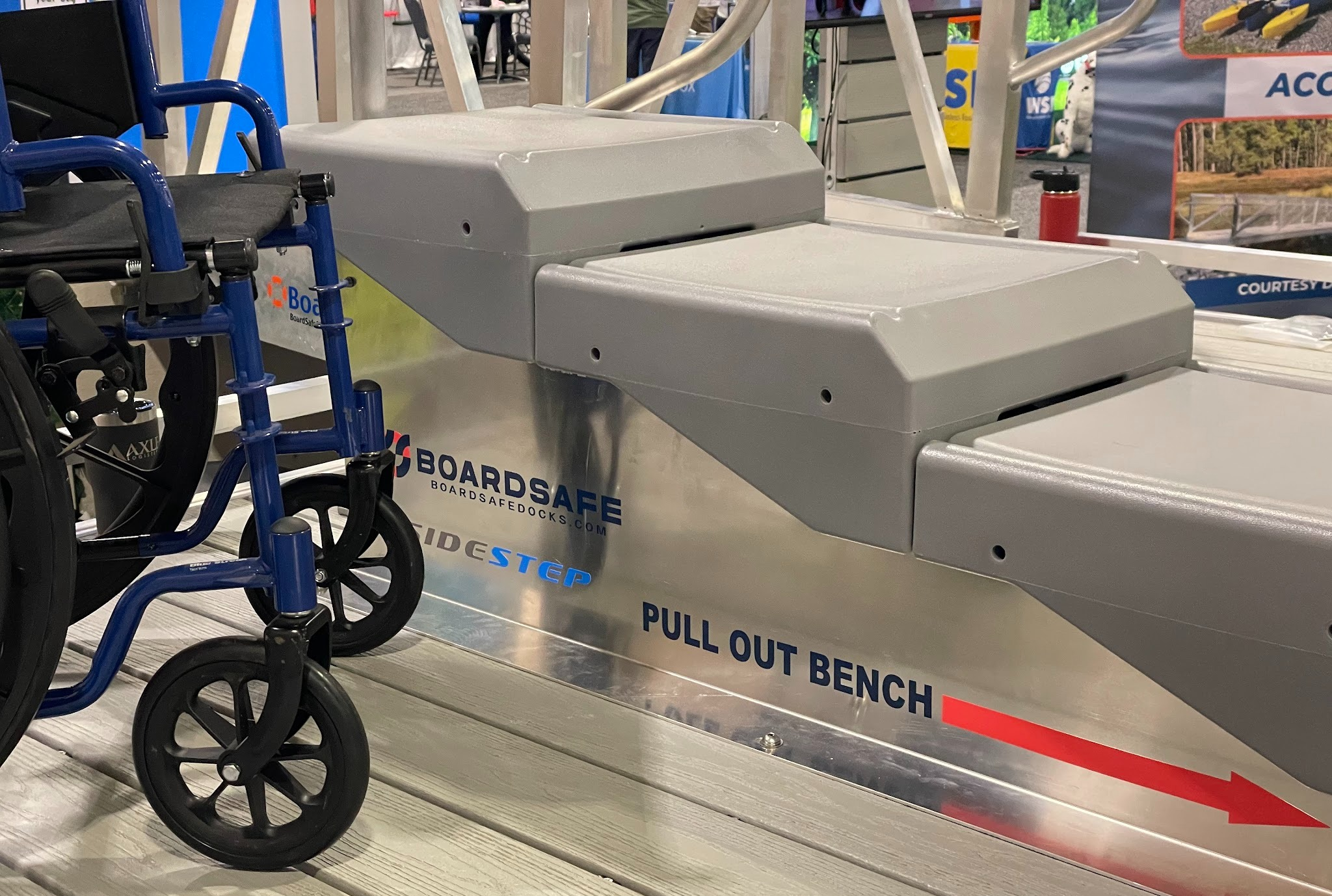
A special thank-you to our partners at @Creating Ability. Seeing the new boarding bench we built together in people's hands (and listening to their feedback) was one of the highlights of the show. Two companies. One shared goal: Making the water more accessible to everyone!
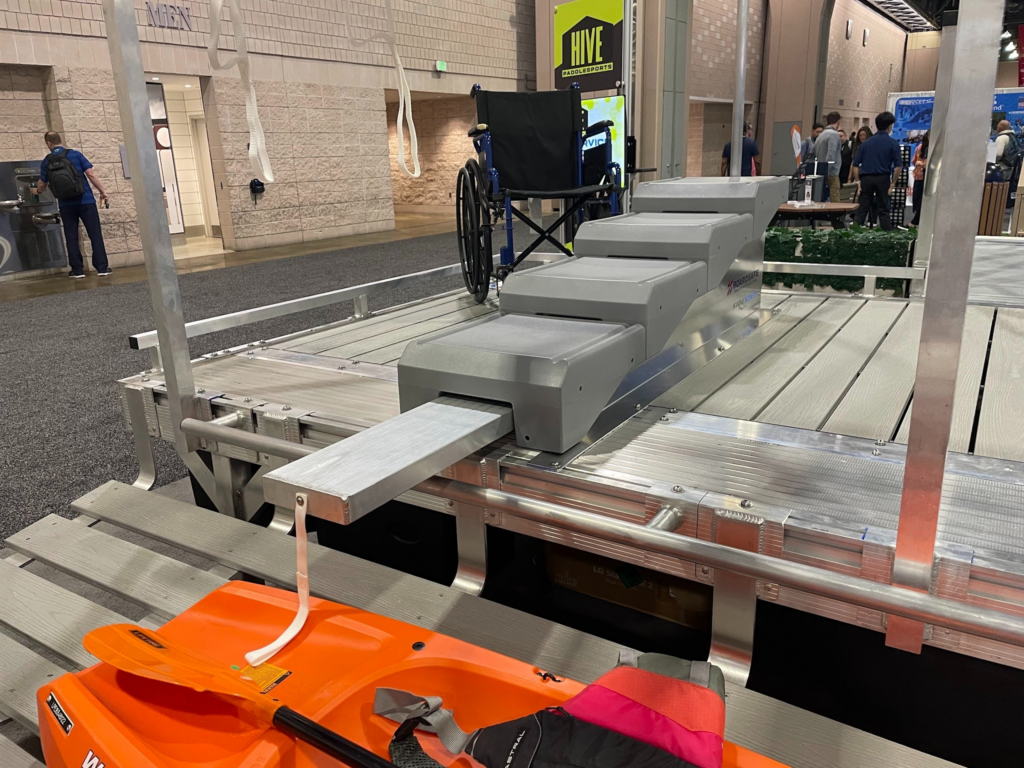
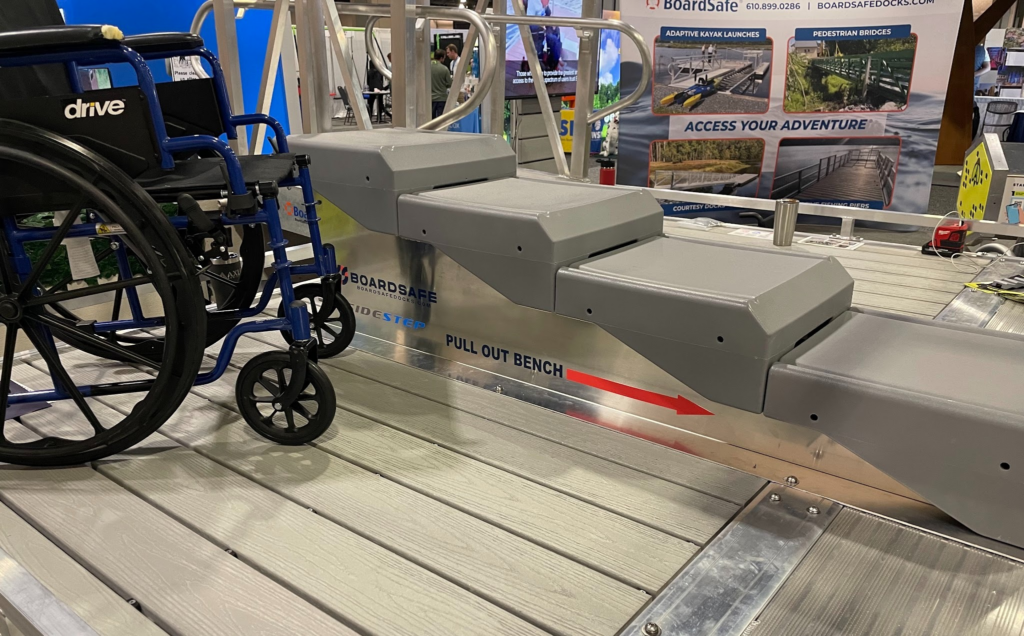
BoardSafe's redesigned boarding bench, includes an improved molded seat from our partner at Creating Ability, while BoardSafe provides the aluminum base to the structure that attaches to BoardSafe’s infrastructure.
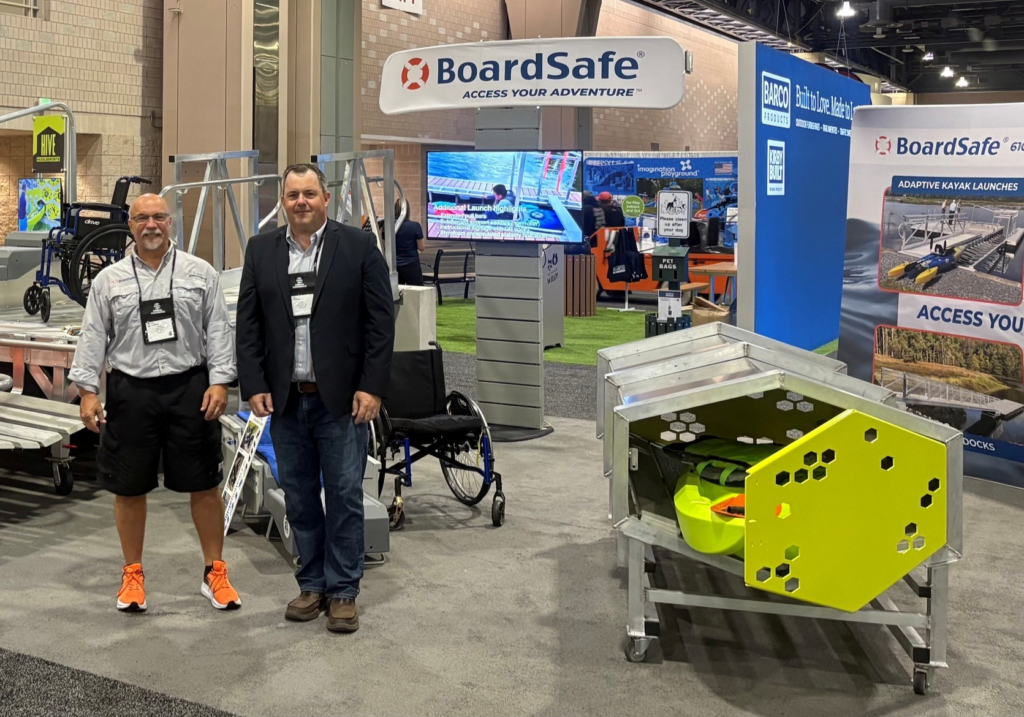
If you missed us in Philadelphia and want to learn more, send us a message [email protected] or [email protected]. Our high traffic, heavy use infrastructure is designed and built for a lasting impact on lakes, rivers and communities looking to provide universal access to all looking to enjoy time on the water. We would love to help you access your adventure.
#AdaptiveRecreation #AccessibleParks #AccessYourAdventure #BoardSafeProvidesTheAccessHiveProvidesTheExperience
BoardSafe and Creating Ability, Collaborating to Make Paddling More Accessible
Collaborating to Make Paddling More Accessible
BoardSafeDocks believes in the details that make a real difference. Our latest collaboration with Creating Ability focuses on the wheelchair-to-kayak transition — a small change to the launch experience that means a lot to the people using it.
Learn more here about our two companies here: Adaptive Kayak Launch - BoardSafe & SideStep – Creating Ability
BoardSafeDocks and Creating Ability have collaborated and modified Creating Ability’s SideStep Bench, a bench designed to help wheelchair users safely move to and from low surfaces. BoardSafeDocks will be using the modified SideStep on their Adaptive Kayak Launch, making it even more accessible to those who need accommodations to enter their kayak.
Here’s a sneak peak of what the new bench looks like:
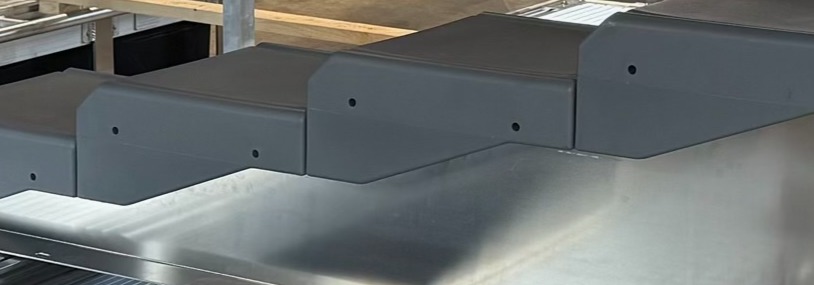
Stop by our booth #2601 at #NRPA2026 to see how the bench works and what the SideStep looks like on our Adaptive Kayak Launch. Meet Scott Tihansky, Tom Warchol, and David Tihansky from BoardSafe Docks, and Kevin Carr from Creating Ability, and see what happens when experience, innovation, and a shared commitment to accessibility come together!
Our collaboration is about removing barriers between people and the water.
Two Companies. One Shared Goal.
BoardSafeDocks helps paddlers access the water with waterfront infrastructure.
Creating Ability designs adaptive paddling equipment for an improved paddling experience.
We look forward to seeing you at Booth #2601 | #NRPA2026 | Philadelphia Convention Center I September 29–30, 2026
@BoardSafeDocks @CreatingAbility @NRPA2026
#AdaptiveRecreation #AccessibleParks #AccessYourAdventure #TransferBench #SideStep
BoardSafe Docks + Creating Ability: Working Together to Make Paddling More Accessible
 Two leaders in adaptive paddling are collaborating on a better way to help paddlers of all abilities get on the water.
For adaptive paddlers, one of the most challenging parts of getting on the water can happen before the paddle ever begins: transferring safely and comfortably from a wheelchair into a kayak.Over the past several months, BoardSafe Docks and Creating Ability have been working together to explore a practical solution designed to make that important transition easier, more comfortable, and more accessible for paddlers of all abilities.
It’s a collaboration that makes sense. BoardSafe Docks has built its Adaptive Kayak Launch around something we believe is essential to good design: listen to the people who actually use it.
BoardSafe's Adaptive Kayak Launch was developed with input from adaptive paddlers, members of the Team River Runner community, recreation and physical therapists, disability advocates, and individuals including Ken Ryno, Bill Bogdan, Robert Amelio Jr., and others, who understand firsthand the challenges of accessing the water.
That input has helped BoardSafe continue to improve an adaptive launch system designed to provide greater independence, stability, and confidence at the water’s edge.
Creating Ability brings another important piece to that experience.
Since 2004, Creating Ability has helped make paddling possible for people with a wide range of abilities through adaptive kayaking equipment, education, demonstrations, and hands-on support. The company provides outfitted adaptive kayaks and specialized paddling equipment designed to help more people experience the freedom and enjoyment of being on the water. Creating Ability has traveled tens of thousands of miles supporting adaptive paddling events, organizations, individuals with disabilities, and their families.
Two Companies. One Shared Goal.
BoardSafe helps paddlers access the water.
Creating Ability helps paddlers adapt the paddling experience.
Now, we're bringing those areas of expertise together to address one of the most important moments in adaptive paddling: the transfer from wheelchair to kayak. And we’re excited to share what we've been working on.
See It at #NRPA2026
BoardSafe Docks and Creating Ability will share Booth #2601 at the 2026 NRPA Annual Conference at the Pennsylvania Convention Center in Philadelphia.
We’ll be in the Exhibit Hall: September 29–30, 2026
Stop by Booth #2601 to meet Scott Tihansky and Tom Warchol from BoardSafe Docks and Kevin Carr from Creating Ability, and see what can happen when experience, innovation, and a shared commitment to accessibility come together.
This collaboration is about more than equipment. It’s about removing barriers between people and the water.
Stop back Monday for another pre-show announcement and a closer look at what we'll be bringing to Philadelphia.
We look forward to seeing you at Booth #2601 | NRPA 2026 | Philadelphia
Riverfront Park: Where Access Meets Experience
BoardSafe Docks + HIVE PaddleSports create a complete waterfront experience on McMinnville’s Barren Fork River.
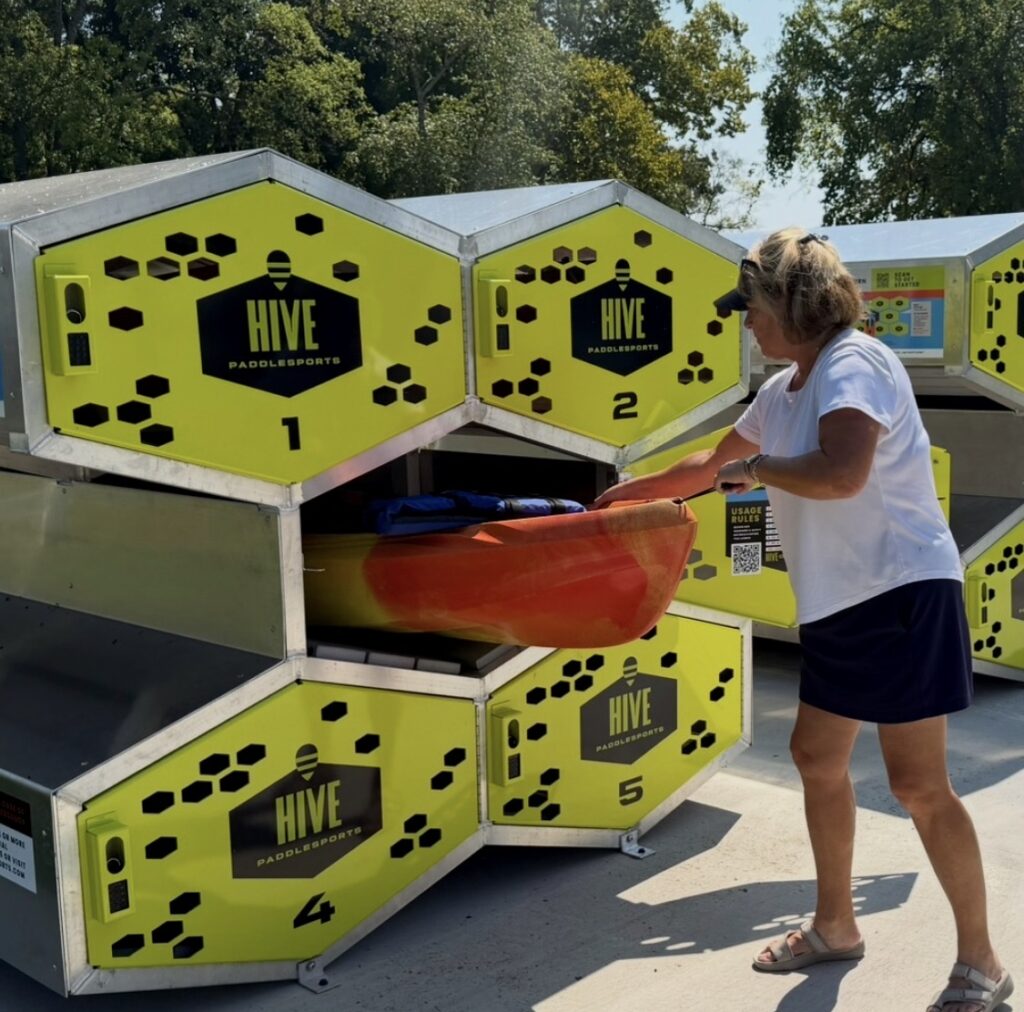
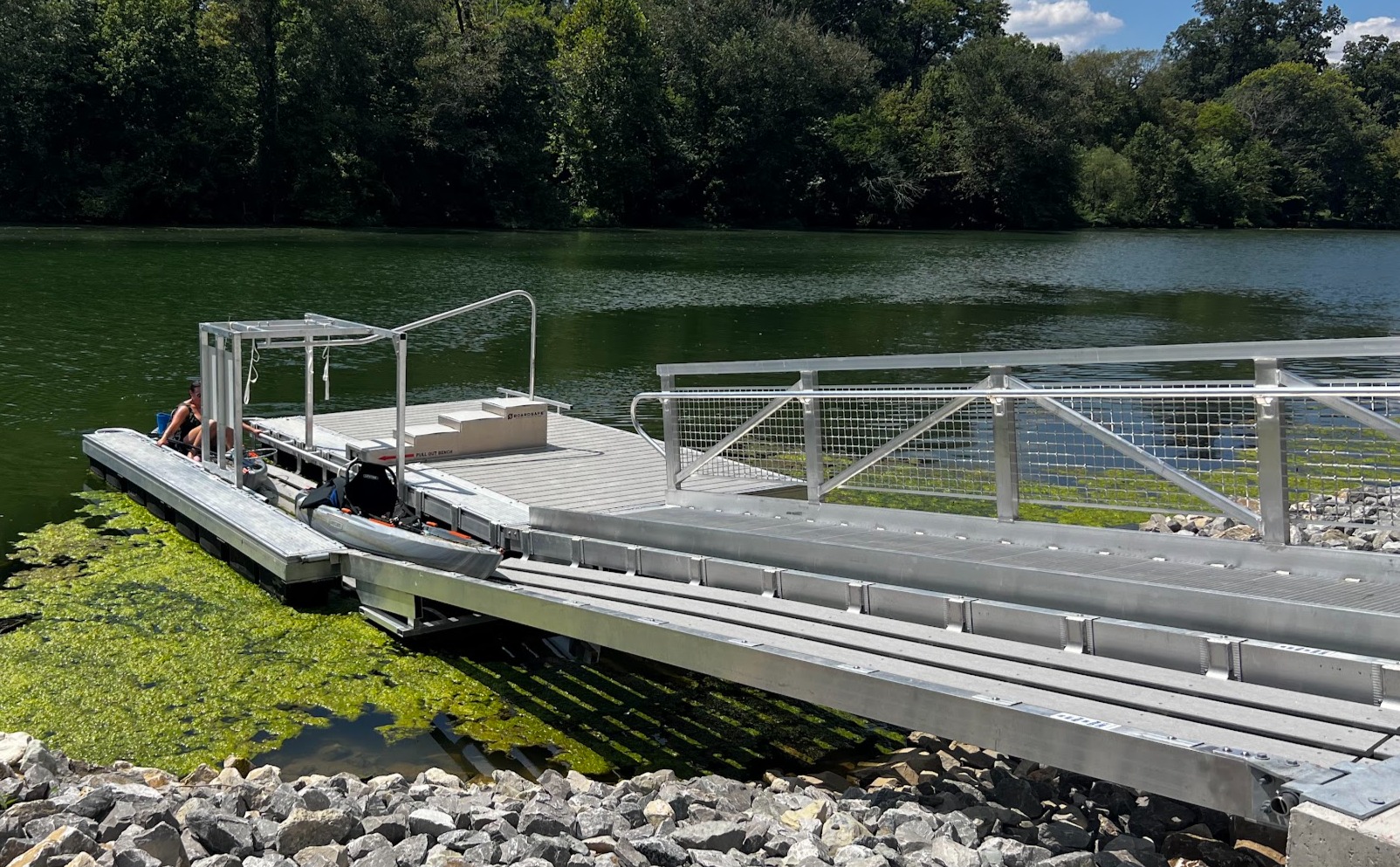
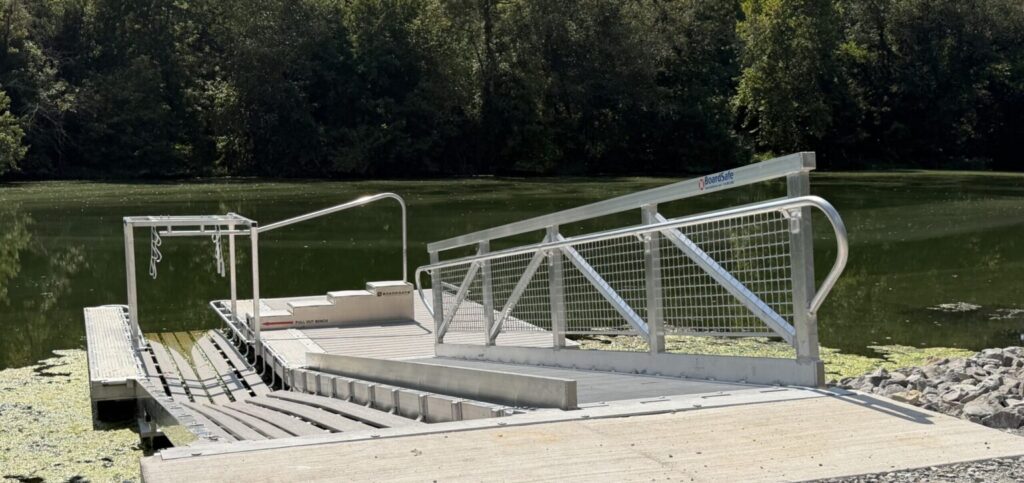
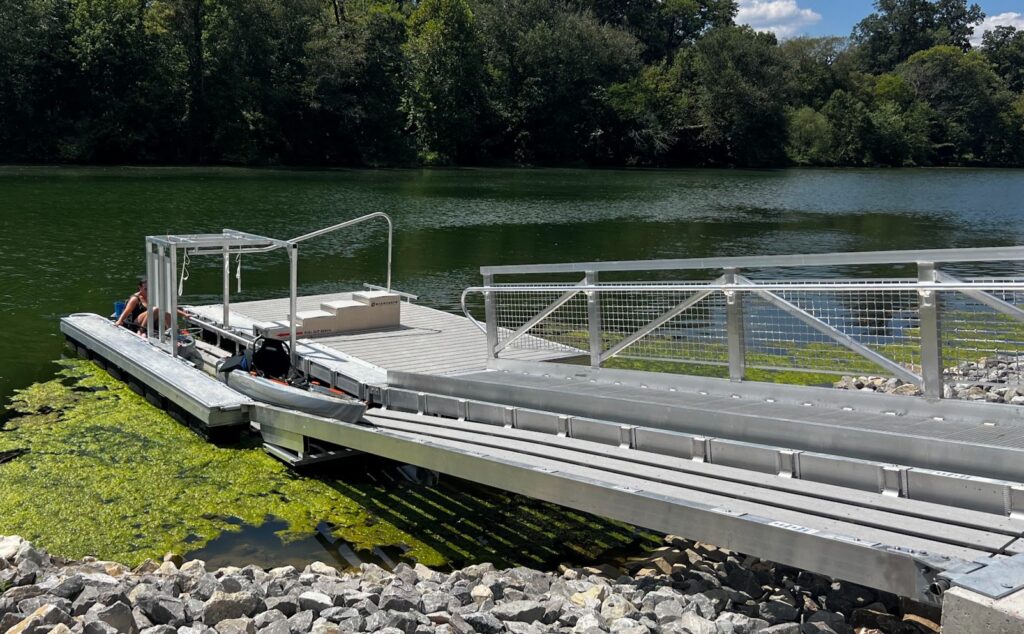
Riverfront Park in McMinnville, Tennessee, recently welcomed two new amenities designed to make getting on the Barren Fork River easier: a BoardSafe Adaptive Kayak Launch and a HIVE PaddleSports self-service paddlecraft rental kiosk.
Together, they address two of the biggest barriers to getting people on the water: easy access to the river and convenient access to the paddlecraft experience.
Located at 120 Riverfront Street, Riverfront Park is already an important community destination, offering parking, restrooms, fishing, a playground, walking trails and access to the Barren Fork Greenway. Improvements to the waterfront, including the BoardSafe launch and HIVE kiosk, add another dimension to the park by making paddling more accessible and convenient for residents and visitors.
Better Access to the Water
A conventional boat ramp or unimproved shoreline may provide access to the river, but that does not necessarily mean it provides easy access for every paddler.
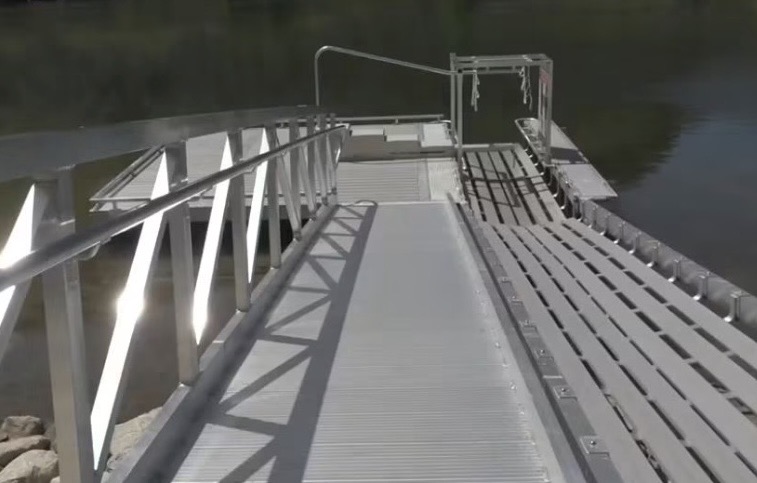
The BoardSafe Adaptive Kayak Launch creates a purpose-built entry and exit point designed specifically for paddling.
BoardSafe's adaptive launch systems were developed with input from adaptive paddlers and incorporate features that can assist people of all abilities; different ages, and experience levels.
It’s more than a place to put a kayak in the water. The result is infrastructure designed around independence, accessibility and a better paddling experience. When access is easier, more people have the opportunity to participate.
HIVE Removes Another Barrier: Getting the Equipment
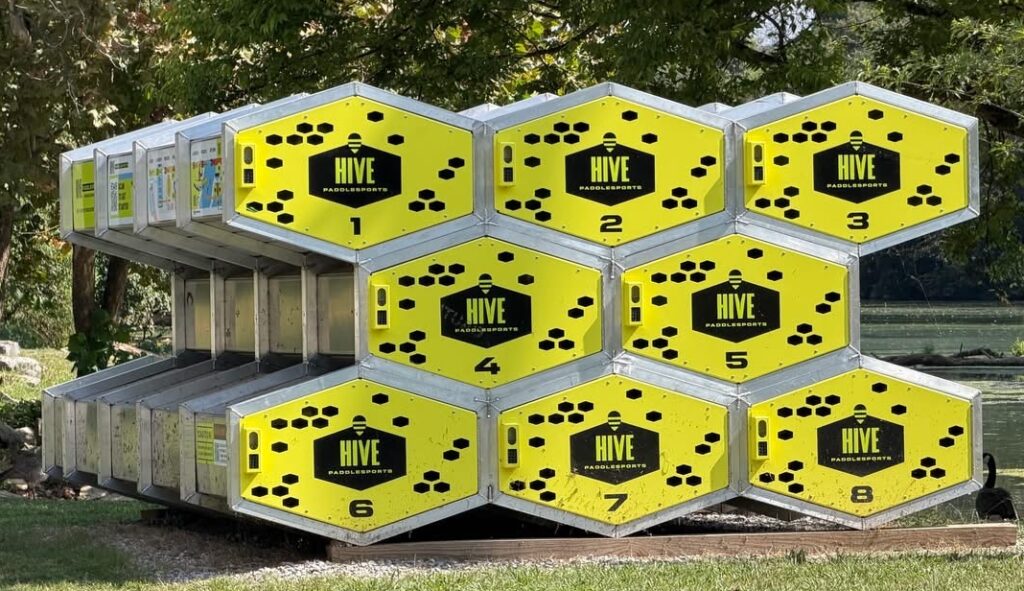
Even the best kayak launch can't help someone get on the water if they don't have a kayak. That's where HIVE PaddleSports makes the Riverfront Park project especially compelling.
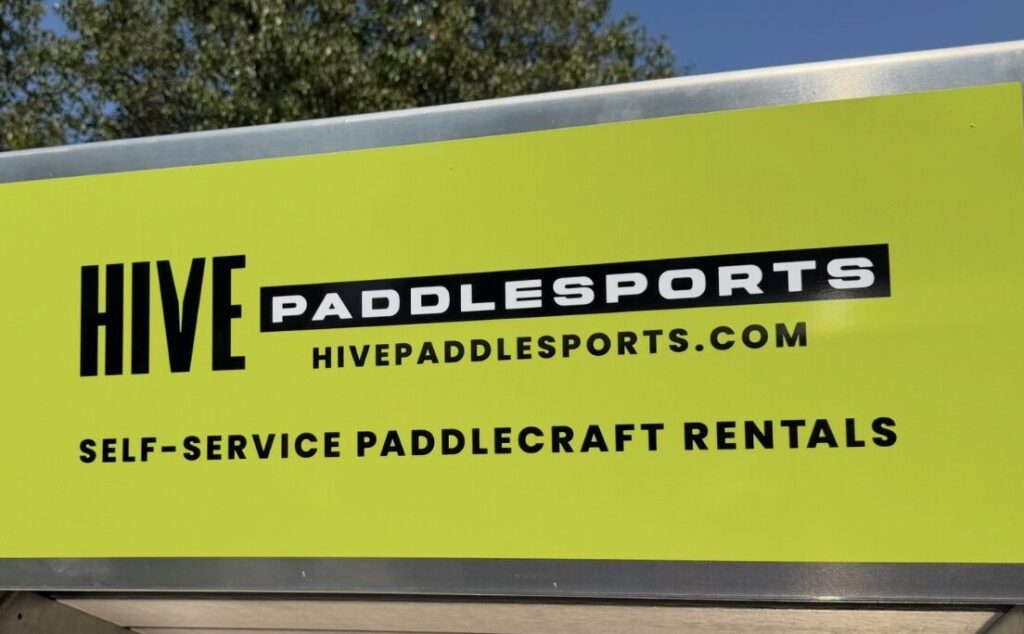
HIVE's self-service paddlecraft rental kiosk is located at the same park, allowing visitors to reserve and unlock paddlecraft using their smartphone. Equipment available through the rental experience includes single and tandem kayaks, paddles, and PFD's with whistles.
There is no need to own a kayak, transport one on a vehicle, find space to store one at home or coordinate with a traditional rental opration.
The paddling experience at Riverfront Park becomes remarkably simple:
ARRIVE → RENT → LAUNCH → PADDLE → RETURN → EXPLORE McMINNVILLE
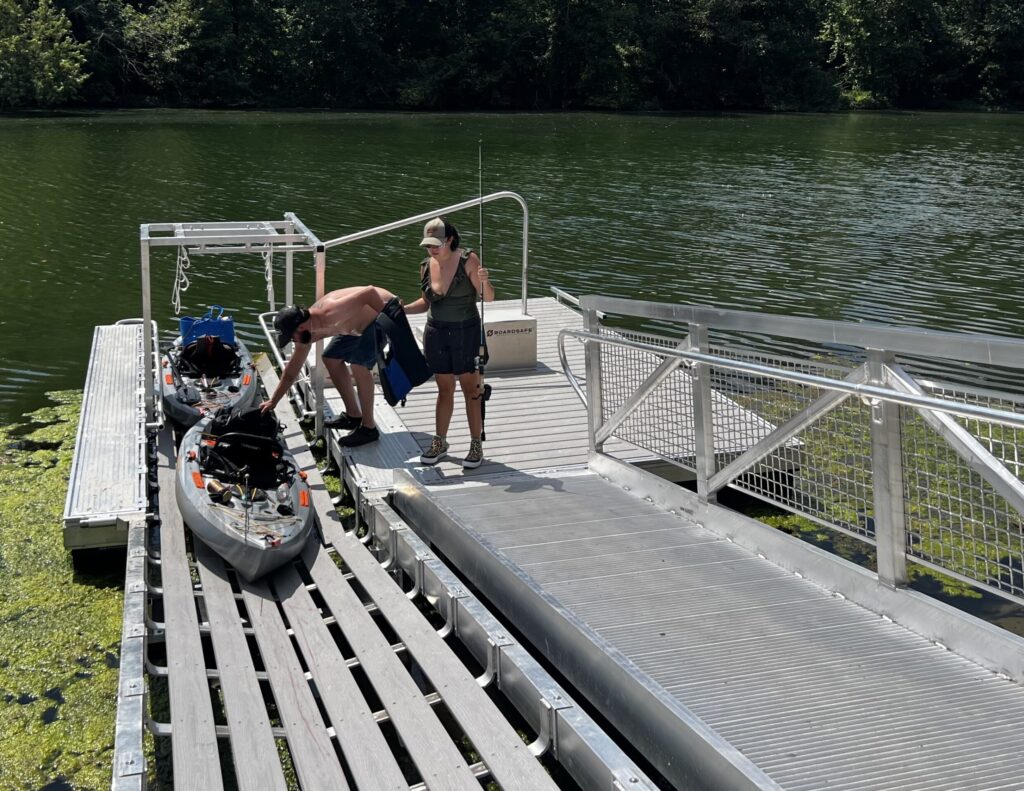
That convenience makes spontaneous recreation possible. A resident can decide to spend an afternoon on the river. A family visiting McMinnville can add paddling to its day. A first-time paddler can experience the Barren Fork without investing in equipment first.
From a Paddle to a Day in McMinnville
The benefits extend beyond Riverfront Park. McMinnville offers coffee shops, restaurants, shopping and other attractions that can turn a few hours on the Barren Fork into a full day in the community.
That connection between outdoor recreation and local tourism is important.
When communities make their natural resources easier to access, rivers become more than scenery. They become recreational destinations capable of attracting residents and visitors while encouraging people to spend more time exploring the surrounding community.
A Complete Waterfront Ecosystem
McMinnville didn't simply add another recreational amenity. It created a more complete pathway to participation.
BoardSafe provides access to the water.
HIVE provides convenient access to the equipment and experience.
Riverfront Park provides the setting.
The Barren Fork River provides the adventure.
Together, those elements broaden the audience beyond experienced paddlers who already own and transport their own equipment.
The experience becomes more approachable for residents, visitors, families, beginners, older adults, and people with mobility challenges, as well as anyone who previously thought paddling required too much equipment, planning or preparation.
No kayak? No problem.
No trailer? No problem.
No roof rack? No problem.
Reserve. Unlock. Launch. Paddle.
That's what makes the Riverfront Park project significant. It isn't simply a kayak launch paired with a rental kiosk.
It's a waterfront recreation ecosystem built around accessibility, convenience and community.
Where Access Meets Experience
BoardSafe Docks and HIVE PaddleSports share a vision for what public waterfront recreation can become when infrastructure and experience are considered together.
BoardSafe provides the access. HIVE provides the experience. McMinnville provides the adventure.
Built for Public Use. Engineered for Generations.
BoardSafe Docks designs, engineers and manufactures commercial waterfront infrastructure for communities and organizations looking for long-term solutions to complex waterfront access challenges.
From accessible kayak launches and floating docks to gangways, fishing piers and pedestrian bridges, BoardSafe approaches each waterfront as a complete system—considering the shoreline, elevation changes, accessibility, intended use and site-specific conditions.
Our capabilities include:
- Project-guided design and site-specific engineering
- Integrated gangway, dock, kayak launch and fishing pier systems
- Adaptive paddling products
- Accessibility expertise
- Solutions for complex shore-to-water transitions
- Pedestrian bridges and floating walkways
- Accessible fishing facilities
- Turnkey project capabilities
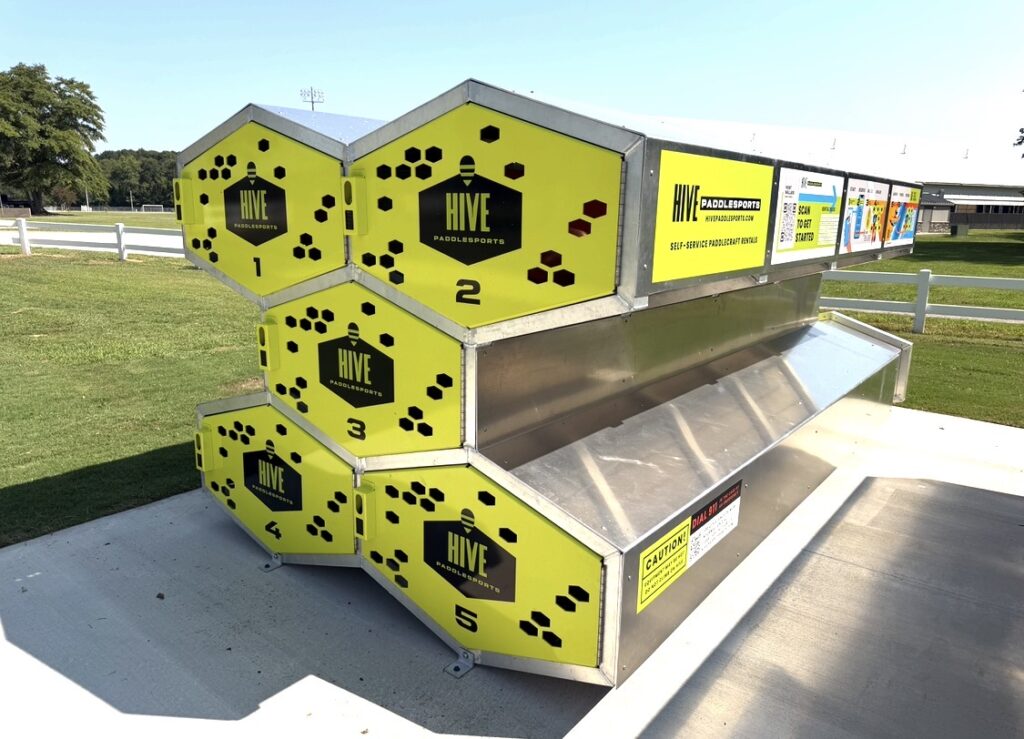
HIVE PaddleSports offers innovative, self service smartphone operated kiosk stations for convenient and effortless paddlecraft rental at waterfront parks. HIVE makes the experience of getting on the water easier and more enjoyable. HIVES structural and durable honeycomb design helps communities make the most out of their waterfront for the long term.
Two companies. One vision for the waterfront. One complete solution. An ecosystem offering access and experience.
#BoardSafeDocks #HIVEPaddleSports #AccessYourAdventure #WaterfrontInfrastructure #AccessibletoAll #UniversalAccess
BoardSafe Provides the Access and HIVE PaddleSports Provides the Experience! #NRPA 2026
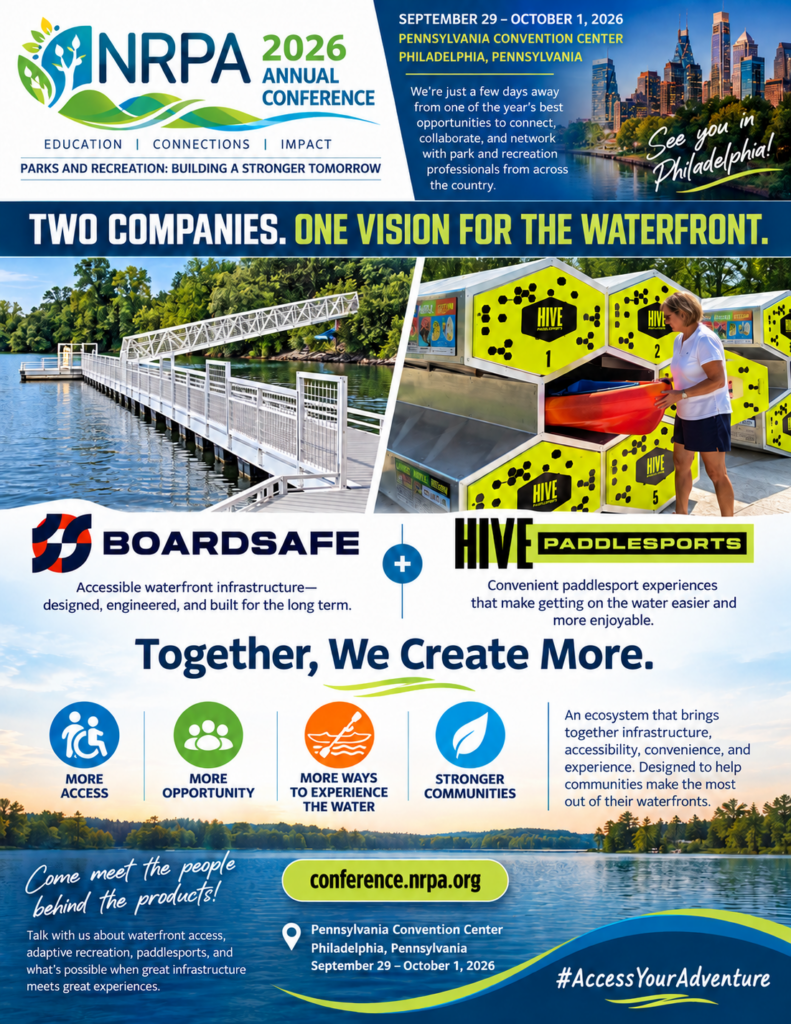
We’re a few days away from one of the year’s best opportunities to connect, collaborate, and network with other park and recreation professionals from across the country.
BoardSafe Docks and HIVE PaddleSports will present an ecosystem that brings together high traffic, heavy use accessible infrastructure, paired with a convenient paddlesport rental kiosk that makes the experience of getting on the water easier and more enjoyable. Their pleasant looking designs help communities make the most out of their waterfront for the long term.
Stop by and meet us in the Exhibit Hall at Booth #2601.
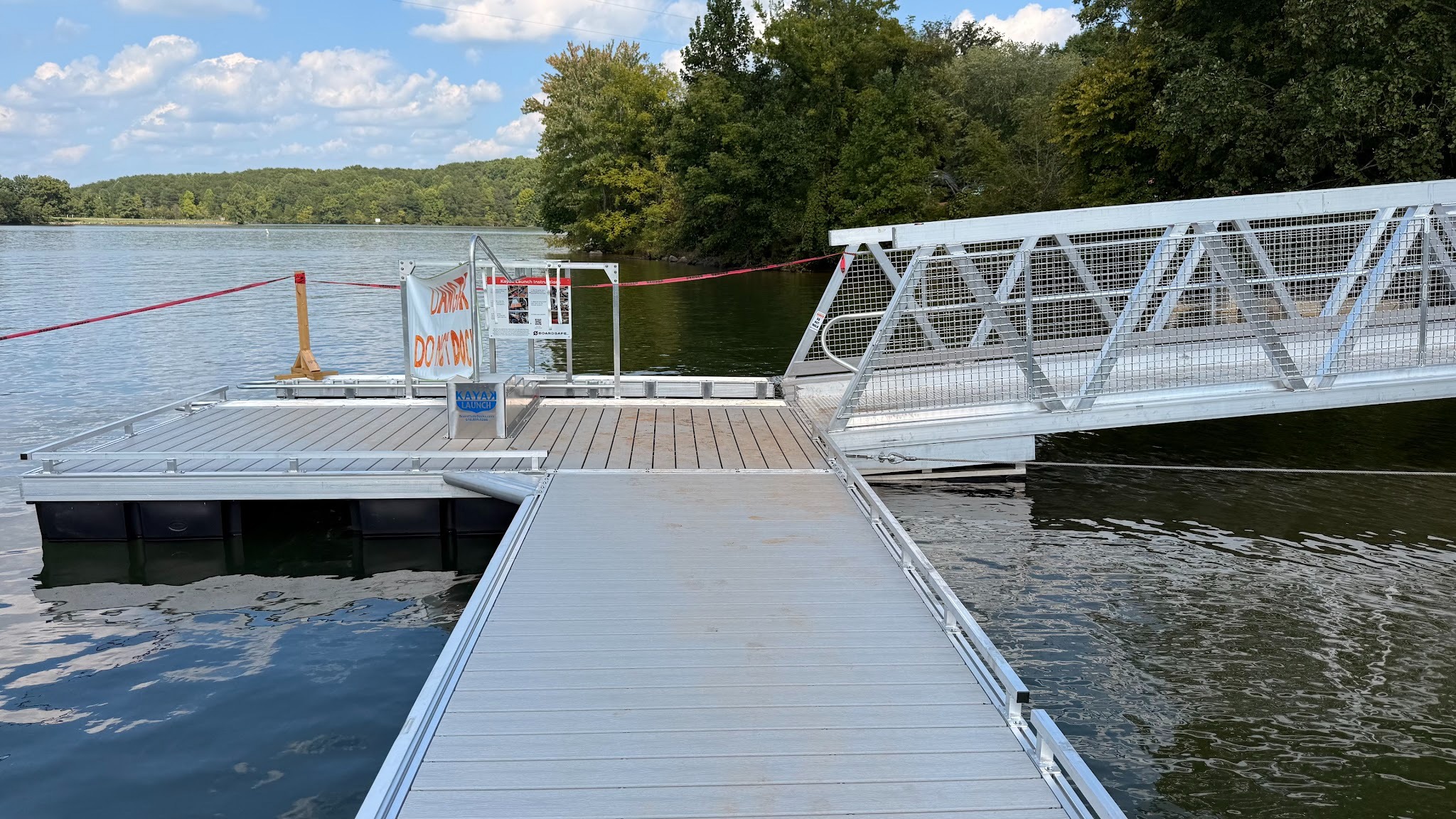
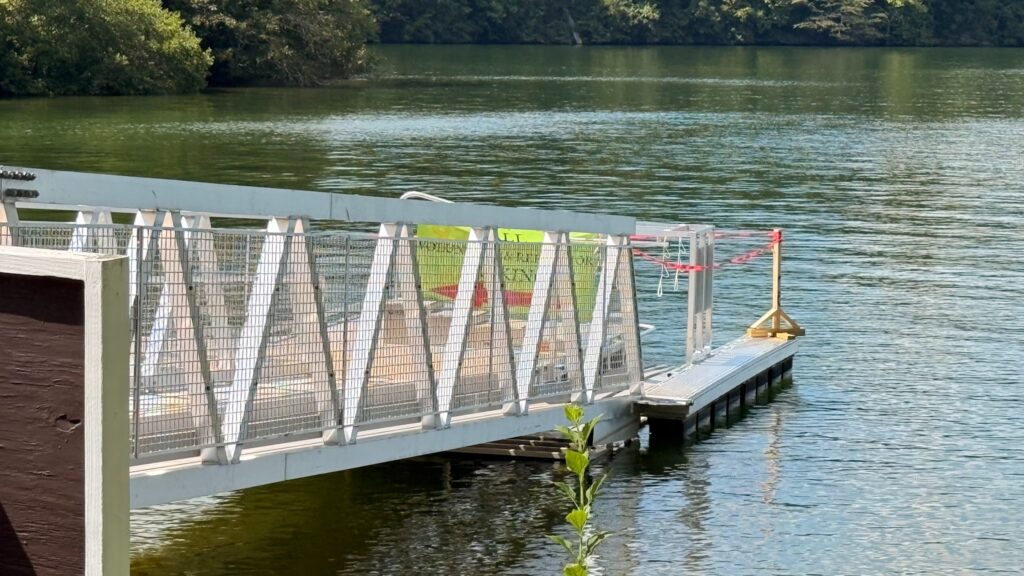
BoardSafe Creates High-Load, Heavy-Traffic, Waterfront Infrastructure at Ft. Loudoun State Park
BoardSafe designed and manufactured another high-load, heavy-traffic, storm-resilient waterfront infrastructure at Ft. Loudoun State Park in Vonore, Tennessee. The system includes an ADA 80-ft commercial gangway, an accessible kayak launch with adaptive features, and a courtesy boat dock that brings universal access to all looking to recreate on the water.
Location & Setting
The dedicated BoardSafe Adaptive Kayak Launch is located at the boat dock within Fort Loudoun State Park in Vonore, Tennessee. Launching from this site provides paddlers with direct, safe access to Tellico Lake in their no-wake zone, and the scenic Island Loop Water Trail, a popular 5-mile paddling loop circling the park's island that features beautiful mountain views and wildlife viewing opportunities.
Inclusive & Accessible Design Features
Manufactured by BoardSafe Docks, this floating dock system offers ADA-featured infrastructure specifically engineered to provide safe water access for paddlers of all abilities, including wheelchair users, seniors, children, and individuals with lower-body paralysis or limited mobility. The universal access features include:
- 1:12 Sloped Gangway: Features a gentle, ADA-compliant slope equipped with continuous handrails and a built-in toe-kick safety edge for wheelchairs.
- Tiered Boarding Bench: Offers a wheelchair-height boarding bench with a specialized pull-out seat. This allows users to safely transfer themselves laterally over the kayak cockpit in a controlled manner.
- Overhead Roll Cage & Grab Bars: Provides a heavy-duty frame with varied overhead grab bar and hand straps that offer crucial upper-body leverage for entering and exiting the watercraft safely.
- Stabilizing Chute & Cradle: Includes a non-roller kayak saddle/chute that locks the vessel perfectly level and secure, completely preventing it from tipping or sliding during transfer.
- An 8x80-ft gangway and chute is secured to land at a poured-in-place concrete foundation. An 80-ft support arm offers additional security during storms, flooding or a change in water level.
- Three floating dock sections consist of one - 8 x 12 floating dock, and two - 12 x 20-ft floating dock sections, that serve as courtesy boat docks to local boaters and fisherman. The dock comes with a 16” freeboard for ease of use.
Lake Features:
Tellico Lake has 357 miles of shoreline and 15,560 acres of water. It offers a tranquil escape for those seeking a scenic and intimate experience in the heart of the Appalachian Mountains.
Fort Loudoun Historic State Park, located just 37 miles south of Knoxville, offers a surprisingly fun and unique day for a family outing.
At this Tennessee State Park, you get to enjoy one of the most beautiful waterfront settings on the shores of East Tennessee’s Tellico Lake and explore a reconstructed 18th-century British fort.
Children love the opportunity to run through the re-created walls of an actual fort and learn a bit of history along the way. Kayak and SUP rentals are available in season from the park’s Visitor Center.
History of the Park
Fort Loudoun State Historic Park has a lot to discover. It’s part of an 853-acre historical site nestled on the shores of Tellico Lake. Visitors may step back in time and explore a meticulously reconstructed 18th-century British fort, offering a glimpse into the French and Indian War era. On land, park guests may hike scenic trails, enjoy a picnic with breathtaking views, and become part of living history through reenactments and interpretive programs.
Plan your visit: The park address is: Fort Loudoun State Historical Park, 338 Fort Loudoun Road, Vonore, TN 37885.
BoardSafe Docks has helped the state of Tennessee make major strides in accessibility to the water with its adaptive kayak launches, accessible fishing piers, courtesy boat docks, gangways and pedestrian bridges. We hope you’ll get out there and enjoy the access to Tennessee’s beautiful sites, its history and enjoy your time on the water.
Contact us for more information at 610-899-0286 or through our website at BoardSafeDocks.com.
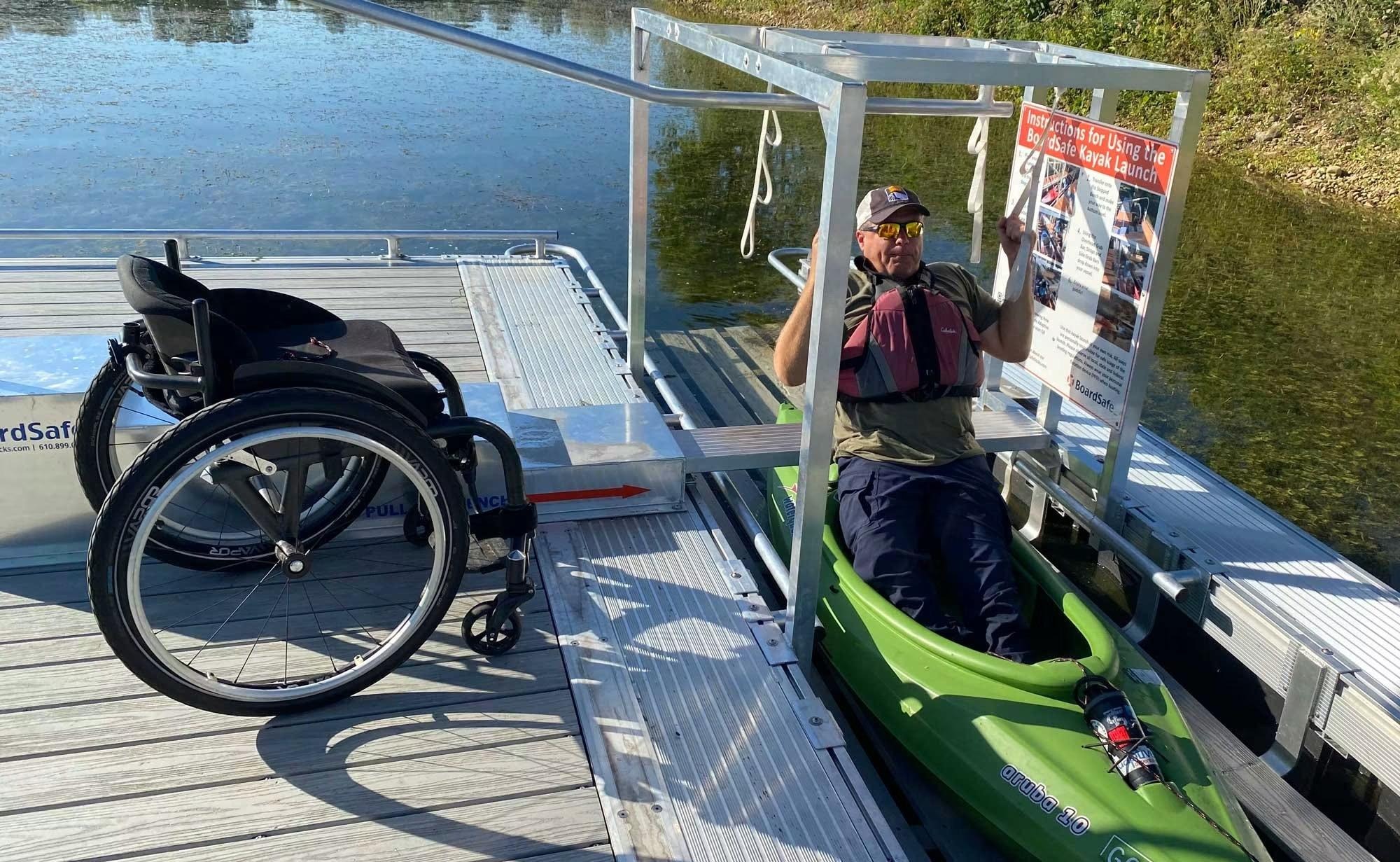
Accessible Kayak Launches: A 25-Year Comparison on the Total Cost of Ownership
Too often, the purchase price of a commercial kayak launch is treated as a single line item on one year’s budget.
However, a public kayak launch isn’t a one-year purchase. It’s waterfront infrastructure. If you want a true return on your investment, look beyond the initial bid price and consider the total cost of ownership over 25 years or more—including maintenance, repairs, replacement, downtime, and how the launch performs during storms, floods, hurricanes, ice, and years of daily public use.
The Lowest Bid Isn’t Always the Lowest Cost of Ownership
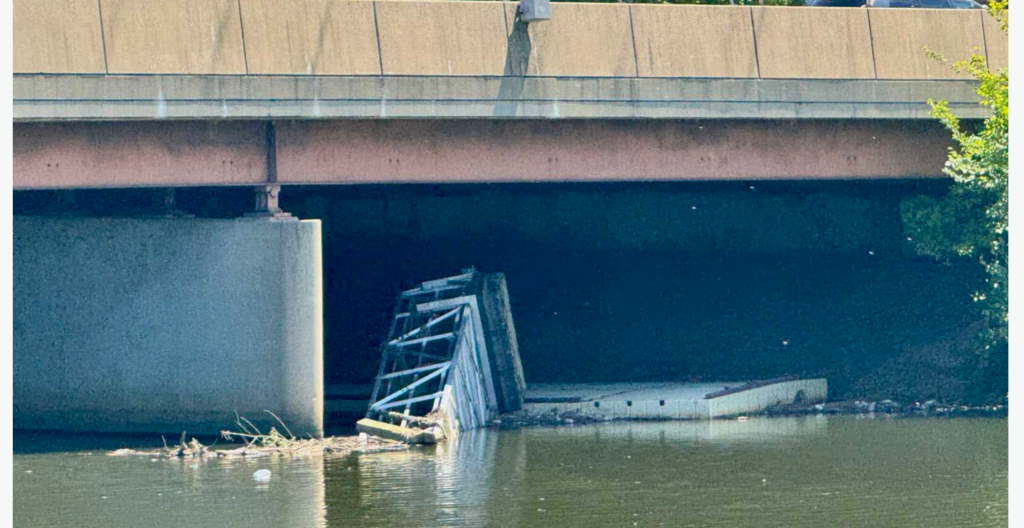
A lower-priced launch may save money upfront, but if it isn't engineered for the conditions it will face, those initial savings can disappear quickly.
When a floating launch fails, the cost goes far beyond the structure itself. Emergency removal, repairs, replacement, reinstallation, engineering, and lost public access can quickly turn a low initial bid into a much higher long-term expense.
And there is another cost that doesn't always appear on a budget sheet: downtime.
A launch that is closed for weeks—or an entire season—because of a failure isn't providing access to the community it was built to serve.
25-Year Cost Driver Comparison
| Cost driver comparison | Engineered to last 25+ years | Chosen on lowest bid |
| Upfront price | Higher line item, once | Lower line item |
| Expected service life | 25+ years by design | Often under 10 years in demanding water and depending on use |
| Storm & hurricane survival | Engineered to stay put and stay whole | Not engineered for extreme events |
| Replacement cycle | None planned within the horizon | One or more replacements likely |
| Repairs & maintenance | Routine, predictable | Escalating; fasteners, floats, connections |
| Downtime & lost access | Minimal | Weeks or seasons of closure after a failure |
| 25-year total cost | Lowest — one structure that lasts | Highest — repeat purchases plus cleanup and maintenance |
The question isn't simply, "What does the launch cost today?"
The better question is:
"What will this launch cost our community over the next 25 years?"
Hurricane Ian: BoardSafe’s Real-World Test
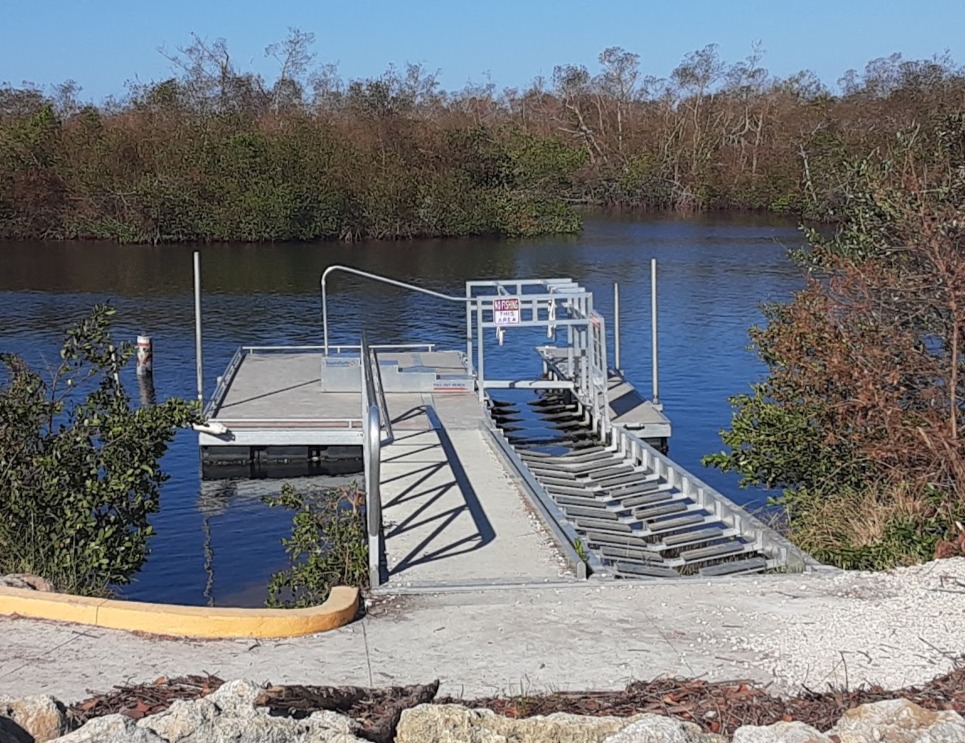 BoardSafe's Sirenia Vista Kayak Launch Survives Hurricane Ian
BoardSafe has a real-world example of why engineering matters.
The two BoardSafe Adaptive Kayak Launches at Sirenia Vista Park and Saratoga Lake Park in Cape Coral, Florida, remained in place and intact during the extreme flooding and approximately 150-mph hurricane-force winds associated with Hurricane Ian in 2022.
The launches were engineered to rise and fall with changing water levels while staying connected to the shoreline. At the bulkhead, the mounting angle was a critical part of that design.
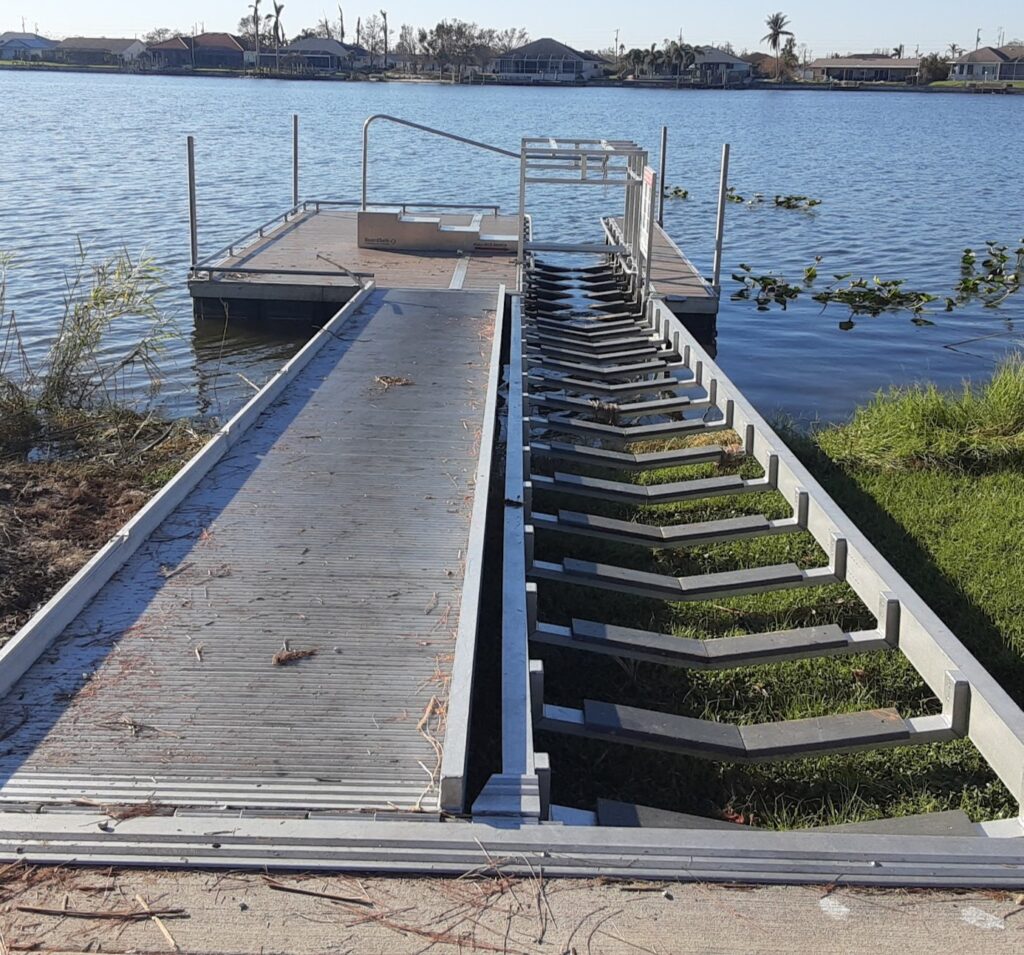 BoardSafe's Saratoga Lake Kayak Launch survives Hurricane Ian
The surrounding destruction demonstrated just how extreme the conditions were. Hurricane-force winds near Matlacha were recorded at approximately 150 mph. Homes and businesses were destroyed, marinas were devastated, and the main bridge into Matlacha—approximately 1.2 miles from Sirenia Vista Park along the same canal—was swept away. Yet our BoardSafe kayak launch remained in place and intact.
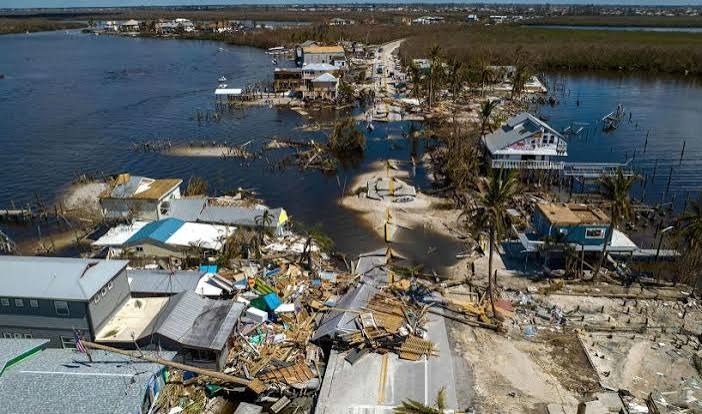 We were surprised when Christopher Camp, the Engineer from the City of Cape Coral involved in these projects, sent us photographs of our launches still intact following the Category 4 hurricane, when so much of the surrounding waterfront was destroyed by the magnitude of the storm.
It was a devastating and tragic event for many people, but the experience provided an unexpected real-world test of the structural integrity and engineering behind our BoardSafe launches.
Today, these two kayak launches continue to provide universal access to the water and remain valued community park resources and infrastructure.
That's the kind of performance that matters when you're thinking beyond the first year's budget.
How Is the Launch Designed for the Site?
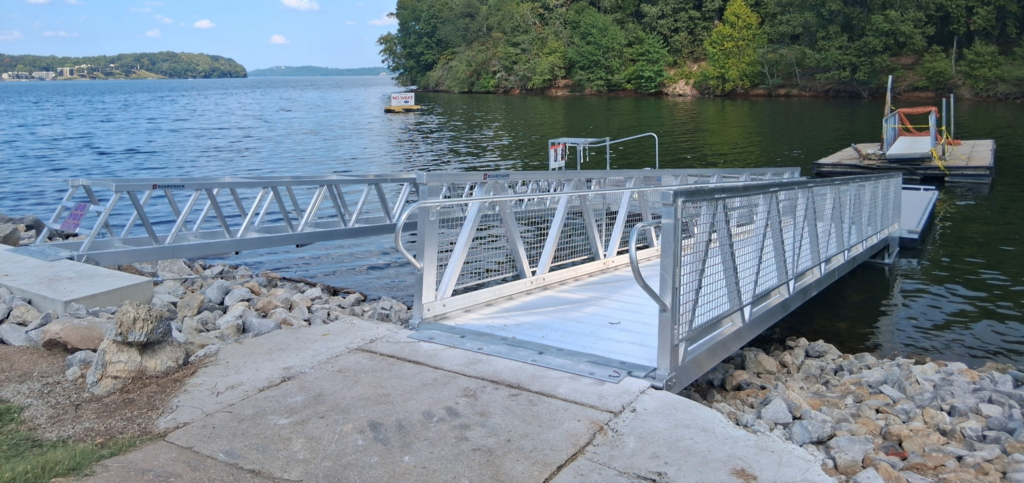
Long-term performance begins with site-specific engineering.
Every waterfront is different. Shoreline conditions, bulkheads, water-level fluctuations, waves, currents, flooding, flotation, structural loads, and shoreline connections all need to be considered when designing a floating launch.
For sites with a bulkhead, the shoreline mounting angle can be one of the most important details in the entire system.
A floating launch is only as reliable as its connection to shore.
BoardSafe's engineered stiff arm provides a second stabilizing connection between the floating structure and the shoreline. Properly engineered, it creates a strong, rigid link to the bulkhead while still allowing the dock to rise and fall with changing water levels.
This connection helps transfer forces created by current, waves, rising water, and the weight of the structure back into the shoreline rather than allowing those forces to accumulate within the floating system.
It's a small detail that can make a very big difference in structural integrity and durability.
How Is the Launch Designed for the People Who Will Use It?
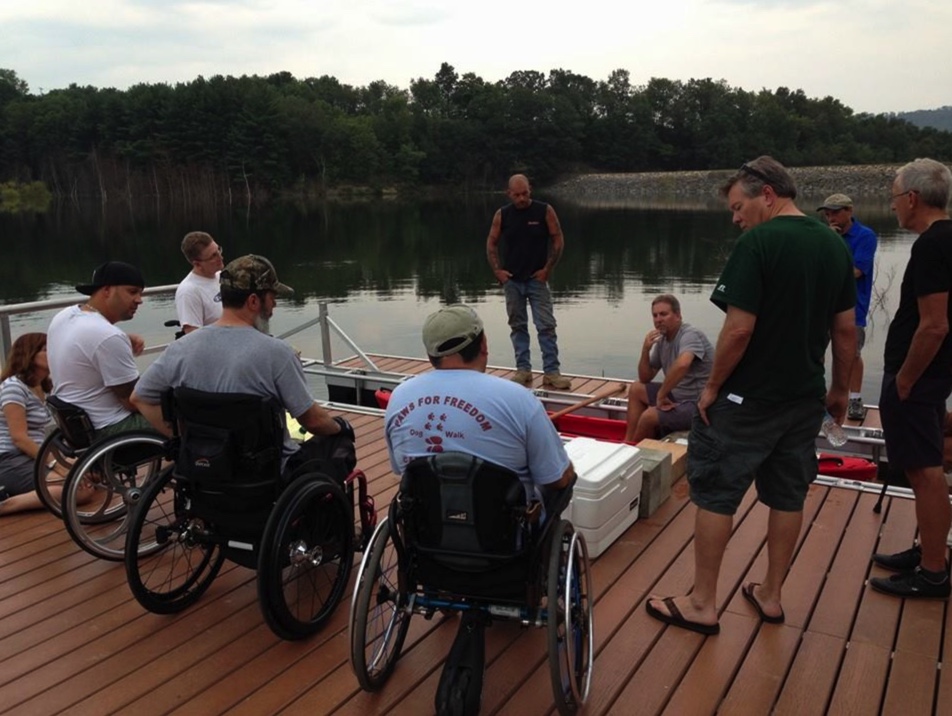 Long-term community value comes from creating infrastructure that actually works for the people it is intended to serve.
Accessibility is more than checking the ADA box.
BoardSafe's Adaptive Kayak Launch was developed with input and collaboration from adaptive paddlers, recreation therapists, disability advocates, and physical therapists. The system has been used and evaluated during adaptive paddling events, helping identify the features that can make the difference between simply reaching the water and being able to independently and confidently access it.
True accessibility means removing barriers—not simply meeting minimum requirements.
Watch here: The Most Accessible Adaptive Kayak Launch
Access should create opportunity, dignity, independence, and a reason to return to the water.
The Right Questions to Ask Before You Buy
When evaluating an accessible floating kayak launch, don't just ask:
What does it cost? Ask these questions:
- How is it engineered for this specific site?
- How is it connected to the shoreline?
- What is its expected service life?
- What maintenance will it require?
- How is it designed to handle storms, floods, changing water levels, and other site conditions? It’s reasonable to ask for picture and video references too.
- What happens if the launch is damaged or becomes unusable?
- Were the accessibility features designed with the people who will actually use them?
- What is the expected total cost of ownership over 25 years?
These are fair questions to ask when investing public dollars in waterfront infrastructure.
Think Beyond the Bid
Because the real value of a kayak launch isn't determined by its line item cost on the day you buy it. It's determined by what that infrastructure continues to provide year after year—in accessibility, safety, reliability, durability, and meaningful community value.
BoardSafe Docks designs, engineers, and manufactures accessible waterfront infrastructure for site-specific conditions—from adaptive kayak launches and accessible fishing piers to ADA gangways, courtesy docks, pedestrian bridges, rowing docks, and more.
BoardSafe connects people to the water and would love to help you get there too.
When you're planning waterfront infrastructure with a 25-year perspective, start with the right questions—not simply the lowest bid.
Because the best investment isn't necessarily the one that costs less today.
It's the one that continues to work tomorrow, and next year, and decades from now.
BoardSafe Docks — Access Your Adventure.
BoardSafeDocks.com
610-899-0286
#AccessYourAdventure #AdaptiveKayakLaunch #AccessiblePaddling #UniversalAccess #WaterfrontInfrastructure #AdaptiveRecreation
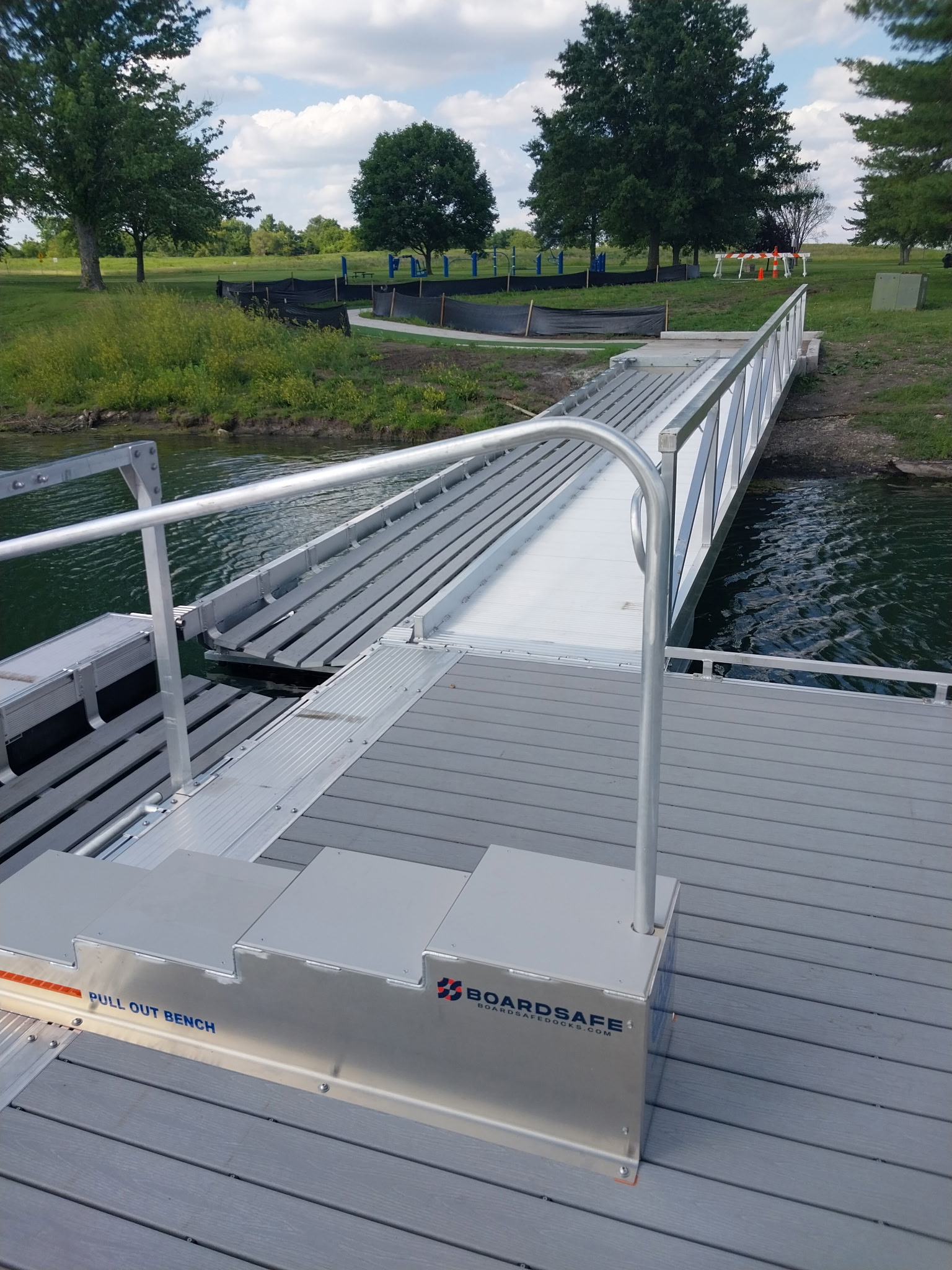
What You Need to Know Before Buying a Floating Kayak Launch
What You Need to Know Before Buying a Floating Kayak Launch
A floating kayak launch is public infrastructure that floats. When one breaks loose during a storm, it's seldom bad luck. The failure almost always occurs in the connection between the floating structure and its shoreline.
That's why one of the most important questions to ask before you buy is simple: How is the dock engineered and connected to the shoreline?
THE MOST IMPORTANT CONNECTION: THE BULKHEAD MOUNTING ANGLE
A floating dock has to do two things at once. It must rise and fall as the water levels change, and it must stay firmly attached to the fixed shoreline. BoardSafe's engineered bulkhead mounting angle makes both possible. Our metal bracket securely ties the floating dock to its foundation for a lasting connection.
When properly engineered, the bulkhead mounting angle creates a strong, rigid link between the dock and the bulkhead while still letting the dock move up and down with the water. It carries the forces created by current, waves, rising water, and the weight of the structure back into the solid shoreline, instead of letting those forces build up in the dock itself.
That's fundamentally different from relying on a chain-and-anchor system, simple anchor poles, or other methods that hold the dock in place mainly through weight or friction.
Simply put, flotation makes a dock float, but the bulkhead mounting angle - a floating dock's connection to the shoreline - keeps the system where it belongs.
This distinction matters most on rivers, tidal waterways, and anywhere the water level and current can change quickly and dramatically.
 A new launch washed away in its first flood
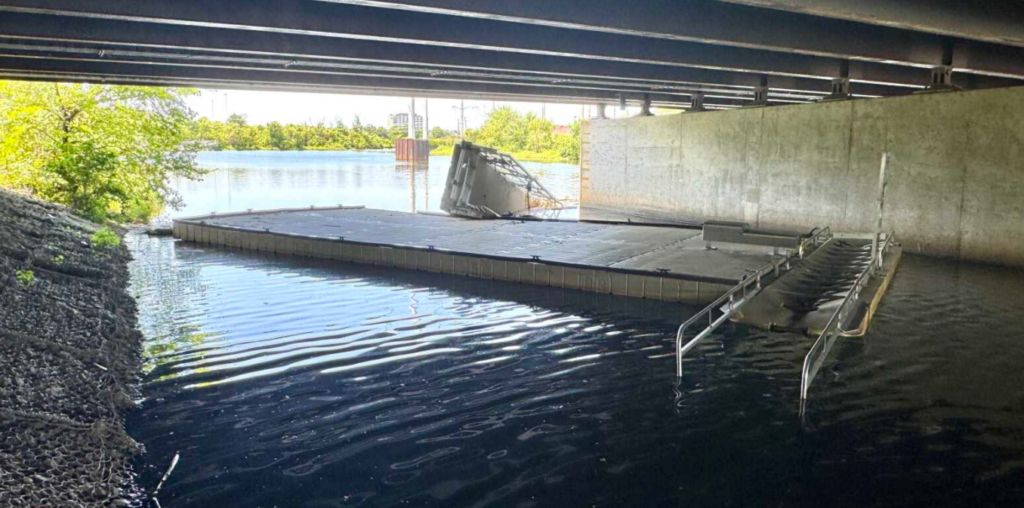 A new launch washed away in its first flood
WHAT CAN GO WRONG
- The shoreline connection fails. A connection that wasn't properly engineered can pull apart when the water rises and the loads increase.
- The structure twists and flexes. Bolted or modular systems are more prone to movement, which loosens fasteners over time and can lead to sections separating under repeated loading.
- The launch can't keep up with changing water levels. A well-designed floating system rises and falls with the water rather than fighting against it.
- Accessibility breaks down. An accessible launch has to keep a safe, usable path from shore to water across the full range of expected water levels.
Lake Chickamauga, TN BoardSafe Kayak Launch secured by Bulkhead Mounting Angle and Stiff Arm
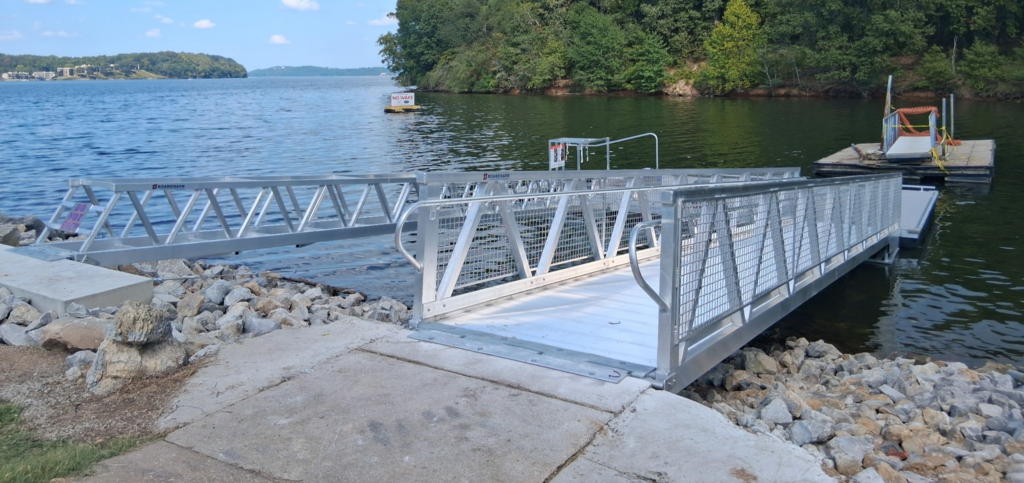 Lake Chickamauga, TN BoardSafe Kayak Launch secured by Bulkhead Mounting Angle and Stiff Arm
1. How is the dock connected to the shoreline?
Ask specifically about the bulkhead mounting angle, or whatever engineered shoreline connection the site calls for.
- Is the connection designed for the site's flood stage and current?
- Is it engineered to let the dock move up and down with the water?
- Has it been structurally engineered for your actual bulkhead and site conditions?
- Are drawings and load calculations available?
What you want to see: a rigid, engineered connection designed specifically for your site.
What should concern you: a generic anchoring system with little or no site-specific engineering.
2. Is the structure welded or bolted together?
A continuously welded aluminum frame behaves as one rigid unit, built to handle repeated loading from users, current, and changing water conditions. Ask for the rated occupant and load capacity — and ask how those ratings were determined.
3. Is the flotation properly engineered?
Floats should be sized and positioned for the dock's dimensions, the number of people it will carry, and how it will be used. When occupied, the launch should stay stable and keep enough of the deck above the water — its freeboard — including during transfers for paddlers using wheelchairs.
4. Does accessibility still work as the water level changes?
An accessible launch is more than a ramp and a transfer bench. The entire path — from shore, down the gangway (the ramp that connects land to the floating dock), and onto the floating platform — has to stay safe and usable as the water rises and falls. Features for paddlers with disabilities should be designed in from the start, not added as an afterthought.
5. Was the launch designed for your waterway?
A river is not a pond, and a tidal shoreline is not a lake. The design should account for the site's current, flood range, tides, ice, shoreline construction, and gangway height. A reputable manufacturer will ask questions about your site before giving you a final design and price.
McMinnville, TN - BoardSafe Accessible Kayak Launch (connection runs width of the launch)
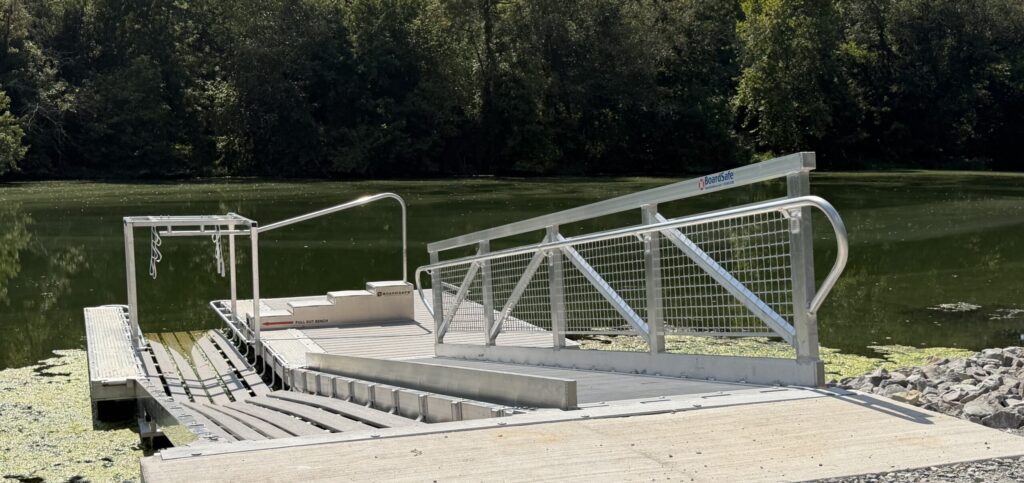 McMinnville, TN - BoardSafe Accessible Kayak Launch
 THE REAL NUMBER: COST OF OWNERSHIP OVER 25 YEARS
The purchase price is a single line on a single year's budget. The launch, though, has to perform for 25 years or more — through storms, hurricanes, floods, ice, and daily public use. So the honest way to compare two launches isn't the number on your bid; it's the total cost of ownership across the life of the structure.
Seen that way, cheaper is usually more expensive. Many lower-priced units simply aren't engineered to survive a major storm, flooding event, or hurricane — sometimes not even a full decade. When one fails, the cost doesn't stop at another purchase. It includes emergency removal, repairs, the downtime while the public has no access, and the harder-to-quantify cost of a launch that washed downstream, making the news under your park's name.
Replace a launch once over a 25-year horizon, and you've paid for it two or three times over. A properly engineered launch is a higher line item exactly once. It's built to still be in service in year 25 — with one purchase and decades of return.
| Cost driver | Engineered to last 25+ years | Chosen on lowest bid |
| Upfront price | Higher line item, once | Lower line item |
| Expected service life | 25+ years by design | Often under 10 years in demanding water |
| Storm & hurricane survival | Engineered to stay put and stay whole | Not engineered for extreme events |
| Replacement cycle | None planned within the horizon | One or more replacements likely |
| Repairs & maintenance | Routine, predictable | Escalating; fasteners, floats, connections |
| Downtime & lost access | Minimal | Weeks or seasons of closure after a failure |
| 25-year total cost | Lowest — one structure that lasts | Highest — repeat purchases plus cleanup |
A launch that costs less on the bid can become the most expensive line on the balance sheet the first time it has to be pulled out of a river and replaced.
So when you evaluate a floating kayak launch, ask: “Will it still be here — and still doing its job — in 25 years?”
The answer starts with a properly engineered shoreline connection — including the bulkhead mounting angle where the site has a bulkhead — and continues with a welded frame, properly sized flotation, site-specific engineering, and accessibility designed for real-world water conditions. Those are the things that turn a purchase into a 25-year return.
Buffalo, NY BoardSafe Kayak Launch Secured to Bulkhead with Engineered Mounting Angle and Cables
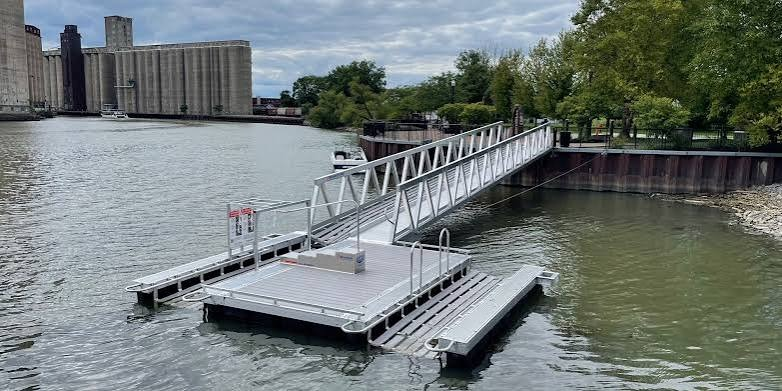 Buffalo, NY BoardSafe Kayak Launch Secured to Bulkhead with Engineered Mounting Angle and Cables
THE SIX QUESTIONS TO PUT IN YOUR RFP
- Shoreline connection: How is the floating dock connected to the shoreline, and is the bulkhead mounting angle (or other connection) engineered for our site conditions?
- Structure: Is the frame continuously welded aluminum, and what are the rated occupant and load capacities?
- Flotation: How were the floats sized and positioned for the dock's dimensions and anticipated loads?
- Flood behavior: How does the launch handle rising and falling water, and what range of water levels is it designed for?
- Accessibility: Does the entire accessible path stay safe and usable across the expected range of water levels, and was the launch designed around the needs of paddlers with disabilities?
- Warranty & references: What is the structural warranty, and can you provide references for comparable installations that have remained in service?
ENGINEERED FOR THE WATER YOU ACTUALLY HAVE
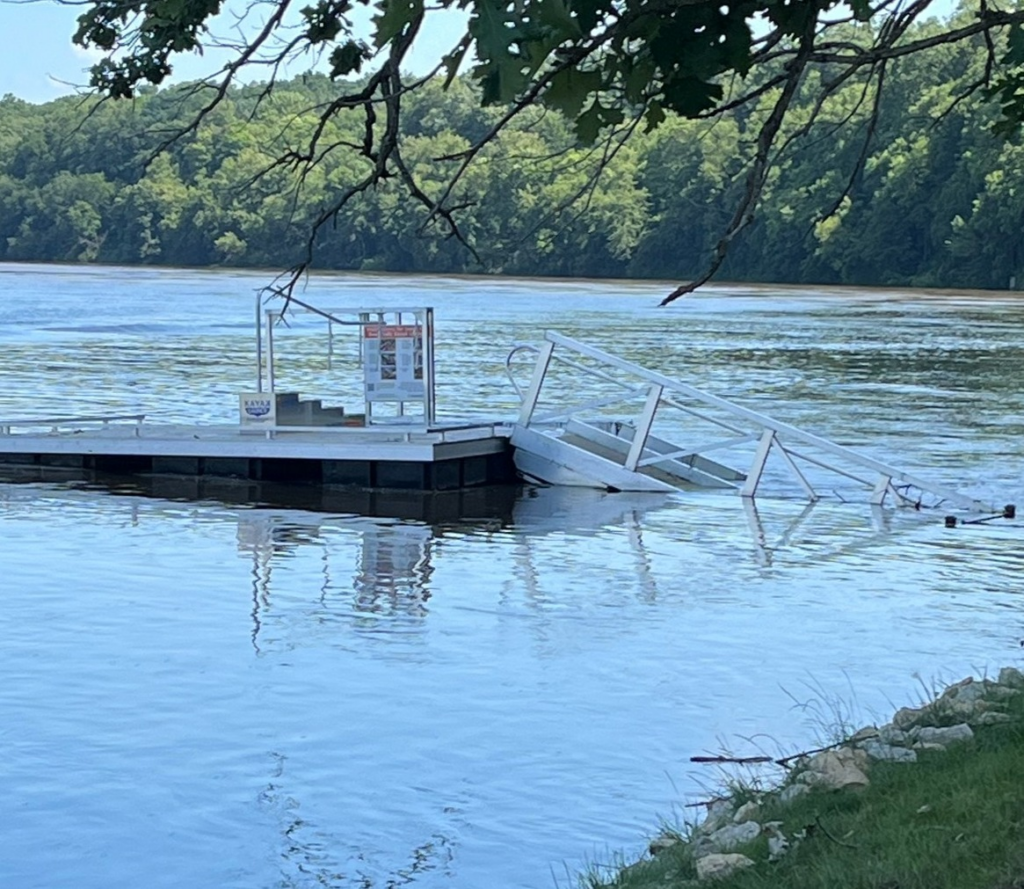
BoardSafe Kayak Launch in Dixon, IL, still floating and secure during highest flood stage
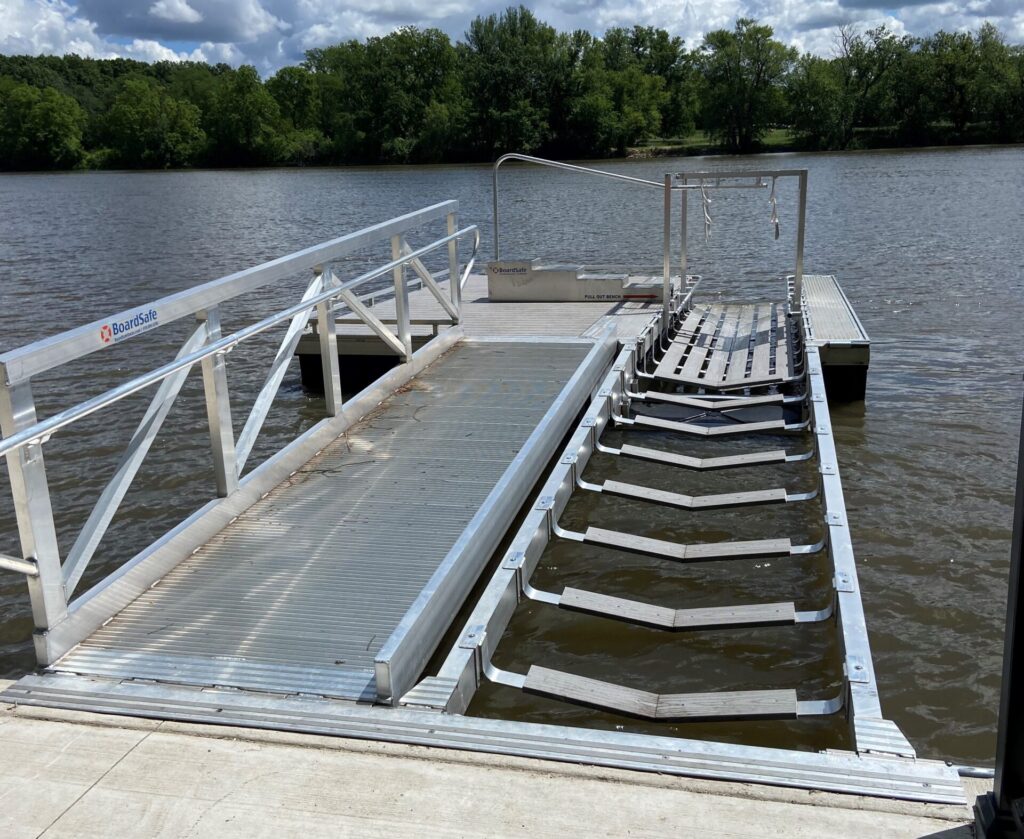
Same BoardSafe Kayak Launch in Dixon, IL, floated back into place post-flood
Every waterfront is different. BoardSafe designs the right floating dock system by starting with the shoreline, the water, and the loads the structure must withstand. With all floating infrastructure, flotation keeps it on the water—but proper engineering keeps it attached and in place for the long-term.
Watch a BoardSafe rowing center handle the flooding conditions on the Schuylkill River in Philadelphia, PA: Flooded Aluminum Floating Dock Rowing Center Survives Test.
BoardSafe Docks designs, engineers, and fabricates welded-aluminum waterfront infrastructure that includes: adaptive kayak launches, gangways, pedestrian bridges, accessible fishing piers, rowing docks, and courtesy boat docks. We don’t manufacture the same system and hope it works for all locations, or pull our system off a shelf. We work with you to design the best and lasting solution for the specific conditions at your site. With about 250 floating dock systems in service across the U.S., BoardSafe builds from experience. Learn more at boardsafedocks.com.
Disclaimer: This guide is for educational purposes and describes common considerations in floating launch design. Water conditions and engineering requirements vary by site and should be confirmed by a qualified engineer. BoardSafe Docks recommends site-specific engineering for waterfront structures.
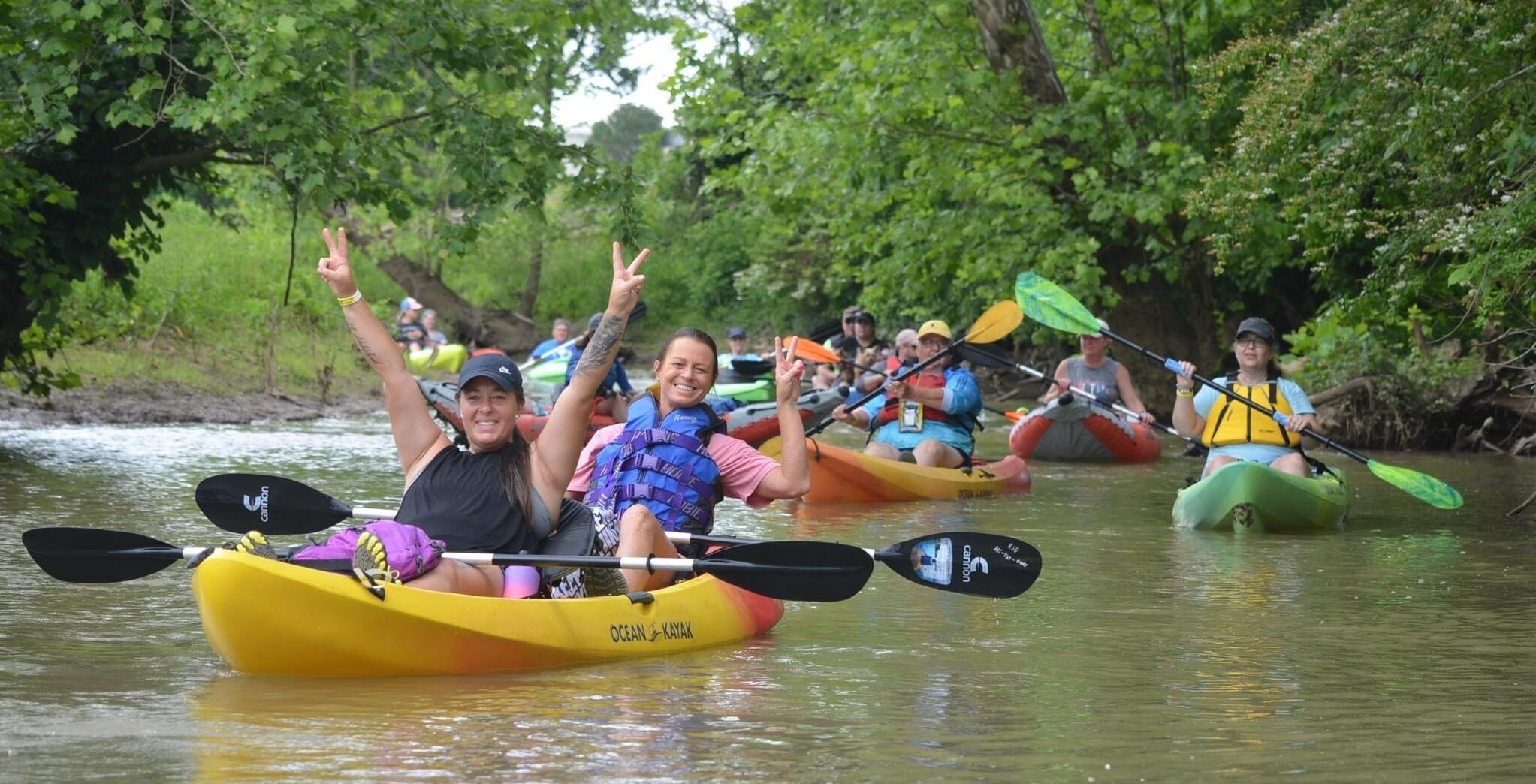
Beaver Creek Water Trail’s Newest BoardSafe Adaptive Kayak Launch Opens at Karns Landing, TN
Building an Accessible Water Trail One Access Point at a Time
The Beaver Creek Water Trail is demonstrating what is possible when communities take a long-term approach to improving paddling access, protecting natural resources, and creating recreational opportunities for people of all abilities.
In July 2026, Legacy Parks Foundation and Knox County celebrated the opening of the newest BoardSafe Adaptive Kayak Launch at Karns Landing in Knox County, Tennessee. The project marks another important milestone in the development of the 44-mile Beaver Creek Water Trail and continues a multi-year collaborative partnership among BoardSafe Docks, Beaver Creek Kayak Club, Knox County Parks and Recreation, and Legacy Parks Foundation.
For communities interested in developing an accessible water trail of their own, Beaver Creek offers an important lesson: a successful water trail isn't created with one launch. It is built strategically over time, with multiple access points that connect people to the water and to one another.
 From Community Vision to a 44-Mile Water Trail
BoardSafe Docks was first introduced to the Beaver Creek Kayak Club in 2020. Led by club president and trailblazer Charlie Austin and a dedicated group of community volunteers, the club has grown into a community of more than 7,400 members and has played an important role in building awareness of Beaver Creek as a recreational hub.
The club's efforts are part of a much larger community vision centered around recreational kayaking and dedication to the preservation and conservation of the public water trail, with a motto: “Clear, Clean, and Care for Beaver Creek.”
That vision has translated into years of hands-on stewardship, environmental improvements, and investment in public recreation.
The results include:
- Removal of more than 3,000 tons of debris
- Improved community stewardship and pride
- Improvements to the health and ecology of the creek
- Increased opportunities for fishing and wildlife viewing
- Flood-reduction efforts
- New parks and recreational access points
- A growing network of accessible paddling facilities
- Stronger connections among communities along Beaver Creek
Perhaps most importantly, the project demonstrates how environmental stewardship and recreational access can work together. Cleaning and protecting the waterway has helped make Beaver Creek a destination, while strategically placed access points make it possible for more people to experience it.
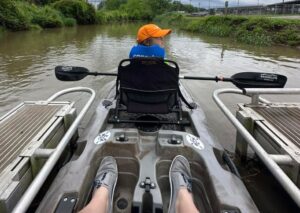 Three Accessible Launches Create a Connected Paddling Experience, More to Follow
Karns Landing is now the third BoardSafe Adaptive Kayak Launch installed along Beaver Creek.
It joins existing BoardSafe launches at:
- Powell High Landing
- Roy Arthur Stormwater Park
- Karns Landing
The three access points are located approximately 5.5 miles apart, creating a series of opportunities for paddlers to enter, exit, and explore Beaver Creek.
This type of strategic spacing is an important consideration for communities developing a water trail. Rather than focusing on a single launch site, planners can look at the entire waterway and identify locations that can eventually create a connected network of public access points.
More additional BoardSafe Adaptive Kayak Launches are in the planning phase, continuing the long-term vision of a fully connected and accessible Beaver Creek Water Trail.
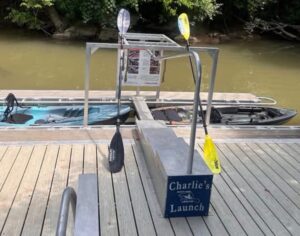 Designing Access for Paddlers of All Abilities
Creating an accessible water trail means more than simply providing a route to the water. The access point itself must be designed so that people with different mobility needs can safely and independently transition from land to water.
The BoardSafe Adaptive Kayak Launch at all Beaver Creek locations, and now at Karns Landing, incorporates features designed specifically for adaptive paddlers, including:
- An ADA-compliant gangway and ramp
- A floating dock system that includes an adaptive boarding kit
- A boarding bench positioned at wheelchair height
- An overhead grab bar
- Hand straps and pull bars
- A pull-out seat that extends over the kayak entry point
- A kayak chute that cradles and stabilizes the kayak during entry and exit
These features are intended to make launching and landing easier, safer, and more manageable for all paddlers, including those with a wide range of abilities.
The goal is not simply to create an accessible box to check. The goal is to create an access system that people can actually use. With nearly 200 kayak launches installed across the United States, BoardSafe offers launches in different configurations and can help determine which work best for specific site conditions.
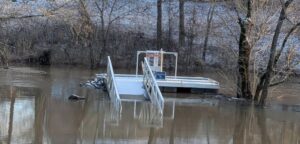
Planning for Flooding and Long-Term Durability
Water trails present unique infrastructure challenges. Access points must function in an environment where water levels can change dramatically, currents can be unpredictable, and flooding can put significant stress on waterfront structures.
Since 2020, BoardSafe Docks has worked with Knox County stakeholders to evaluate access sites along the creek and provide expert analysis of the type of launch system that would best suit each projected launch site.
That site-specific approach is especially important along Beaver Creek, where portions of the 44-mile waterway are prone to significant flooding.
BoardSafe's welded aluminum floating dock systems, gangways, and adaptive kayak launches are engineered and anchored for the conditions at each location. Proper anchoring and riverbank connections are critical to maintaining the stability and safety of a floating access system when water levels rise and site conditions change.
For communities developing a water trail, the lesson is clear: accessibility, durability, site conditions, and long-term maintenance should be considered together from the beginning of the planning process.
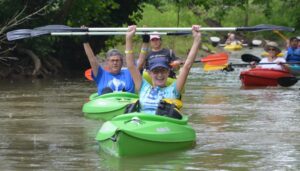 Water Trails Can Build Stronger Communities
The Beaver Creek Water Trail is about more than paddling.
It has become a community recreation initiative that brings together residents, volunteers, government agencies, conservation organizations, paddlers, and businesses around a shared natural resource.
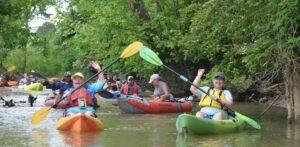
The Beaver Creek Kayak Club's annual Flotilla is one example of that community connection. The club recently celebrated its 9th annual Flotilla, bringing more than 500 paddlers together for a day on the creek.
Events like this demonstrate the broader impact of investing in water trails. A well-planned access network can support paddling events, fishing, wildlife recreation, outdoor education, tourism, and everyday recreation for residents.
As Legacy Parks Foundation Executive Director Carol Evans noted:
“Close-to-home recreational opportunities have become more important to all of us, and the Beaver Creek Water Trail is an excellent resource where many of us live and work.”
What Communities Can Learn From Beaver Creek
For communities considering the development of an accessible water trail, Beaver Creek provides a valuable roadmap.
1. Start With the Entire Waterway
Look beyond a single launch site. Identify the full length of the water trail and determine where access points can eventually be connected.
2. Listen to the Paddling Community
Local paddlers understand the waterway, its challenges, and the places where access is most needed. Beaver Creek's progress was driven in large part by people who already knew and cared about the creek.
3. Design for Real-World Accessibility
Accessibility should be incorporated into the launch itself and not added as an afterthought. Talk with adaptive paddlers and understand what they actually need to enter and exit their boats. Seek out support from waterfront infrastructure experts, like BoardSafe Docks, where our experience and project expertise set us apart from other dock builders. We don’t just build docks; we design, engineer, consult for unique site conditions, and manufacture the infrastructure.
4. Plan for Environmental Conditions
Flooding, fluctuating water levels, currents, shoreline conditions, and maintenance requirements should all be evaluated before selecting infrastructure.
5. Think Long-Term
A water trail can take years to develop. Establishing one successful access point creates a foundation for the next. Over time, individual launches can become a connected recreational network.
6. Build Community Around the Water
Events, volunteer stewardship, fishing, paddling, conservation, and outdoor recreation can turn a water trail into a community asset that reaches far beyond the people who paddle.
Beaver Creek’s Story Is Still Being Written
The opening of the Karns Landing Adaptive Kayak Launch is not the end of the Beaver Creek Water Trail project. It is another step in a long-term vision to create a more connected, accessible, and sustainable recreational resource along 44 miles of Beaver Creek.
From removing thousands of tons of debris to restoring community pride, improving the waterway, creating parks, and installing accessible launches, Beaver Creek demonstrates how waterway restoration and recreational access can work hand in hand.
And as additional access points are planned, the vision becomes increasingly clear: a water trail where paddlers of different ages and abilities can find safe, welcoming opportunities to experience the creek.
For communities considering an accessible water trail, Beaver Creek provides an example worth following.
The best water trails aren't simply places to launch a kayak. They are connected community assets—planned for accessibility, built for the environment, and designed to serve generations of paddlers.
Learn More About Beaver Creek’s Water Trail
Follow the growth and development of the Beaver Creek Water Trail through these BoardSafe and Legacy Parks Foundation resources:
Planning an Accessible Water Trail?
If your community is planning a paddle trail and wants to incorporate durable, functional, and truly accessible waterfront infrastructure, contact us at BoardSafeDocks.com or 610-899-0286.
BoardSafe Docks is the trusted expert that works with communities, parks departments, engineers, and water-trail planners to develop site-specific access solutions designed around the needs of the waterway and the people who use it.
#AccessYourAdventure #WaterfrontInfrastructure #UniversalAccess #AccessibleWatertrails #BoardSafeDocks #BeaverCreekKayakClub