
BoardSafe Custom Pier and Docks on the Schuylkill River
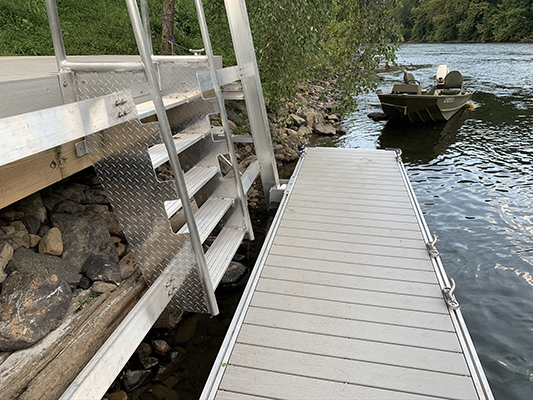
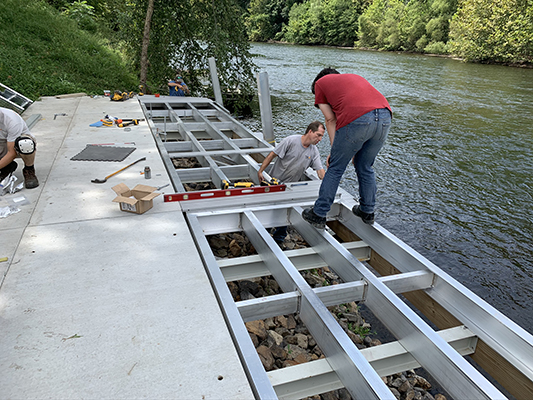
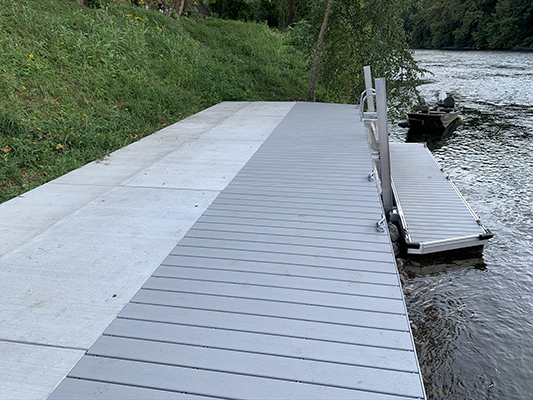
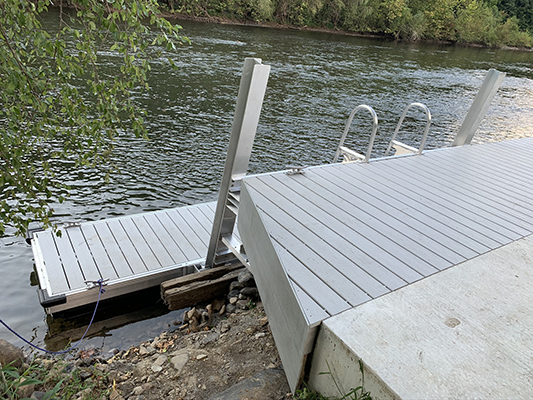
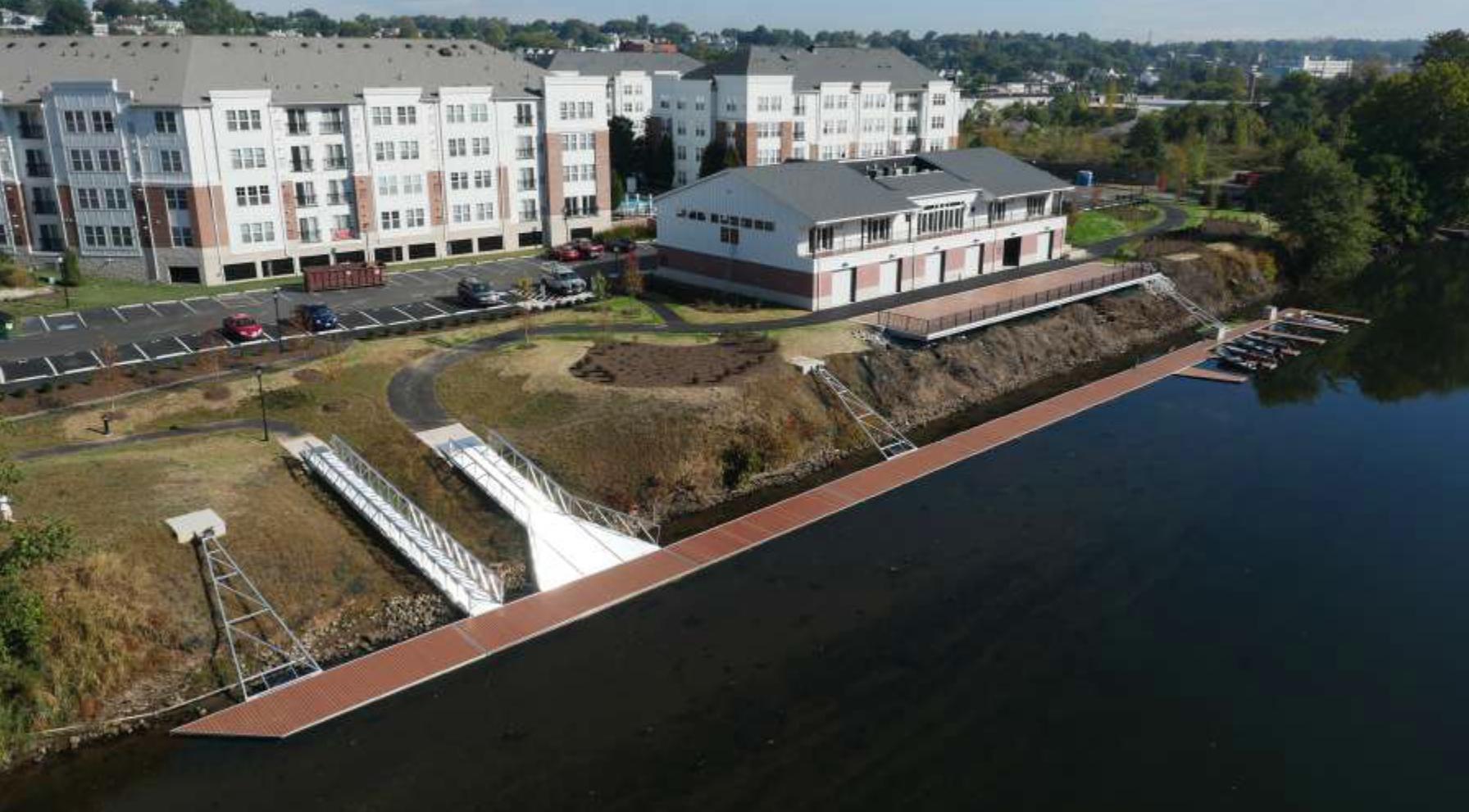
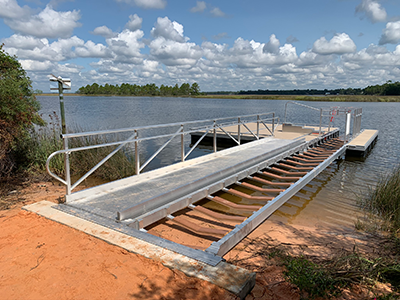
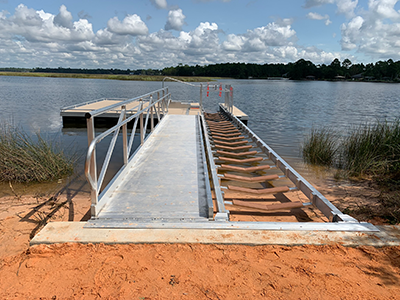
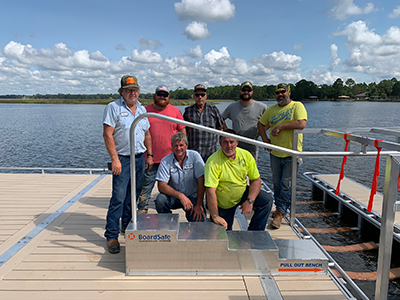
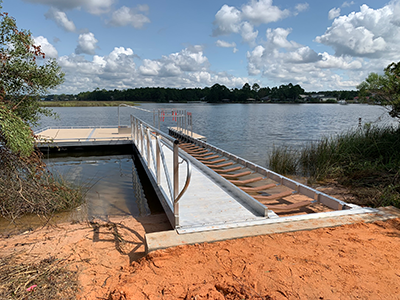
This recent BoardSafe custom installation includes an aluminum staircase leading down the bank, measuring 3½ feet wide by 18 feet long. It also includes a fixed aluminum pier, as well as floating aluminum docks.
Custom BoardSafe Aluminum Floating Dock, Boat Rack, and Launches
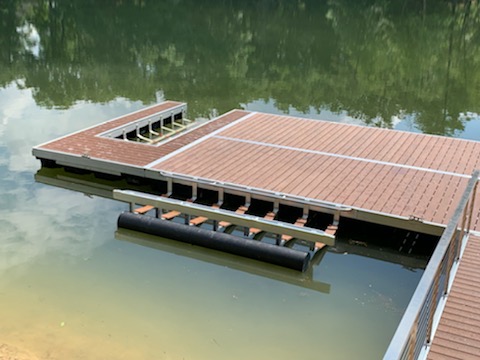
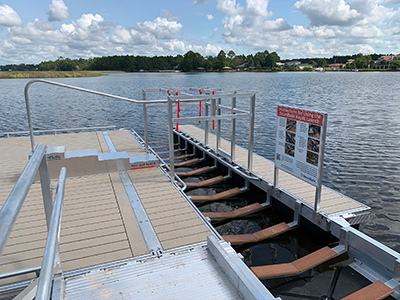
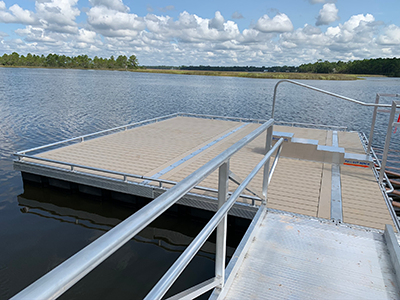
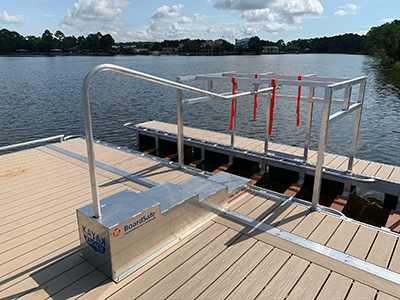
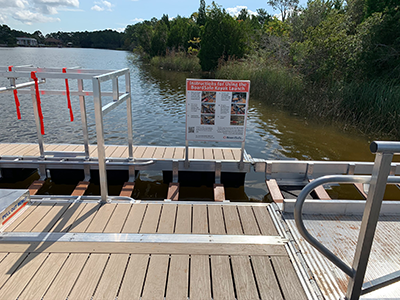
BoardSafe recently engineered, manufactured, and installed, a custom aluminum floating dock and gangway for a private lake. The BoardSafe custom aluminum floating dock is equipped with two kayak launches. The installation also includes an attached boat rack that cantilevers out over the water, freeing up valuable deck space.
Watch this video testimonial and bird's-eye perspective of this custom BoardSafe installation:
City of Coeur d'Alene Atlas Waterfront Project
The City of Coeur d'Alene has officially purchased nearly 47 acres of Spokane River waterfront property that was the former Atlas Mill site for the inclusion of a BoardSafe adaptive kayak launch and Clip-A-Launch. The city purchased the property for $7,850,000 and the sale was recorded on May 16, 2018, making the sale official. The city began the process of purchasing the Atlas Waterfront property in May of 2017. The city purchased the property to create permanent public waterfront access and encourage economic development initiatives on the site.
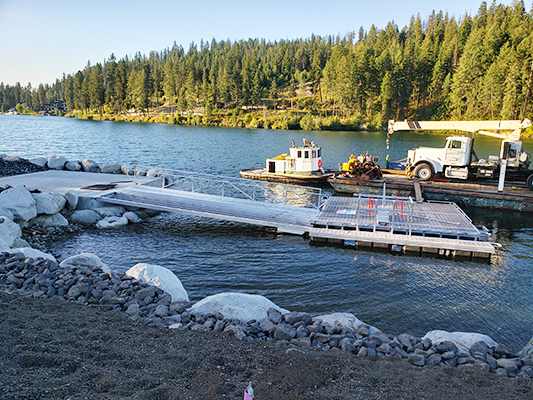
The featured photo is of the BoardSafe Kayak Launch being installed in Coeur D’Alene, Idaho, at Atlas Mill Waterfront Park. This system not only includes our standard launch system, but a Clip-A-Launch as well. This was BoardSafe's first project in Idaho.
The City of Coeur d'Alene is working in partnership with ignite CDA to assess all opportunities related to uses of this property and to engage the community. The City Council and ignite CDA board members have directed staff to move forward with creating a new urban renewal district, which is being referred to as the Atlas District, and to expand the River and Lake districts. A Site Analysis, Financial Feasibility Study, and Master Planning effort is underway to develop an urban renewal plan for the project. That effort is being led by Welch-Comer Engineers with sub-consultants Heartland and GGLO. City staff, ignite CDA, and elected officials have been working together to provide feedback on the analysis and to provide ample opportunities for community outreach and public involvement. Special thanks to CDA2030 and other community volunteers for making the community engagement efforts to date a success.
Here we will provide basic project information, project status updates, and when and how stakeholders and community members can get involved in sharing their thoughts on this important project.
News & Information
- ATLAS WATERFRONT NEWS LOG (Click on link for more project information and news)
- COR Vision Group
- Frequently Asked Questions
- Traffic Impact Study Frequently Asked Questions
- Property Photos - Taken June 2017
- Environmental & Geotechnical Research of Property
- Resolution No. 14-049 - A City Council resolution calling for maximization of public access to riverfront property
- City Purchases Atlas Waterfront - It's official. The 47-acre Atlas Waterfront property is now owned by the City of Coeur d'Alene! The City purchased the property for $7,850,000 and the sale was recorded on May 16th, making the sale official. The City began the process of purchasing the property in May of 2017.
Rowing Center Aluminum Floating Dock Survives Flood
The Conshohocken Rowing Center, located north of Philadelphia on the Schuylkill River, was challenged by a rainstorm that caused the river to rise 20 feet, reaching the top of the embankment. Despite the flooding, the aluminum floating docks, gangways, and rowing center, remained intact. This is yet another testimony to BoardSafe's engineering and construction skills. Watch this on-the-spot video:

BoardSafe Kayak Launch Survives Hurricane Sally
Recently, BoardSafe installed one of our adaptive kayak launches in Milton, Santa Rosa County, Florida. The project was completed 6 days before the area took a direct hit from Hurricane Sally. During the storm, they were hit with a 6-foot storm surge. After watching the news, there seemed to be little hope the dock survived, but the project contact told us, “The dock system didn’t move an inch.” This was great news for the community — one less thing they needed to worry about after the storm — and a testimony to BoardSafe's engineering and construction quality.
Grants Make Outdoor Recreation More Accessible
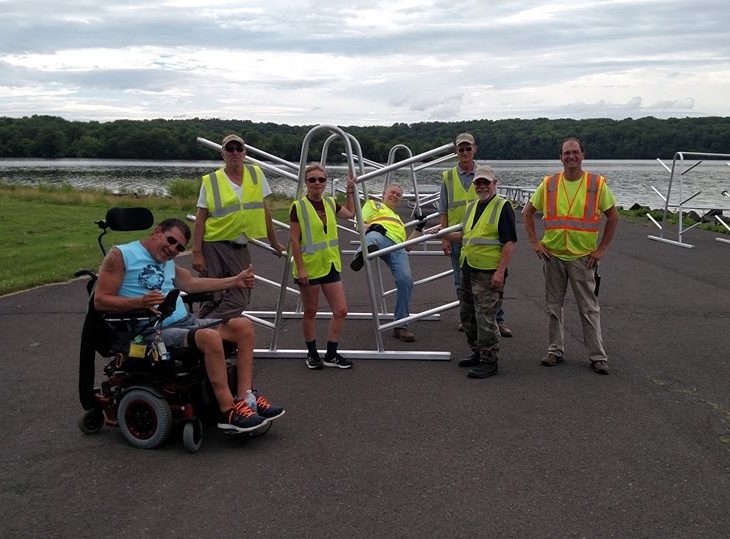
Adaptive and wheelchair sports have been growing dramatically over the last few years, especially with the influx of an estimated 10,000 veterans and active service members now participating in adaptive sports. The interest in the Paralympic Games has also led to sports fitness facilities built especially for wheelchair and adaptive athletes. Many state and local governments and park services are revisiting their recreational facilities and offering funding, grants, and other incentives, to plan, develop, and implement programs to open access to handicapped individuals who want to enjoy the same sports and recreational opportunities as others.
One example is the city of Reading, Pennsylvania. The Pennsylvania Department of Conservation and Natural Resources is working on a multimillion-dollar recreation plan to help cities improve their outdoor all-accessible facilities for adaptive athletes. You can read about it here.
PDCNR Secretary Cindy Adams Dunn says, "They're cooped up at home. Perhaps they're doing their learning from home. Perhaps they're working from home. People are confined in tight spaces," Dunn said. "One thing that was deemed essential from the beginning was time outdoors."
BoardSafe is grateful to be a part of so many plans to help our handicapped citizens enjoy a fuller life.
Testimonial: Small Aluminum Floating Dock and Aluminum Gangway in Maryland
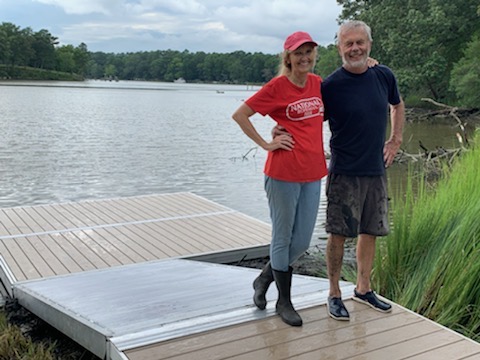
Recently, BoardSafe Docks completed a small commercial project in the Chesapeake Bay area. The project, though small, was complex, including multiple site issues: fluctuating water levels, cross currents, and a peculiar embankment on the water approach. Despite this, BoardSafe managed to engineer and install a safe and sturdy aluminum floating dock and aluminum gangway that left the owner thoroughly impressed.
"Let me tell you how much I admire the quality, design, and workmanship of your BoardSafe ramp and floating dock. It is beautiful and is a definite asset to my property. I want to thank you for stepping up to the challenge of finding yourself unexpectedly faced with the installation. You and your wife were very generous with your time and expertise when I really needed it. You and your company deserve the great success you enjoy — you have earned it. It was a pleasure doing business with you."
This is just one instance of how BoardSafe's experienced engineers and installers can meet any challenge with our aluminum floating docks and aluminum gangways. We can do the same for you!
[smartslider3 slider="2"]
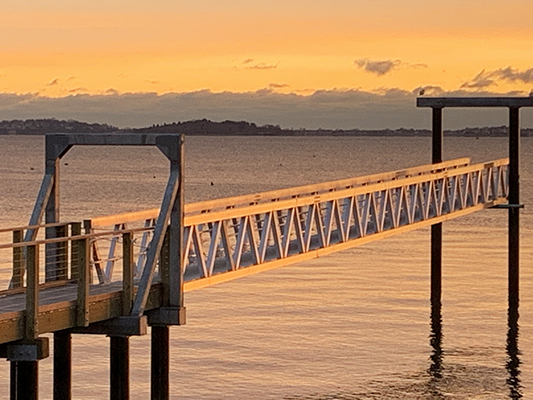
Aluminum Gangway at Renewed Quincy, MA, Ferry Terminal
BoardSafe contracted to build and install a 100’ aluminum gangway for the Quincy, MA, public ferry terminal. “Quincy needs a consistent and reliable ferry service year-round to get us to Boston to make a living,” says Carolyn Krantz, who commutes to Boston from Quincy. BoardSafe is proud to be a part of this initiative.
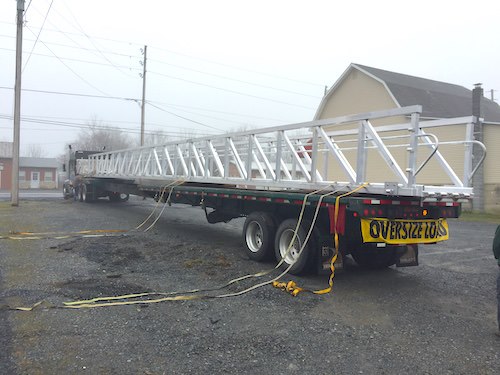
The pier at Squantum Point has existed since the 1980s, when it was built to accommodate workers and equipment needing transit to Deer Island. Quincy’s plan is to employ two vessels that could each ferry up to 120 passengers on weekdays and weekends. BoardSafe's aluminum gangway will make access to the ferry convenient and reliable for years to come.
BoardSafe Gangway Will Connect People with Floating Dock in Scituate, MA
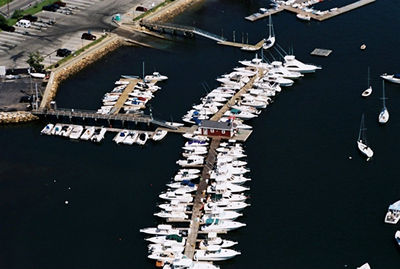
Located 20 miles southwest of Boston, the historic town of Scituate on Cape Cod Bay is one of the most picturesque harbors in New England. Scituate Harbor Marina has one of the most convenient locations in Scituate Harbor. They are the closest public marina in the harbor to ocean access. They are the only marina that can accommodate vessels up to 80 feet LOA. They have ample vehicle parking with secure access to our docks.
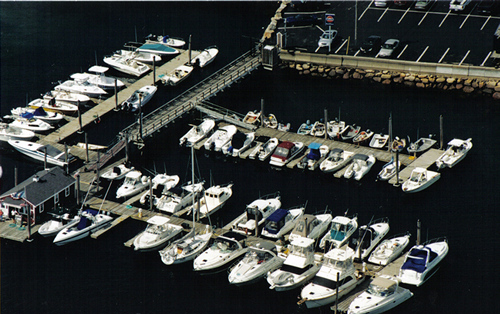
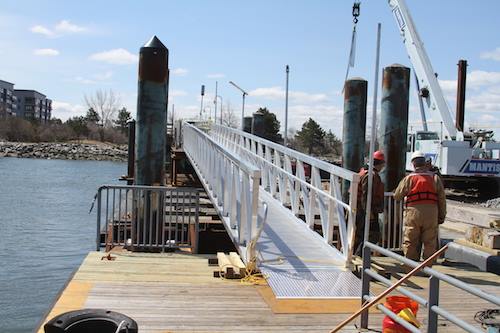
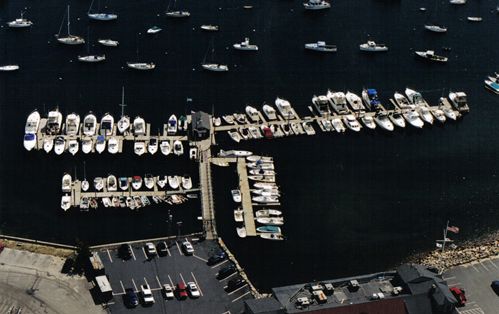
BoardSafe designed, built, and installed a 5' x 80’ gangway for the marina. This gangway connects the land with a floating dock.
[metaslider id="6912"]
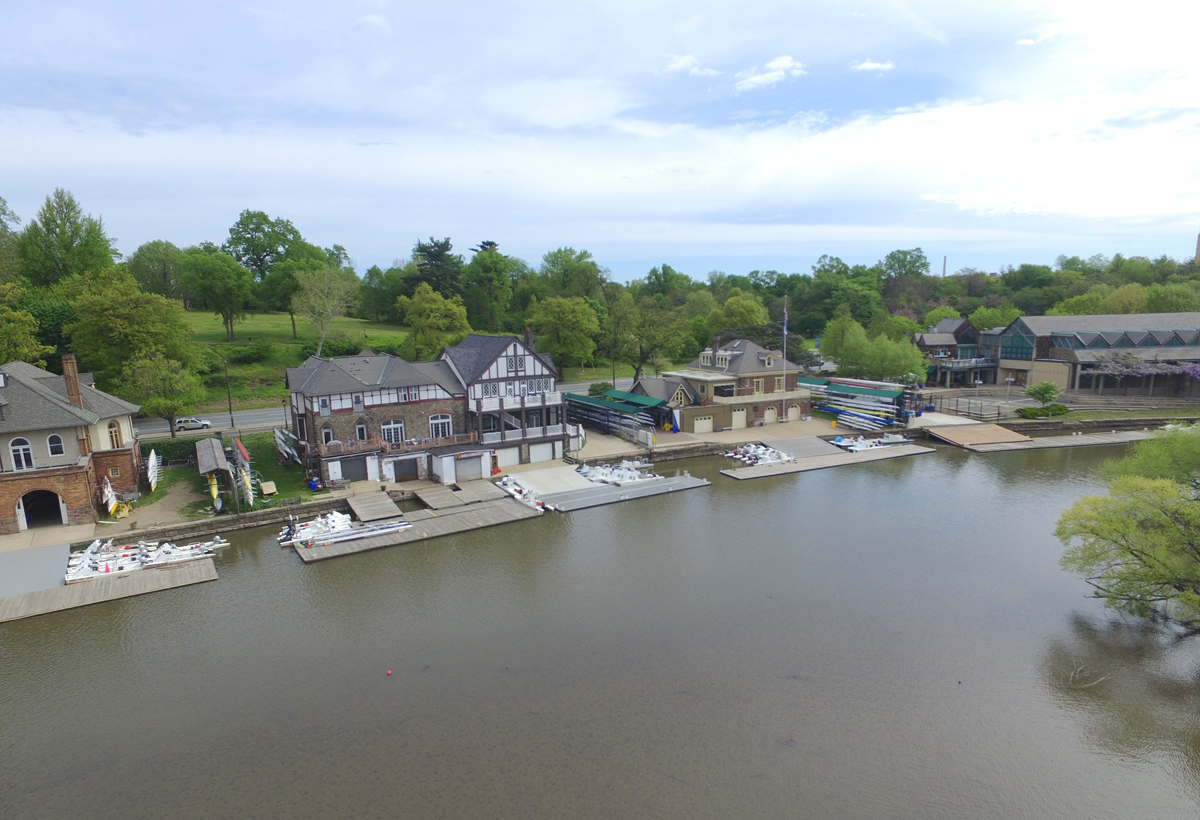
BoardSafe Provides Docks and Gangways for Philly's Boathouse Row
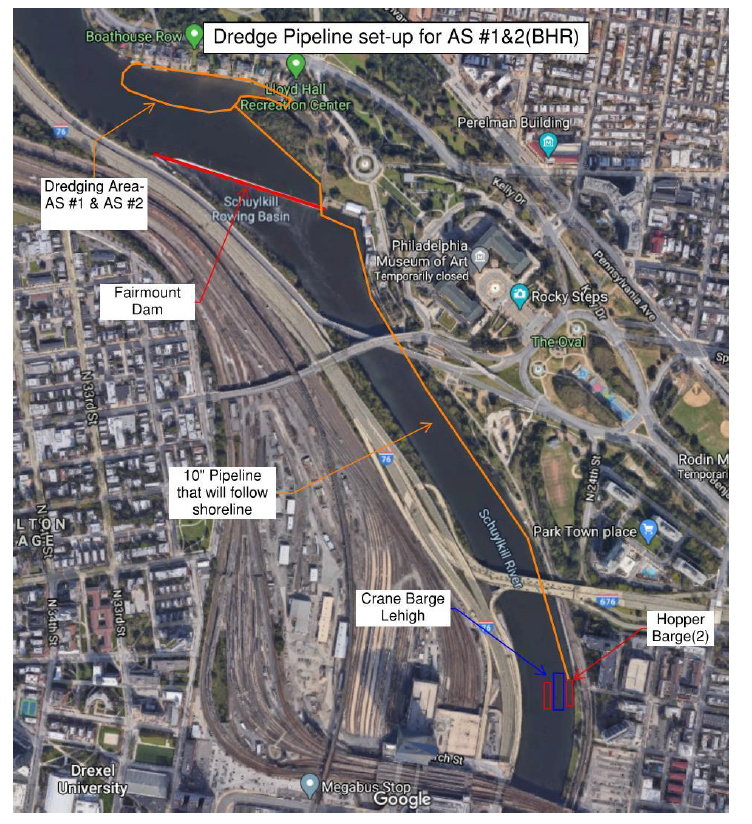
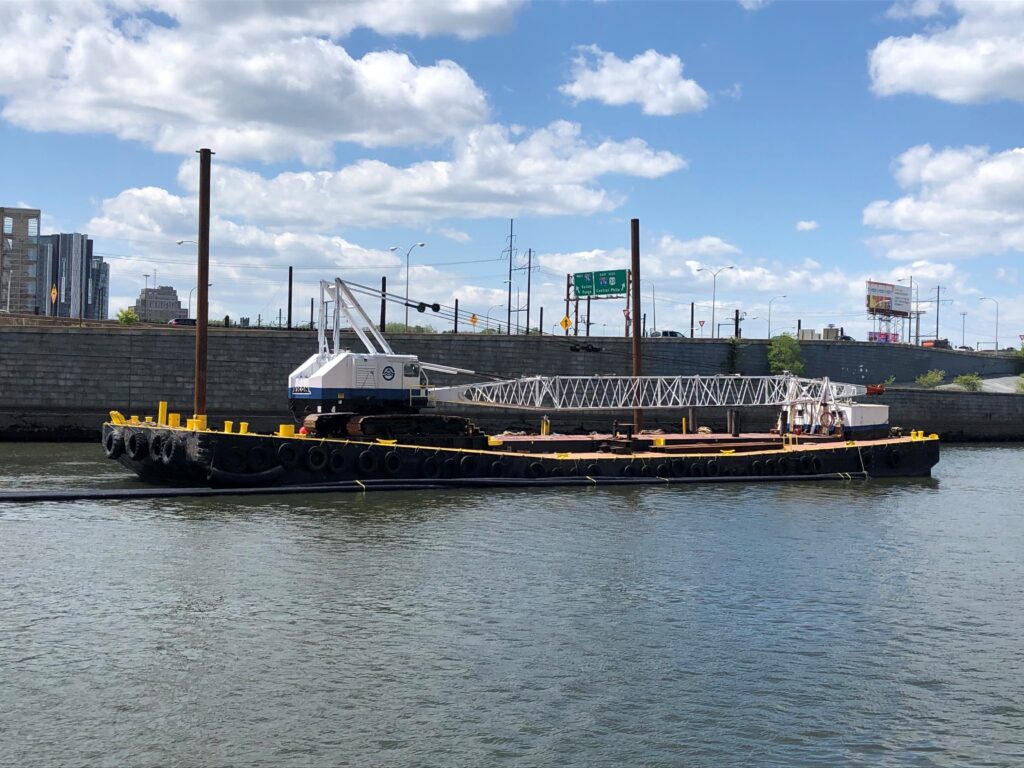
In May of 2020, Philadelphia city officials announced that the Schuylkill River would be dredged for the first time in over twenty years. Now, a team that includes a Penn Design professor is researching strategies to keep the river clear for decades to come.
BoardSafe entered into a contract with six of the boathouses on Boathouse Row in Philadelphia. The contracts range from removing the docks and storing them prior to dredging to putting some of them back and installing new floating docks and gangways. They are working with the following boathouses: PA Barge Club, Fairmount, University, U Penn, Crescent, and Malta.