
BoardSafe Docks Provides Paddling Accessibility for Allentown Waterfront
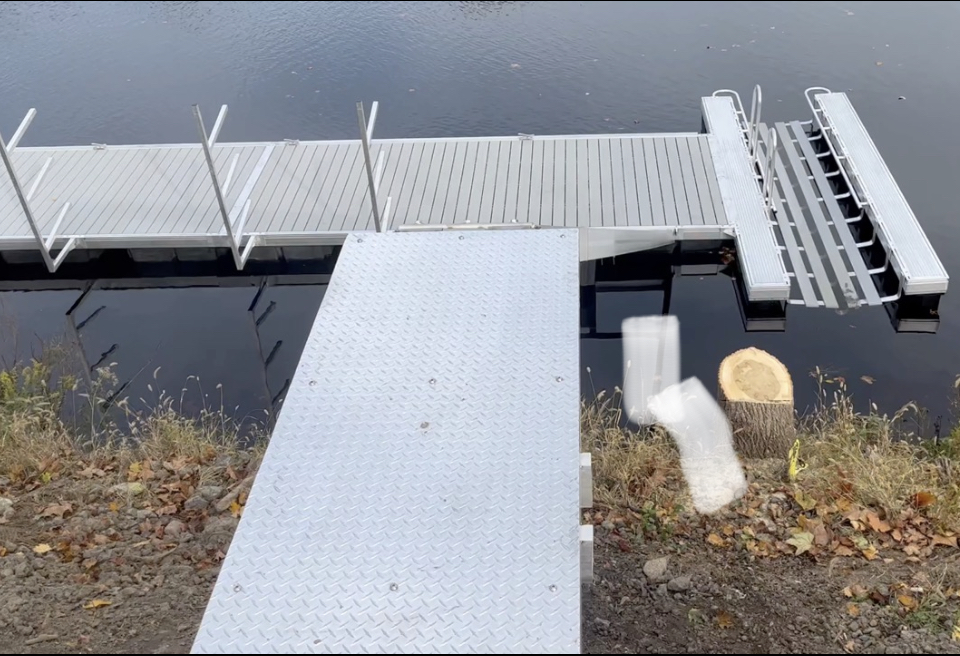
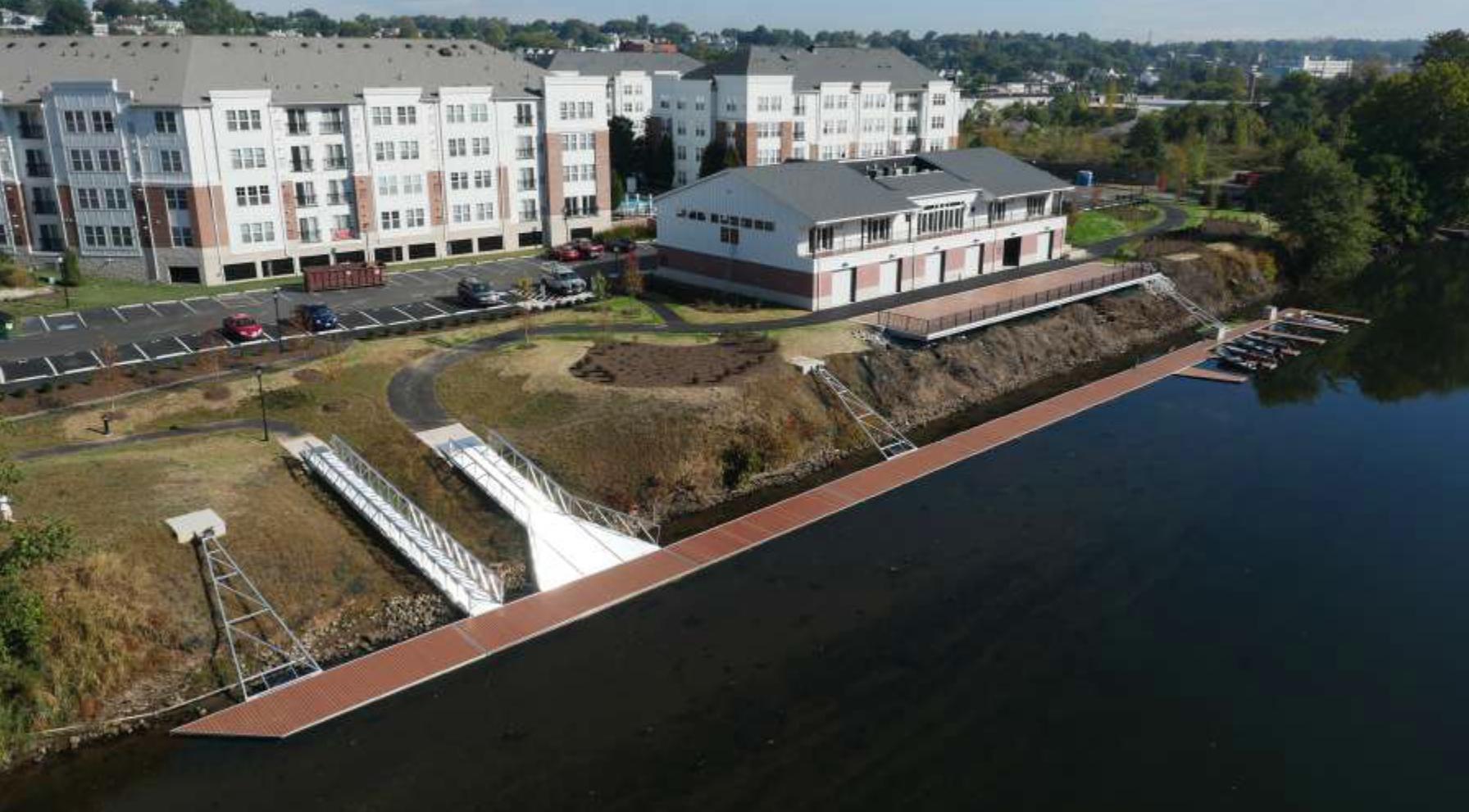
In October 2022, BoardSafe Docks completed the installation of a custom gangway, floating dock system, kayak launch, and storage racks on the Lehigh River in Allentown, PA. The Allentown Waterfront Project, developed by Jaindl Enterprises, is part of a redevelopment effort to revitalize an unused twenty-nine-acre industrial site, formerly home to Lehigh Structural Steel, into a vibrant mixed-use campus along the western banks of the Lehigh River.
The complex will revitalize the site’s industrial history and blend it with a beautiful new waterfront community. The design includes a mix of commercial and residential properties that will host restaurants, retail stores, and recreational amenities, and will offer convenient lifestyle and growth opportunities to the local economy.
Work hard, play easy
Lifestyle communities hold corporate allure by offering a desirable location between suburban and city work-life. Walkable communities are attractive to both residents and businesses because of their accessible amenities and work-life balance.
Recreational amenities, like parks, trail systems, and water access for kayaking, available at Allentown’s Waterfront, will help build the community the Jaindls envision. Waterfront communities bring like-minded people together by fostering shared interests and connecting people to nature. With the Lehigh River in their backyard, it’s a place where people can go after work or on weekends to take advantage of the close-to-home recreation and activities.
Building and investing in our natural resources brings communities together and builds friendships,—particularly among communities that have not been connected in the past.
The custom waterfront project developed by Jaindl Enterprises had a vision that included providing water access to paddlers wishing to paddle the Lehigh River. The shoreline approaching the Lehigh River is very steep and was inaccessible when the planning for the project began. BoardSafe Docks of Fleetwood, PA, was hired to design and manufacture a floating dock system and kayak launch that would open up accessibility to the beautiful riverfront for the new tenants.
A BoardSafe Kayak Launch provides safe and easy access and cannot be found anywhere else on the Lehigh River, making it an attractive feature for those living and working by the river.
Waterfront Project features
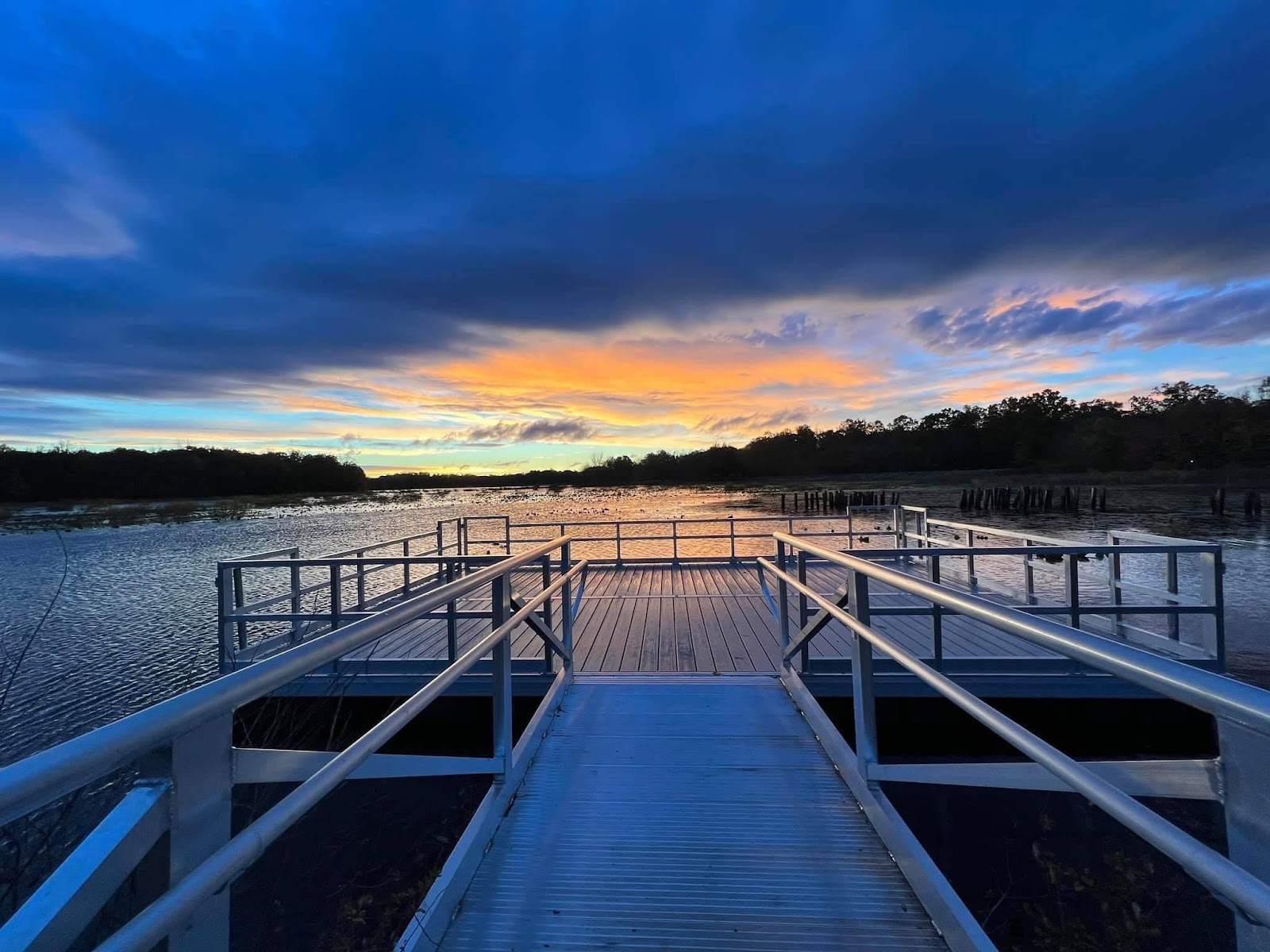
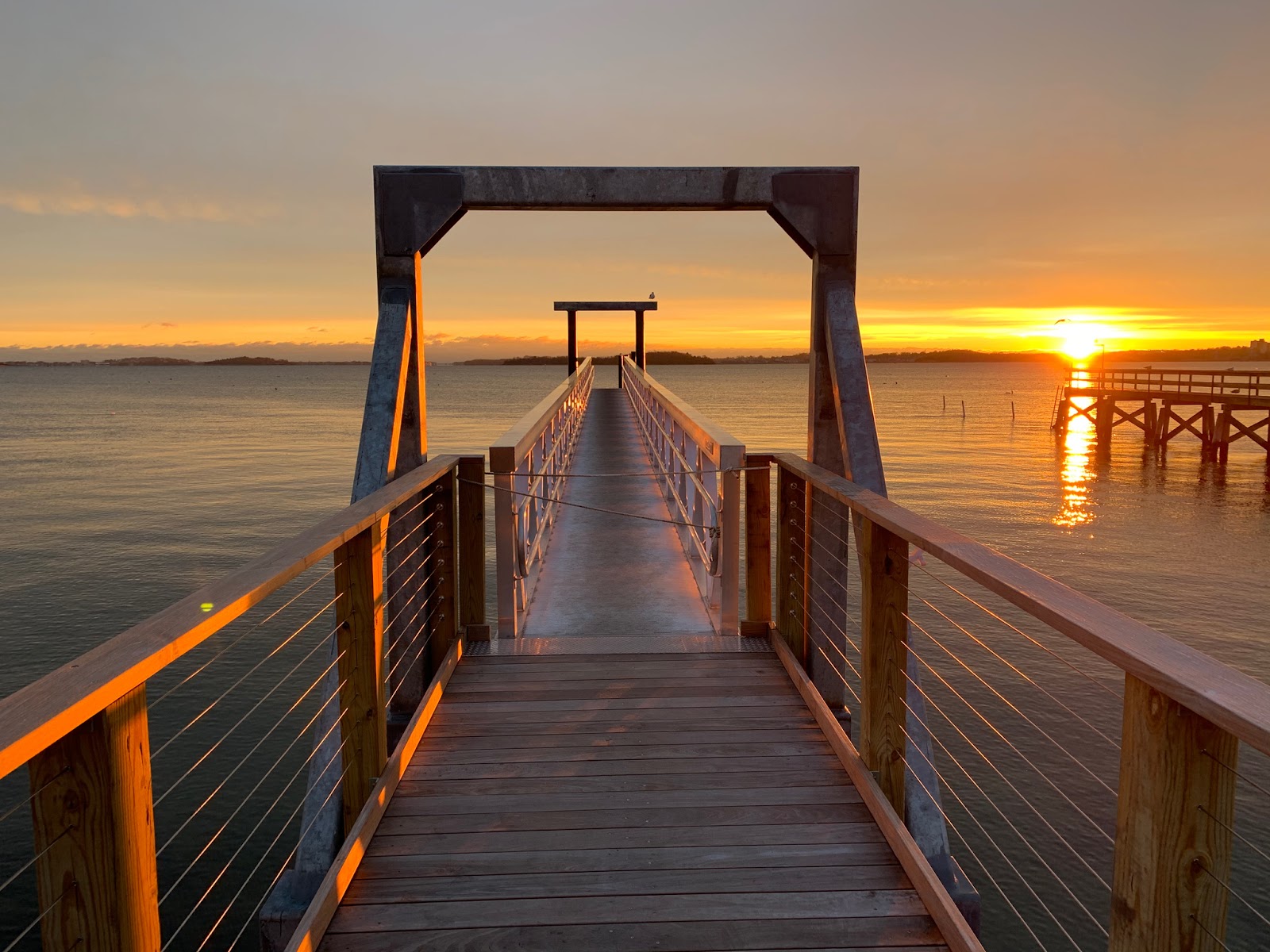
BoardSafe’s custom project along the Lehigh River includes a commercial floating aluminum dock, gangway, Clip-a-Launch, and kayak storage racks.
Watch the project video here: Allentown Waterfront Floating Dock and Kayak Boat Launch on the Lehigh River
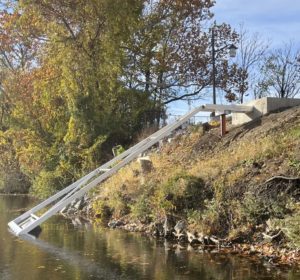
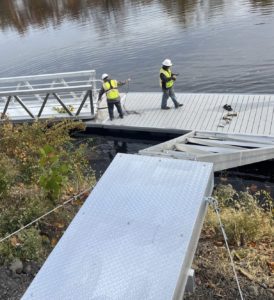
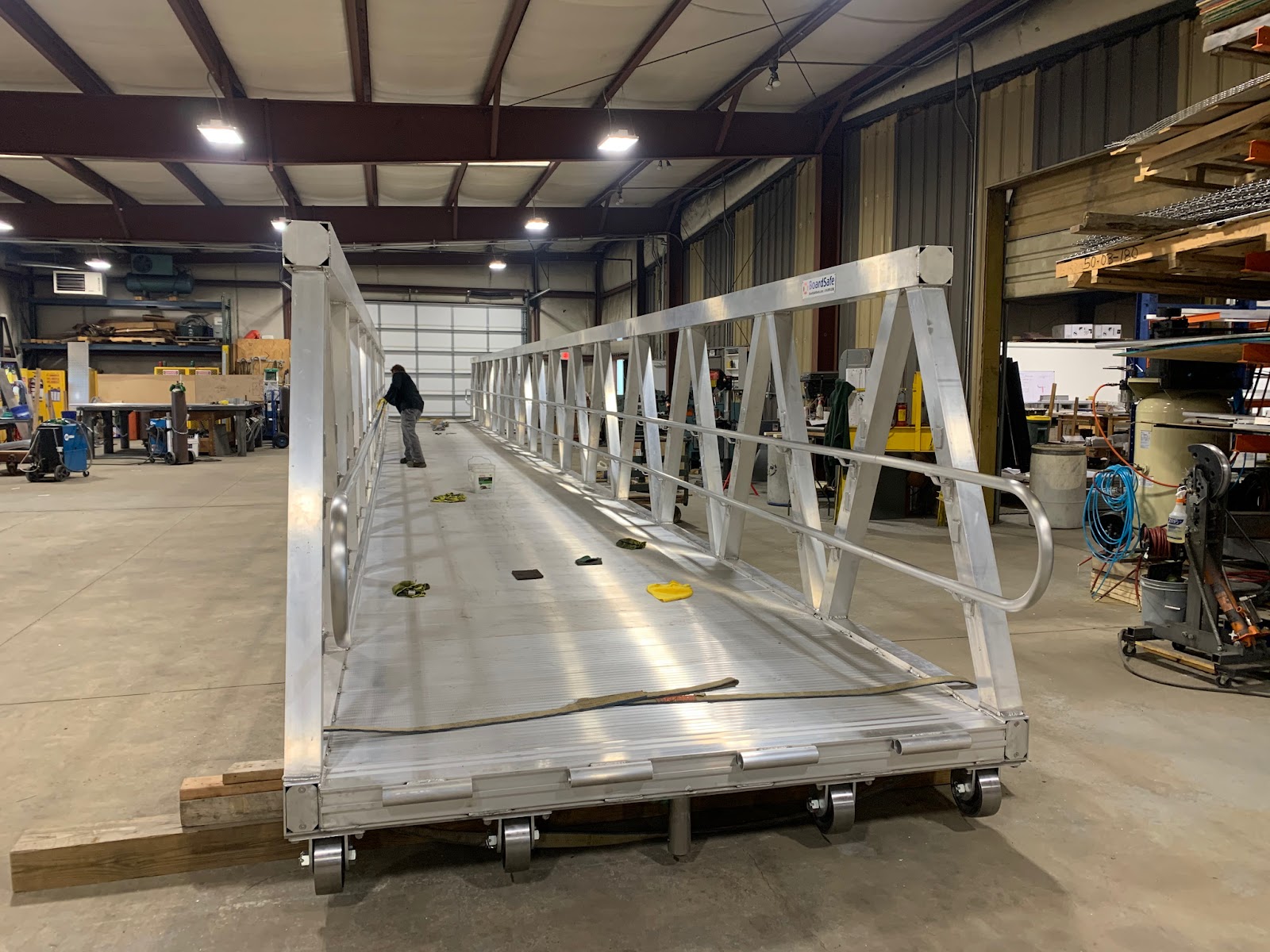
Due to the steep slope of the shoreline and possible flooding and drought conditions along the river, a concrete foundation was formed to secure the floating dock system to land. Heavy-duty engineered support arms were used to secure the dock system to the land. The massive arms provide structure and durability to the dock, allowing it to rise and lower with changing river levels while maintaining a fixed distance to the shoreline. BoardSafe Docks also manufactured an 80-ft.-long industrial gangway to connect to the floating dock. On the river are (4) floating dock sections, each 20 ft. in length, forming a large 8 ft.-wide by 80 ft.-long floating dock. The structure provides a stable system that will be flood-resistant for decades to come.
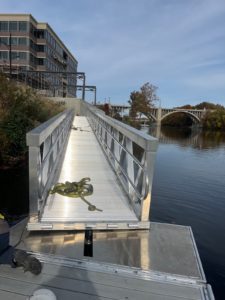
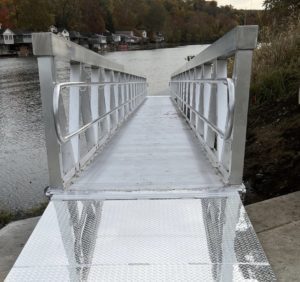
Features of the floating dock include a BoardSafe Kayak Clip-a-Launch to allow for easy boarding and exiting, kayak racks that store 3 kayaks per racking system, a protective dock bumper system, and adjustable cleats to tie up to the perimeter of the dock.
What’s unique about the floating dock structure is the two support arms that allow the system to go up and down as the river fluctuates. The arms will provide stability to keep the floating dock system in place during flooding and drought conditions.
About the Lehigh Valley
The Lehigh Valley is located near the Pennsylvania-New Jersey border and is home to more than 600,000 residents. The area boasts over $40 billion of economic output each year. In 2015, the valley was recognized in the top five regions for development in the Northeast by SiteSelection magazine.
The region named for the Lehigh River connects the area's three largest cities: Allentown, Bethlehem, and Easton. Along the river near the Allentown-Bethlehem border is The Allentown Waterfront, the new lifestyle destination for living and working, offering restaurants, retail stores, and recreation options, all in one place. Amenities include a riverwalk, outdoor amphitheater, plentiful parking, views of the water, and the ability to safely and easily launch a kayak.
Jaindl Enterprises believes The Waterfront is part of the next beautiful chapter for the city of Allentown. It’s taken about 10 years for developers to convert Allentown’s long-deteriorating riverfront into a complex of office and residential buildings. Buildings in the new community are named after William H. Mohr, Les Kift, and Thomas R. Mullen, original founders of the Lehigh Structural Steel site where they fabricated everything from bridges to hangars to highrises.
Allentown’s convenient location
The Allentown Waterfront’s convenient location boasts:
- 12 universities in a 20-mile area.
- 2 top-tier health systems: LVHN and St. Luke’s.
- 15,000 businesses in the ABE area.
- 90 minutes from NY.
- 60 minutes from Philadelphia.
Living on the water is desirable.
It’s easy to understand the draw that pulls people to the water. When you step into a kayak, push off into a canal or river, and take those first few paddle strokes, nature surrounds you.
Paddling and kayak fishing have become everyone’s favorite hobbies and sought-after forms of outdoor recreation. They bring families and friends together, connect people to nature, and most importantly, promote exercise, good health, and wellness. They have become activities that almost everyone can enjoy. Paddling encourages good stewardship of our parks, natural resources, and riverside land. Enjoyment and protection of the great outdoors are valuable investments in our communities, now and into the future.
The popularity of paddlesports like kayaking is on the rise.
According to a report published by the Statista Research Department, nearly 18.6 million U.S. Americans went kayaking at least once in 2021, demonstrating an increase in the popularity of paddlesports. During the 2010–2021 season, kayaking participation in the United States grew by 87.3 percent. Paddlesports like kayaking draw people to the water and together along the waterfront.
Here’s a short video of the Kayak Launch at Allentown’s Waterfront: Lehigh River Aluminum Floating Docks and Kayak Launch in Allentown
BoardSafe Docks has four other launches in the ABE area that are adaptive and inclusive for paddlers of all abilities. You will find them at Leaser Lake in Kempton, Beltzville Lake at Preacher’s Camp, Lake Nockamixon in Quakertown, and Lake Minsi in Northampton County. We invite all paddlers to try them out. We promise you will be impressed with how easy it is to get in and out of your vessel. BoardSafe Docks is proud to contribute to making paddling an activity that almost everyone can participate in. We are especially honored to offer our kayak launch to our local community.
BoardSafe Docks is the industry leader in adaptive kayak launches and fishing piers, gangways, pedestrian bridges, collegiate rowing centers, and marinas. We specialize in design consultation, engineering, and manufacturing, and will work with you to ensure your project is accessible. To discuss your project’s vision and learn more about BoardSafe Docks, our water access products, and the long-term value they bring to communities, please contact us through the website at BoardSafeDocks.com or call us at 610-899-0286.
10 Considerations When Choosing a Floating Dock Builder
We have listed 10 considerations for prospective buyers to be aware of during the design, engineering, and manufacturing phase of their projects.
If you’ve decided to work with BoardSafe Docks for our industry expertise, you’ve made the right choice. Working with a dock builder you trust will strengthen your professional relationship and translate into a more pleasant building experience.
Following are some key points to learn and understand about the design, engineering, and manufacturing process.
Choose an experienced floating dock builder.
Customers prefer to select a dock builder with prior dock-building experience. Ask how long the dock builder has been doing this type of work. Visit completed dock projects to see what they look like after the installation, as well as jobs they completed five years earlier so you have an idea of their strength, durability, and performance over time. Speak with and review references from prior customers. Since no two waterfronts are ever the same, neither will be floating dock projects. Projects will always vary; therefore, successful prior experience will ensure you’re getting a quality product that lasts. Take the time to research completed projects and reviews before you hire your contractor. Your dock is more than a regular construction project, so don’t waste time with inexperienced or novice builders.
Communicate with your designer-dock builder.
A trusted dock designer will be one you can easily contact and communicate with. Do they respond to your phone calls and emails in a timely manner? Establish in advance your preferred method of communication and the frequency of communication and how payments will be made. Map out a schedule for updates regarding the progress of your project. Dock projects can take time to complete—from designing, engineering, and ordering materials, through fabrication.
Structural integrity of the dock design and materials
You can’t have a quality dock without quality materials! That means asking your floating dock designer about the best type of dock for your environment, its features, and their recommended materials. The kind of dock, its location, and the materials used, will tell you a lot about the quality of their product. If the designer tends to use a certain product or material, you can look up information about the company and decide if you think it’s a good fit. Purchasing a floating dock is a big investment that you want to last for many years to come.
The durability of an aluminum floating dock
Be sure to ask how your dock will stand up against various weather elements. Understand what type of maintenance will be required during the winter months, during changes in tidal conditions, and when there’s flooding or drought. This will reveal the considerations your designer needs to make for your dock regarding the local weather and demands of the waterway. Customers who experience any type of extreme weather, traffic, or tidal conditions, should ensure their designer prepares for it.
Project timeline for the floating dock
When it’s time to really get serious about your project, one of the critical questions you must ask is about your designer’s timeline. Try to zero in on a specific schedule and have some aspect of timeline expectations in your contract.
Site preparation prior to installation
Well before construction even begins, make sure your designer has the plan to protect and prepare your property for the dock’s installation. If trucks and other equipment must be driven through your yard, make sure you know how you want your dock builder to access your property from both land and water. Understand what site work may need to be completed prior to the installation of your floating dock system and who is responsible for that site work. Make sure it is completed prior to the arrival of your dock.
Permits for your water access project
Find out what regulations govern your property prior to starting any waterfront access project. Start with your town building code department and work your way up. Also check for the county, state, and federal regulations that might affect your property. Know who is responsible for obtaining your permits—your landscape architect, the engineer, the dock builder, or the property owner.
Unexpected change orders
There are always unintended changes that may arise during the construction of your project. Ask your designer what the process will be if changes to the design are necessary—especially if they will result in changes in cost. Make it clear that you want to know about changes and any additional costs in advance if necessary.
Consider the end goal early in your floating dock project.
It’s important to consider the entirety of your floating dock project at the start of your project. If you have questions, ask them. If you have your eye set on additional dock accessories, communicate that in advance. Customers who change their design ideas in the middle of the project need to expect additional costs and additional time for completion. These little steps can make a big impact on the timing of construction and your overall satisfaction with your completed boat dock.
Understand the warranty of your floating dock system.
Asking these questions will set you up for an extremely successful relationship with your dock designer. You’re much less likely to face setbacks and disappointments if you set up a good foundation of understanding from the beginning.
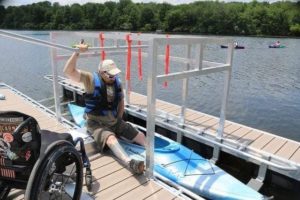
When you find a professional dock builder, ask if they provide annual maintenance packages for your floating dock system, especially if you live in an area where docks need to be removed for the winter months. If they do, it’s a good idea to establish a recurring maintenance schedule.
BoardSafe Docks understands the benefits and impact their floating dock systems offer to communities and park systems. Their inclusive launch is fitted for kayaks, canoes, and SUPS, and gets everyone in the water safely and easily. We know paddlers want close-to-home recreation; safe, easy, and inclusive access to the water; and the ability to connect their families to nature and their local community. BoardSafe’s fishing piers allow their users to enjoy the outdoors safely away from active boat launches and access points. Our floating dock systems for marinas enhance the ability to safely secure vessels in the water, allowing boaters to come onto land for dining and other recreational activities.
To discuss your project and create a water entry site that offers safe and easy access with inclusive and adaptive features, contact us at 610-899-0286 or through our website at BoardSafeDocks.com.
Available Grants for ADA Accessible & Adaptive ADA Kayak Launches
Local nonprofit, state, and federal grants are proliferating to increase outdoor accessibility with adaptive kayak launches and other ADA recreational products.
As many advocates and community groups seek to expand outdoor recreation opportunities and water access for those living with disabilities, or who have mobility challenges, funding and initiatives are becoming available to help secure investments in accessibility. If you are seeking to make your park, lake, river, stream, or other marina location ADA accessible with an adaptive kayak launch or fishing pier, then you may benefit from the following list.
Investing in accessibility can be expensive, but it is worth the time and effort. To help raise money more quickly or help decrease the financial burden on community groups, BoardSafe Docks has created a list of potential grant funding organizations to offset the cost of outdoor accessibility products like an adaptive kayak launch.
Please review the list of organizations and contact them directly to see if your project qualifies. If you know of an organization that could be added to our list, please contact us to submit the information. Together, we can expand the world of outdoor recreation for people of all abilities!
[table id=5/]
BoardSafe Manufactures Marinas, Rowing Centers, Adaptive Launches, Gangways and Bridges
Since 2009, BoardSafe Docks has designed, manufactured, and installed high-quality floating docks, aluminum gangways, pedestrian bridges, adaptive kayak launches, and other marine access products.
Their projects cover a variety of locations including urban projects found in Austin, Dallas, Houston, Philadelphia, Baltimore, Jacksonville, Chicago, Manhattan, and Boston Harbor. They have also undertaken numerous rural projects on lakes, rivers, streams, and coastal environments. Regardless of the setting, BoardSafe’s innovative process to understand clients’ needs and configure their standardized products into a custom solution for each client is a winning formula.
Please watch the following video that highlights how BoardSafe Docks exceeds the expectations of its diverse clientele:
BoardSafe’s experience in construction and manufacturing gives them unparalleled expertise and innovative solutions to address the dynamic conditions of tides, currents, and other water fluctuations ranging from severe flooding to drought conditions. This has made BoardSafe the trusted expert for park directors, civil engineers, landscape architects, and other professionals who desire only the best-engineered and highest-quality aluminum floating docks and launch systems for their rowing centers, marinas, and water access points.
BoardSafe is the trusted expert for Division I rowing programs, regatta centers, and iconic clubs like those along Boathouse Row in Philadelphia.
In fact, BoardSafe’s desire to maximize each user’s ability led to the creation of their adaptive kayak launch products and accessories. They also work with state and local park systems, municipalities, and community groups interested in universal access to their waterfront. BoardSafe also works for numerous smaller venues and community groups.
In 2012, a group of adaptive paddlers partnered with BoardSafe to make a lake accessible for adaptive paddlers. From this collaboration, BoardSafe created numerous adaptive product innovations to empower paddlers to transition safely and easily in and out of their vessels.
Since then, BoardSafe continues to champion adaptive accessibility for waterfronts across the USA. This commitment to education and advocacy has made BoardSafe a leading voice in aquatic recreation accessibility, as well as the manufacturing source for the best-performing and highest-quality launch systems available. With BoardSafe’s expertise in engineering and manufacturing, they were able to expand into aluminum pedestrian bridges to meet growing customer demand.
BoardSafe’s recipe for success is simple—it is all about their process. First, they assess their clients’ individual objectives and evaluate the site conditions for the desired use. This is where BoardSafe Docks’ experience plays a vital role in evaluating the unique physical conditions located at each site. Second, BoardSafe proposes design and engineering solutions to address the requirements of each site and ultimately achieve each client’s project goals. And finally, systematic processes during product manufacturing ensure quality, long-term durability, and performance. BoardSafe’s standardized products are customized into unique configurations to meet and exceed performance expectations.
Simply put, BoardSafe products are designed to meet the requirements of civil engineers, structural engineers, architects, and landscape architects, as well as the wishes of competitive rowers and adaptive paddlers.
BSD understands what investing in this type of recreation means for communities and how they can empower individuals. If you share this vision, call us to discuss your project.
BoardSafe Cosponsors the 2022 SOBA Education & Training Symposium
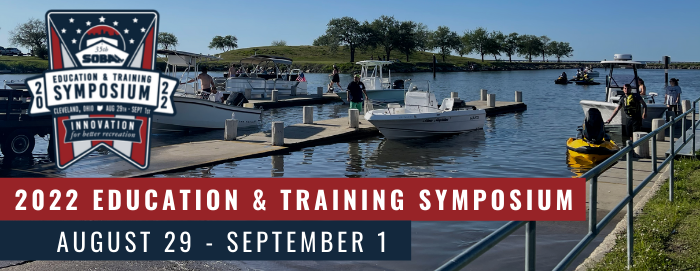
The 2022 States Organization for Boating Access (SOBA) Education & Training Symposium will take place August 29–September 1 in Cleveland, Ohio. The SOBA Annual Conference brings together state boating officials, consultants, engineering firms, manufacturers, suppliers, publishers, and other businesspersons interested in boating access.
Scott Tihansky, Sales and Engineering Director at BoardSafe Docks, will present an education module on "Adaptive vs. Accessible."
The States Organization for Boating Access (SOBA) would like to thank BoardSafe Docks for their platinum sponsorship for this year's SOBA Education & Training Symposium and SOBA Awards Luncheon. BoardSafe Docks is the premier designer, engineer, and manufacturer of aluminum floating docks, adaptive kayak launches, fishing piers, gangways, pedestrian bridges, and collegiate rowing centers. In 2012, a group of adaptive paddlers partnered with BoardSafe to make a local lake accessible for all paddlers. From this collaboration, BoardSafe created numerous adaptive product innovations to empower paddlers to transition safely and easily in and out of their vessels. Since then, BoardSafe continues to champion adaptive accessibility for waterfronts across the USA. This commitment to education and advocacy has made BoardSafe the trusted expert in aquatic recreation accessibility for design and engineering, as well as the manufacturing source for the best-performing and highest-quality launch systems available. Parks directors, landscape architects, marine engineers, and paddlers, seek BoardSafe Docks' products to ensure the inclusion of all abilities and benefit the widest possible range of users. Click here to view the BoardSafe adaptive launch system.
BoardSafe Docks is proud to be a sponsor of this important event as we continue our tradition of advocacy and community education regarding adaptive access for paddlers.
Offer ADA Inspired and Adaptive Accessibility at Your Marina
The Village of Fairport on the Erie Canal recently redesigned its waterfront to improve accessibility for its adaptive paddling community. The Erie Canal Boat Company is proudly equipped with a custom BoardSafe Adaptive Kayak Launch, part of a complete waterfront redesign at its Erie Canal entry point. GPI, the design engineer on the project, sought out BoardSafe Docks for their assistance in developing a design solution for the Fairport Village Boat Launch and Marina.
The initial plan was to provide universal access to the water. The community is proud to be working together to make inclusion happen. Our customer was looking for an adaptive kayak launch that would be placed in an area that rests next to their newly-designed boat ramp. BoardSafe was able to work with the design engineers on their initial concept and came up with a unique design solution.
The adaptive launch system was designed with a concrete trench at the top of the launch and included a bulkhead angle and a related hinge pin that attached to the floating dock system. The space allowed for the pin to be easily installed and removed if necessary and provided a secure attachment of the floating dock system to the concrete wall.

Bulkhead angle attached to launch
The scope of this customized project included an 8-foot-wide gangway that fit into the designated launch space. The kayak chute was designed to be 8 feet in length. The adaptive system included an 8-foot by 20-foot floating dock and Clip-a-Launch 20S (designed for entry from one end). The loading and unloading area was designed to accommodate multiple wheelchairs and is welcoming to adaptive paddling groups. The cost of this project was in the $50,000 range, and it was installed at the location of the Erie Boat Company, Inc., operated by Peter Abele.

8-foot-wide aluminum gangway
The beauty of a project like this is its ability to be used in almost any unused marina slip. BoardSafe Docks will work with its customers to design the floating dock system to any length and width to add these accessibility features to your existing marina. The desirable features of the BoardSafe inclusive launch system are that it offers boaters the ability to kayak, canoe, or SUP, safely and easily from the launch, and serves the widest range of users, from those who are able bodies to those who are in wheelchairs. It will allow your guests another option to see and explore the villages and towns surrounding your marina.
What draws boaters to this marina
The Erie Canal Boat Company is known for its kayak rentals and excursions along the Erie Canal. There are plentiful walking and bike trails along the canal to explore. The boat company offers accessible kayak, canoe, paddleboard, pontoon, and bicycle rentals to people of all abilities. The launch offers universal access for its residents and visitors, making it a popular tourist destination and a solid revenue stream for the town, marina, and businesses located along the canal.
Boaters may dock their boat in one of the marina’s boat slips and use all of the additional recreational opportunities available at the marina. The additional activities beyond boating take visitors to places they may not be able to get to with their boats, and allow visitors to enjoy the sites, both on and off the water.
The BoardSafe Adaptive Kayak Launch supported the Erie Canal Boat Company with its mission and has helped make Fairport an inclusive destination for boaters and paddlers of all abilities. Tourism is on the rise in Fairport, and it’s receiving many praises, being recognized for its ability to provide universal access.
Not far from Fairport, the Village of Brockport also installed a BoardSafe Adaptive Kayak Launch. The adaptive system is located in downtown Brockport along the Erie Canal, and the popularity of the launch has been good for the town as showcased in this link: http://ow.ly/rSEv50IRMIm.
You can learn more about BoardSafe's exclusive adaptive products here.

Take a video tour of the Fairport accessible kayak launch at the link below.
Village of Fairport, NY Accessible Kayak Launch with ADA Features
Contact BoardSafe Docks at 610-899-0286 if you're looking for ideas on making your marina more accessible to your users or for using an existing boat slip to offer an adaptive kayak launch.
How Much Does an Adaptive Accessible Kayak Launch Cost?
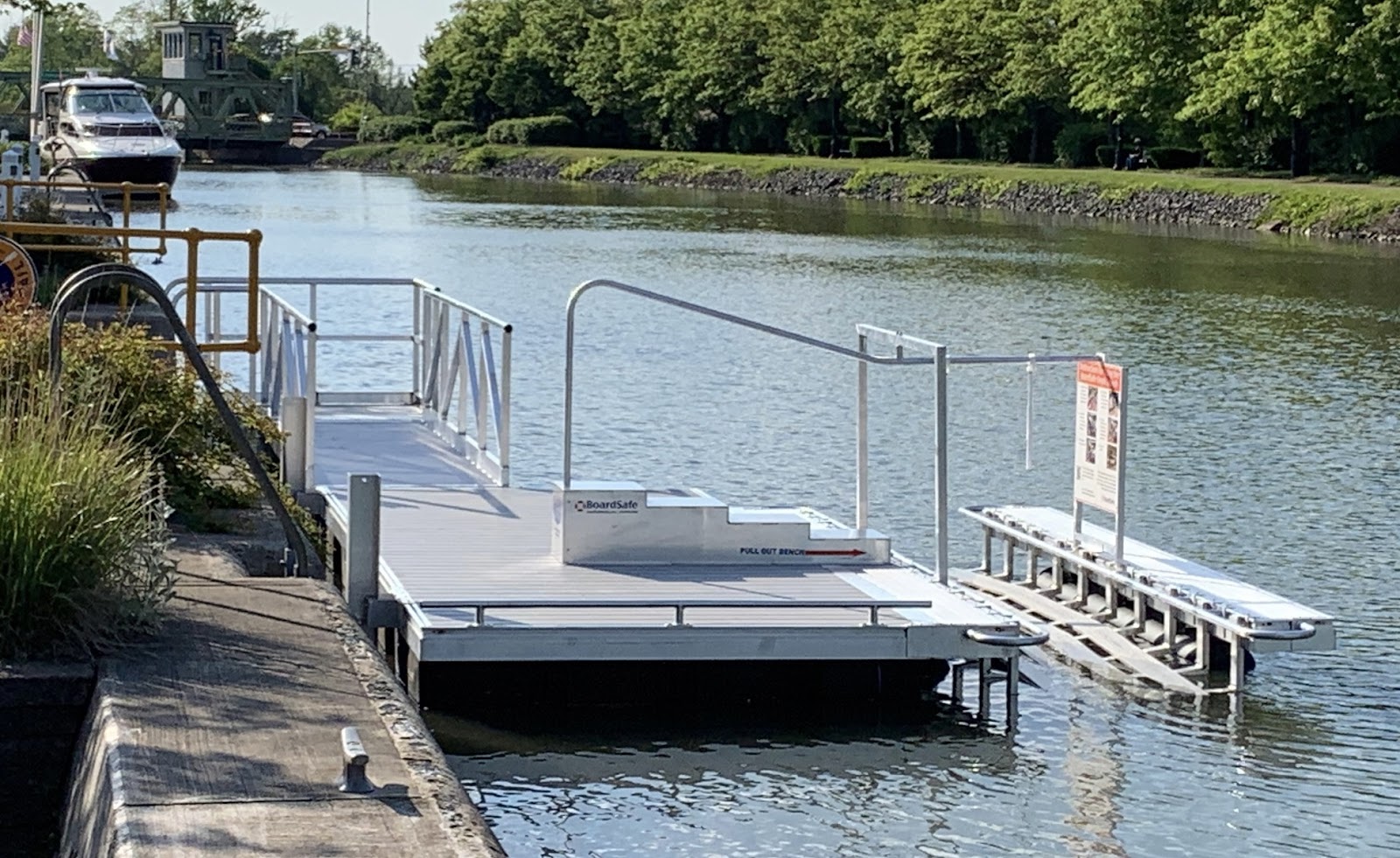
Across the nation, many people — from park rangers to city engineers — are seeking to improve access to their local community’s water and marine features. This is an extension and outgrowth of the Americans with Disabilities Act (ADA), with the objective to provide access for all abilities to all amenities. Access to nature for the disabled has been long overlooked, but now parks, towns, and clubs are clamoring for ADA-accessible picnic tables, bathrooms, and walking trails, as well as adaptive kayak launches.
With any new product, one of the first questions asked is, “How much does it cost?” The appropriate answer is almost always, “Well, that depends!” So, how much does an adaptive or accessible kayak launch cost? The answer is inevitably found within the range of quality, features, and durability. This can mean a few hundred bucks for an accessory to bolt onto an existing wood dock or tens of thousands of dollars for an elaborate commercial-grade adaptive floating kayak launch and dock system.
System vs. Accessory
A quick Google search finds accessibility accessories to attach to existing docks. The less expensive the item, the less utility it offers to those with a disability. Hanging a large hook from an algae-encrusted wooden dock to stabilize a kayak is not helpful to individuals who are unstable on their feet. It may be useful to hold the boat for Grandma or a daredevil teen, but it is not suitable for one with mobility challenges. As the price for those bolt-on accessories increases, so do the engineering and thought put into the design of the part to ensure safe and easy transition in and out of vessels.
An accessory’s usefulness is contingent upon the quality and durability of the existing dock to which it is attached. For example, a BoardSafe Clip-a-Launch can be bolted onto the aluminum frame of an existing rigid or floating dock, and costs a few thousand dollars. Depending on the range of abilities of the users, a Clip-a-Launch alone may not suffice to assist paddlers in and out of boats. A person’s needs may require additional bars, straps, a transition bench, and other adaptive features to enable the paddler to easily enter and exit their craft. These features can be added to an existing dock, and are also sold as a package or full adaptive kayak launch system.
A fully-accessible or adaptive launch system is not an accessory that can be attached to an existing dock. The best option is, depending upon the need, a floating dock, gangway, and other accessories that facilitate water access.
Adaptive Kayak Launch System Features
The gangway must offer an adaptive paddler a way of moving the kayak from the land to the launch area and vice versa. The gangway should have a maximum pitch of 1/12 (meeting ADA slope requirements and features) and a parallel boat chute where the vessel is placed in alignment with the kayak launch.
The chute and launch area should be large enough to accommodate kayaks with outriggers. However, it shouldn’t be too wide or it will create too great a distance between the boarding bench and the cockpit of the vessel.
Ample space on a floating dock As the paddler rolls up to the bench to begin the transition from the chair into the cockpit, sufficient space is required to maneuver the wheelchair, especially if there is more than one adaptive paddler leaving their chairs on deck. The floating dock should also have a toe kick around the perimeter as an added safety feature. This prohibits a wheelchair from accidentally rolling off the dock into the water.
A tiered bench allows the user to easily transfer from the wheelchair. The top step of the bench must be equal to the height of a wheelchair in order for the user to transition from their wheelchair over to the bench. The steps should be minimal in height (approx. 3”) to allow the paddler a small shift from step to lower step.
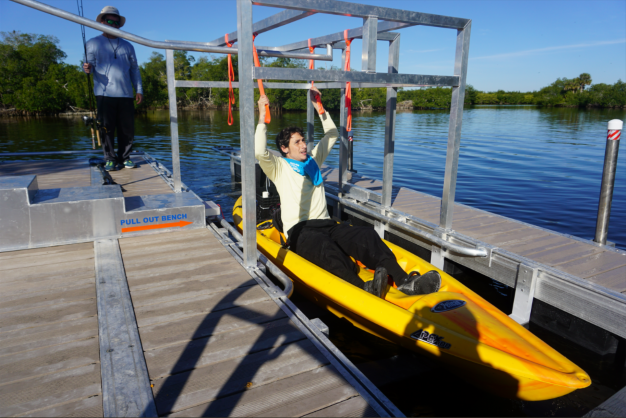
The bench must be equipped with a pull-out seat that slides out over the kayak and directly above the vessel’s cockpit. This allows the adaptive paddler to slide down into the vessel with a limited drop and shimmy himself or herself into their kayak.
The roll cage must provide support for an overhead grab bar as well as optional hand straps. Adaptive paddlers have varied upper-body strengths and varied preferences as they enter and exit their vessel. Some paddlers prefer the grab bar while others prefer the hand straps. There should be no obstructions on either side of the step-down bench, allowing the paddler to choose the side they prefer and are most comfortable using to navigate down the bench.
The pull bars on either side of the launch must be at the right elevation and distance from the paddler, making it comfortable and easy for a disabled paddler to pull himself or herself down the chute and into the water.
Stabilization saddles and launch area Too often, the launch area is sloped and includes rollers. When a kayak, canoe, or SUP, is placed into the launch, gravity will dictate the action of the vessel. If a kayak is not level in the chute, it will roll into the water and will not remain securely in place for the disabled paddler to board or disembark from. Remember, the design needs to accommodate the return of paddlers as well, and rollers can actually make this condition worse because they prevent the vessel from sitting securely and remaining in place. The width of the launch area is also a factor — if it is too wide, it makes it more difficult for a paddler to make their way from the step-down bench in order to transfer into their vessel.
Quality and Durability
With most products, value is inevitably determined through quality products enduring the test of time. Most entry-level accessible kayak launches consist of molded plastic floating docks and accessories with some metal features. While they may not be as aesthetically pleasing or able to survive severe storms, they are an affordable way to test the waters (so to speak), launch a program, and engage new paddlers without a large investment. These launches require regular maintenance and have a short product life. For organizations that desire a high-quality adaptive kayak launch and have the budget to match, a BoardSafe kayak launch system should be considered.
BoardSafe’s entire system has been engineered for paddler performance and product durability. This includes commercial-grade aluminum, stainless steel, weather-resistant and slip-proof composite decking, encapsulated floats, and many other design features that facilitate safe transfer in and out of the water. These systems last for many years and are the preferred products of clients who don’t want to remove the docks in the winter or who have fluctuating water levels or who are susceptible to heavy storms.
Accessible vs. Adaptive
Although often used interchangeably, the terms “accessible” and “adaptive” are distinct and need to be properly understood. In the traditional sense, “accessible” denotes something that is easy to get to, where barriers such as steps have been removed. It can also include features stipulated by ADA guidelines, like a 1:12 gentle pitch, specific height handrails, and alternative handrails. Accessible launches are great for able-bodied kayakers, beginners, children, seniors, and people with minor limitations like joint issues, arthritis, and developmental delays. An accessible launch may even work for a small number of paddlers with moderate disabilities. However, for adaptive paddlers with greater mobility challenges, an accessible launch alone does not meet their full range of needs, and will not get them into the water safely or easily.
An “adaptive” launch is an enhanced accessible launch. Adaptive kayak launches are engineered and designed with features that accommodate paddlers of all abilities. The adaptive kayak launch designed by BoardSafe Docks was created based on the input of physical and occupational therapists and adaptive paddlers. Adaptive kayak launches are feature-rich to empower all users to overcome any mobility challenges.
Value
Many kayak launch buyers determine the value of a kayak launch relative to its ability to assist a number of paddlers over a period of time. Most people are aware that a product that outlasts a similarly-priced product offers greater value. In a similar way, but often overlooked, a product that accommodates a greater number of users will offer more benefit to more people, and therefore be more valuable. Feature-rich adaptive launches could help three or four times the number of users than a standard accessible launch. Each potential buyer needs to calculate this cost of ownership and return on investment. Many buyers go beyond the basic quantifiable measures of determining a kayak launch’s value, because helping those who live with the most severe handicaps is priceless. Some inferior accessible launches keep many with mobility issues from even considering their use, but allow an organization to check off the “ADA” box. On the other hand, those who desire to empower all users — especially those who typically do not enjoy life’s simple pleasure of roaming access — do not equate an adaptive launch’s value to the ROI because helping those in our communities with the greatest needs is, as they say, priceless.
To discuss your project and evaluate BoardSafe’s adaptive kayak launch options, contact us on our website or call 610-899-0286.
The Supply Chain Impact on Floating Docks and Kayak Launches
What This Could Mean for Your Project
The supply chain shortage has affected every business and consumer on the planet—and over the past year or so, we’ve all seen and experienced what happens when it breaks down.
You have probably walked through your local grocery store and seen the empty shelves. Whether it’s toilet paper, paper towels, foodstuffs, or toiletries, the supply chain shortage has also caused havoc with the materials used in manufacturing.
These days, you’re more likely to see shortages of parts, materials, and stuff that makes other stuff, like building materials and mechanical parts. For example, car lots are empty and both new and used car prices keep climbing higher. We’ve all heard about the chip shortage that every car manufacturer is experiencing. Demand has overrun supply, which is unprecedented in the auto industry. The chip shortage has limited the production of every make of automobile.
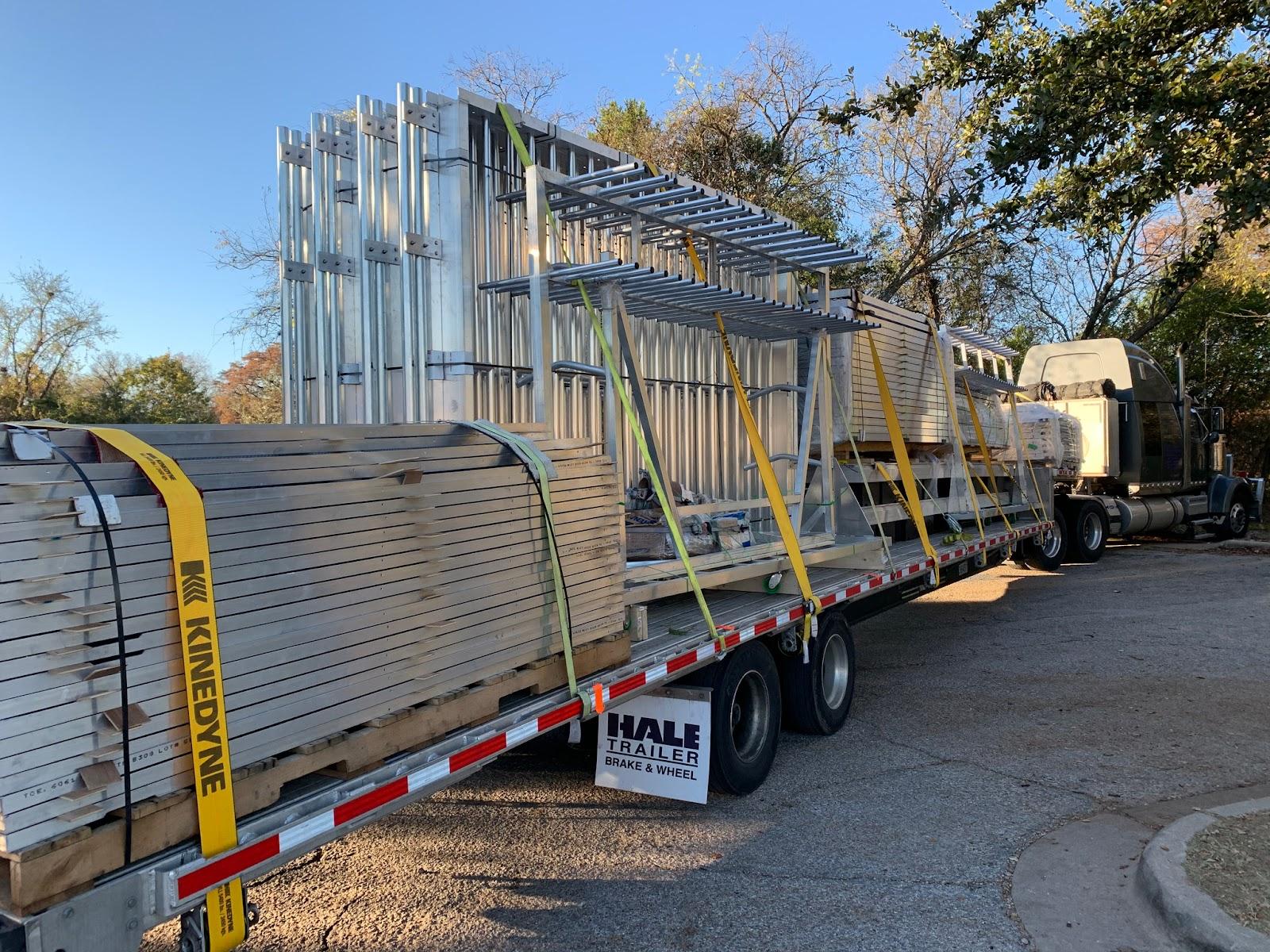
The marine and boating industry has been impacted by the same issues in massive ways as well. This is why BoardSafe Docks wants you to understand how the supply chain may affect the manufacturing and pricing of your kayak launch, marina, rowing center, gangway, or pedestrian bridge. A confluence of two major factors has created a situation for everyone where demand is greater than supply.
- The interest in kayaking, paddle sports, and adaptive recreation has seemed to reach an all-time high as a result of the COVID-19 pandemic. Paddlesports have proven to be a wonderful exercise for the mind, body, and spirit. Paddling is a way for people to be together yet remain safely distanced from each other. Its interest took off when the pandemic was shutting down our world.
- The entire country and every industry is now working through a serious supply chain shortage. Our most critical materials used in the manufacturing and fabrication of our aluminum floating docks, gangways, and bridges, are in high demand with low supply.
For more information and better understanding, keep on reading.
First, let's take a look at the major components of the parts and materials we use in the production of our floating dock systems.
- aluminum
- composite deck lumber
- concrete decking
- plastic encapsulated flotation
- our proprietary extrusions
- protective rub rail trim
- tools used in the fabrication and maintenance of these systems
- and much more
Material shortages have not only stretched out the timetables on many of our projects but they’ve also (unfortunately) made many elements of these projects cost more than originally anticipated. The increase in the cost of these materials has been passed on to us and also our customers.
We wrote this article to help you understand the specific reasons behind the longer timetables we’re experiencing as a manufacturer and to explain the higher costs you might be experiencing in 2022.
All dock manufacturers, including BoardSafe Docks, have been dealing with the same supply chain issues, which we’ll explain in the rest of this article.
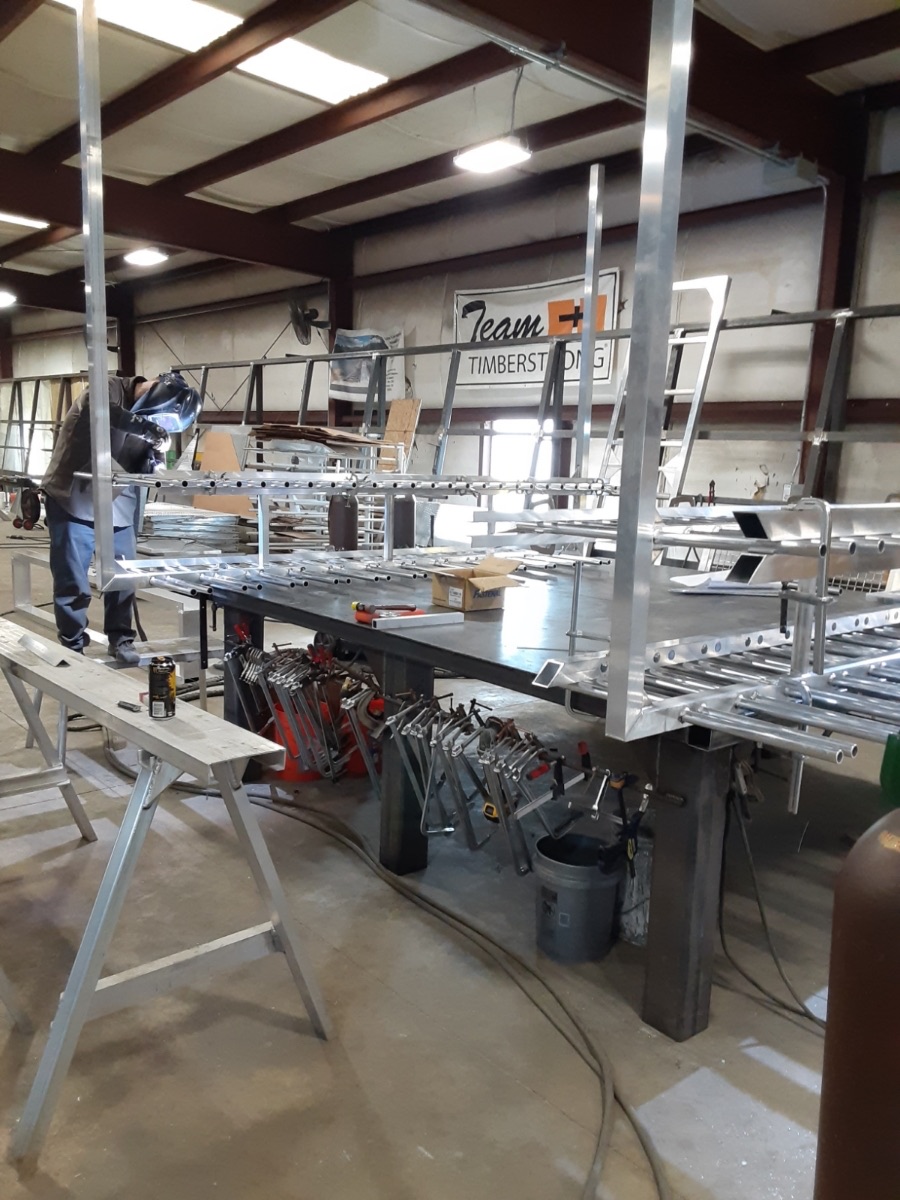
Material shortages and price increases exist in all facets of our production (aluminum, composite and concrete decking, flotation, extrusions, rub rail)
Aluminum, which is used to manufacture a wide range of durable waterfront products, suffered a severe production downturn when the initial lockdowns swept across the world about a year ago. Deliveries of raw aluminum are in short supply and prices for aluminum have been steadily increasing over the past year. To keep our pricing accurate, we’ve been tracking the steady increase in the price of aluminum starting back in 2021. Beginning in January 2021, and up through April 2022, we’ve seen the cost of aluminum increase 75 – 80% over last year’s prices. While inflation has caused prices to rise everywhere as we know them, an 80% increase is shocking to us all.
The reserve aluminum supplies across the USA are depleted. We used to be able to call our aluminum supplier and arrange for a next-day or 2-day delivery. Not anymore.
As a result of the pandemic and material shortages, product delivery of our custom extrusions orders can be as far as 8 months out. Our distributor’s products are stuck out at sea on shipping containers, waiting to be unloaded and delivered across the country. Before the pandemic, we all took the supply chain for granted; we didn’t even think about the logistics industry. The supply chain shortage has changed the way warehouses, manufacturers, trucking companies, and distribution centers, conduct their business. The Wall Street Journal recently noted that aluminum producers are now seeking new avenues to get their hands on scrap metal like old cans.
Composite decking prices have increased by about 25% since January 2021. However, we’ve been very fortunate in that our composite decking supplier has been able to meet our order requests in a timely manner. With decking, our only concern has been the increase in its pricing.
Plastic encapsulated flotations are the floats that are attached under our floating docks and gangways that keep them afloat. From the time of order, we’re now experiencing 8 – 12 weeks in lead time, about 3 months. Flotation has also experienced a 25% price increase since we began tracking these costs.
Rub rail is the rubberized trim attached to the perimeter of our dock systems that serves as the protective guard around our floating docks. Our supplier of this extruded product has informed us there’s about a 12-week (3-month) turnaround for them to get the rubber compounds they use to make the custom extrusions for our systems. The pricing for our rub rail insert has increased by 20% since 2021.
Unexpected disruptions
The COVID-19 lockdown felt like the mother of all supply chain disruptions when businesses were forced to shut down early in 2020. Only those deemed “essential” were allowed to remain open. We’re all paying the costs for it now. Everyone continues to experience the consequences of the pandemic with no real end in sight. Inflation is on the rise and we’ve seen increases in the price of homes, cars, gasoline, and food. Our products are not immune to these increases.
Severe weather, hurricanes, and employment shortages, add to the consequences of the pandemic. Since many of our producers of raw materials are overseas, the shipping standstill has deprived manufacturers of our most critical supplies.
Aluminum is in the middle of the greatest demand surge ever seen or experienced in its industry. This high demand is happening despite its 80% increase in cost. And prices continue to go up without lessening its demand.
What this means for manufacturers and their customers
In short, the market for kayak launches, marinas, gangways, and rowing centers, (with their main material being aluminum), has been hit by the perfect storm of perfect storms. However, we’ve survived the pandemic shutdowns, COVID, employee shortages, weather disruptions, supply chain shortages, and increased pricing for our main materials.
If you look at these events as a whole and look at the big picture, none of us ever imagined we’d experience events like these in our lifetime.
Like other dock builders and producers of goods and services, we’re working as hard as we can to design and manufacture each individualized project that we’ve planned with our customers. The simple reality is that we can’t work any faster if we want to maintain our industry-leading standards that BoardSafe is very proud of. Nor can we overcome supply chain issues and increased costs when they’re simply out of our control — regardless of our desire and efforts to prevent them.
One change we’ve been forced to make as a company regards the bidding and quotes of our marine products. We can no longer hold the price of our bids for longer than 30 days. In the past, when there weren’t drastic changes and increases in the cost of raw materials, our bid remained the bid. While we work hard to keep our prices fair, we must keep a close eye on what we’re paying for materials and their delivery fees.
Educating our customers and communicating these changes are important to us. If at any time you feel you need more information to make an informed decision about your product’s pricing, our sales team is always available to answer your questions.
How customers can help keep our industry moving forward
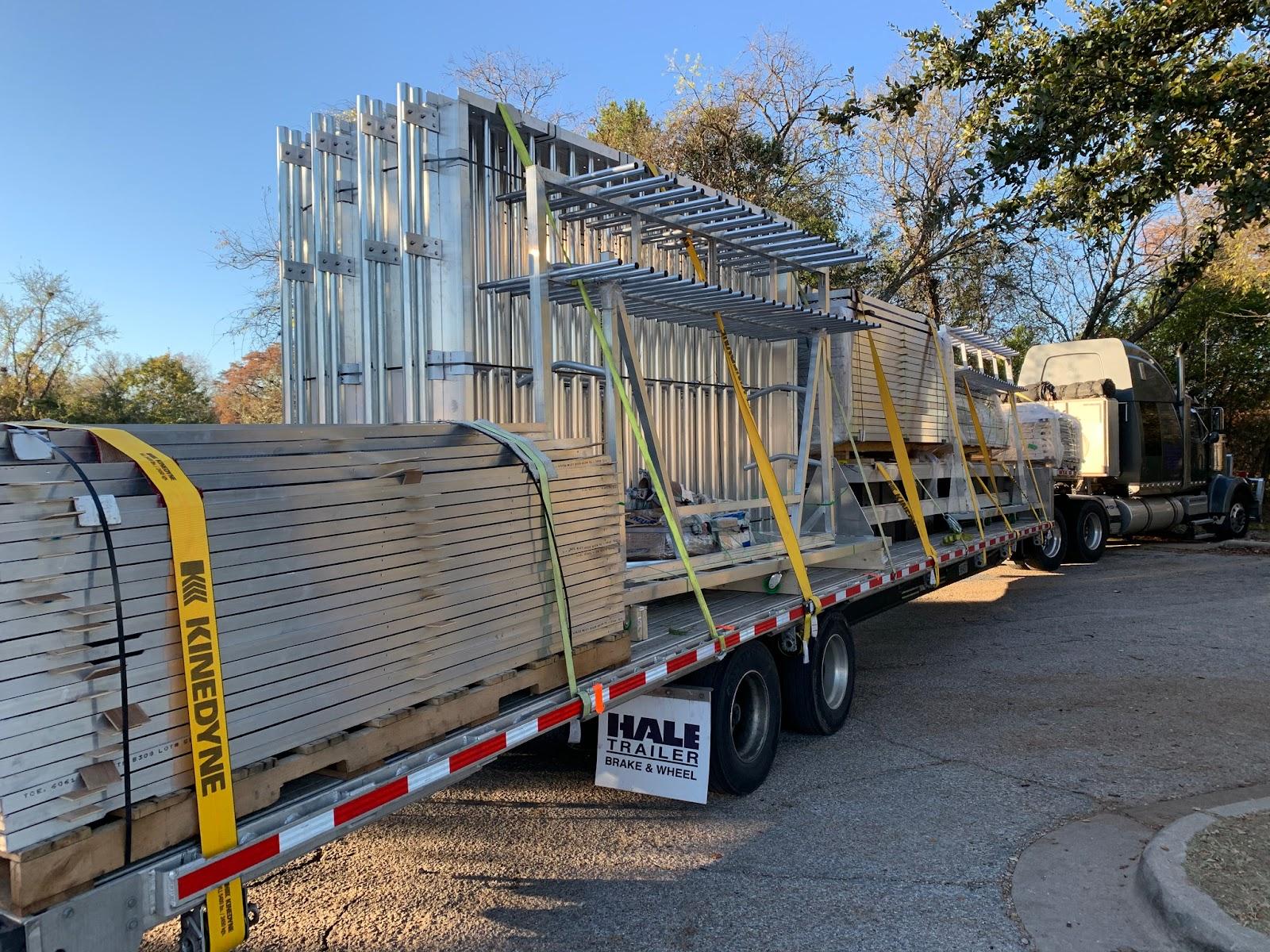
If you're planning to do business with us, we've explained the length of time it’s taking to get our materials for production. The length of time is not something we or any other dock builder can control. Please don’t wait until the last minute to confirm your order with us. There’s a new game in town, and with demand being so much greater than supply, aluminum suppliers are requiring upfront payments for their orders, as well as a customer’s signed purchase order to show evidence that our order is designated to a specific job. You see, demand for aluminum is so high, suppliers do not want to see manufacturers stockpile aluminum like many people were doing with toilet paper, paper towels, and disinfecting wipes in 2020. The price increase of manufacturing materials has also caused material suppliers to proceed with caution to ensure they’re getting paid in a timely manner for the materials they sell.
Working together on payment terms
The deposits we need to pay to material suppliers guarantee our place in line for the raw materials we need to build your job. Our deposit helps keep our supplier’s cash flow flowing. And since we need to pay for your materials in advance of receiving them, a deposit from you on your project is a reasonable request in today’s market. We understand that this can sometimes create hardship for all parties involved. However, due to increased material costs, we want our customers to understand why a deposit and clear payment terms are necessary.
BoardSafe Docks has absorbed a massive increase in up-front costs for all of our jobs. Therefore, our ability to be flexible with our terms has been greatly reduced. Final payment for our projects is expected upon delivery and installation. Our employees need to be paid, our overhead costs need to be satisfied, and our trucking companies and installation teams expect the same courtesy from us. Therefore, we appreciate you working with us to support these terms and prompt payment for the quality products and services that BoardSafe stands behind.
We’ve already entered the spring season of 2022. Kayaking and rowing season is just a few weeks away. We know our customers want their launch, gangway, bridge, rowing center, or marina project, to be installed in a timely manner and ready to go for the approaching summer season.
Every dock builder and manufacturer is doing their best to meet customers' installation wishes. But the obstacles identified in this article will likely continue to affect our entire industry (and many others) for the foreseeable future.
So, whether you’re planning on getting your launch, gangway, pedestrian bridge, rowing center, or marina from BoardSafe Docks, we can only say this:
Let’s keep pushing through this together, with everyone doing what they’re responsible for to get the job completed in a timely manner. BoardSafe offers high-satisfaction products that can improve the quality of life for those who like to kayak, canoe, row, or SUP.
At BoardSafe Docks, we manufacture world-class aluminum-framed floating docks, adaptive kayak launches, rowing docks, marinas, gangways, and pedestrian bridges for our customers all across the USA. If you're shopping around for quality, feel free to take a look at, or request custom pricing through, our website: BoardSafe Docks.com.
BoardSafe News at the Mariners' Museum, Newport News, VA
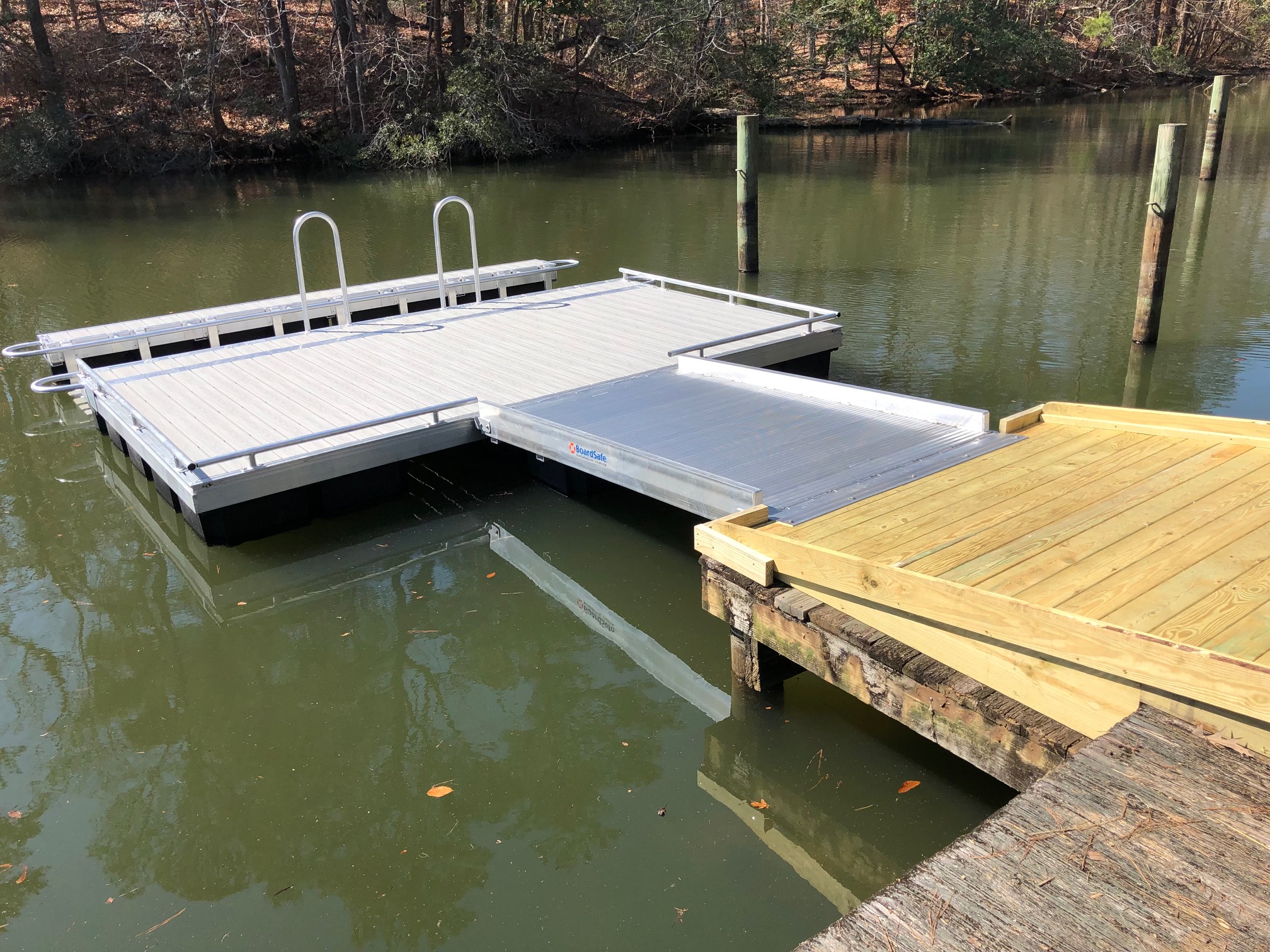
In early March of 2022. the following project was installed at the Mariners’ Museum in Newport News, VA. The client had a fixed pier with steps that lead to a floating dock. The floating dock was removed and a new pressure-treated ramp was installed by the customer on top of the pier, which then provided ADA-compliant egress to the dock. We then added an 8-foot-by-5-foot gangway, 8’ x 16’ floating dock, and Clip-a-Launch 16D (without an adaptive boarding kit). The cost of this project was approximately $27,000.00 (manufacturing only).
Fairport on the Erie Canal Welcomes Adaptive Paddlers
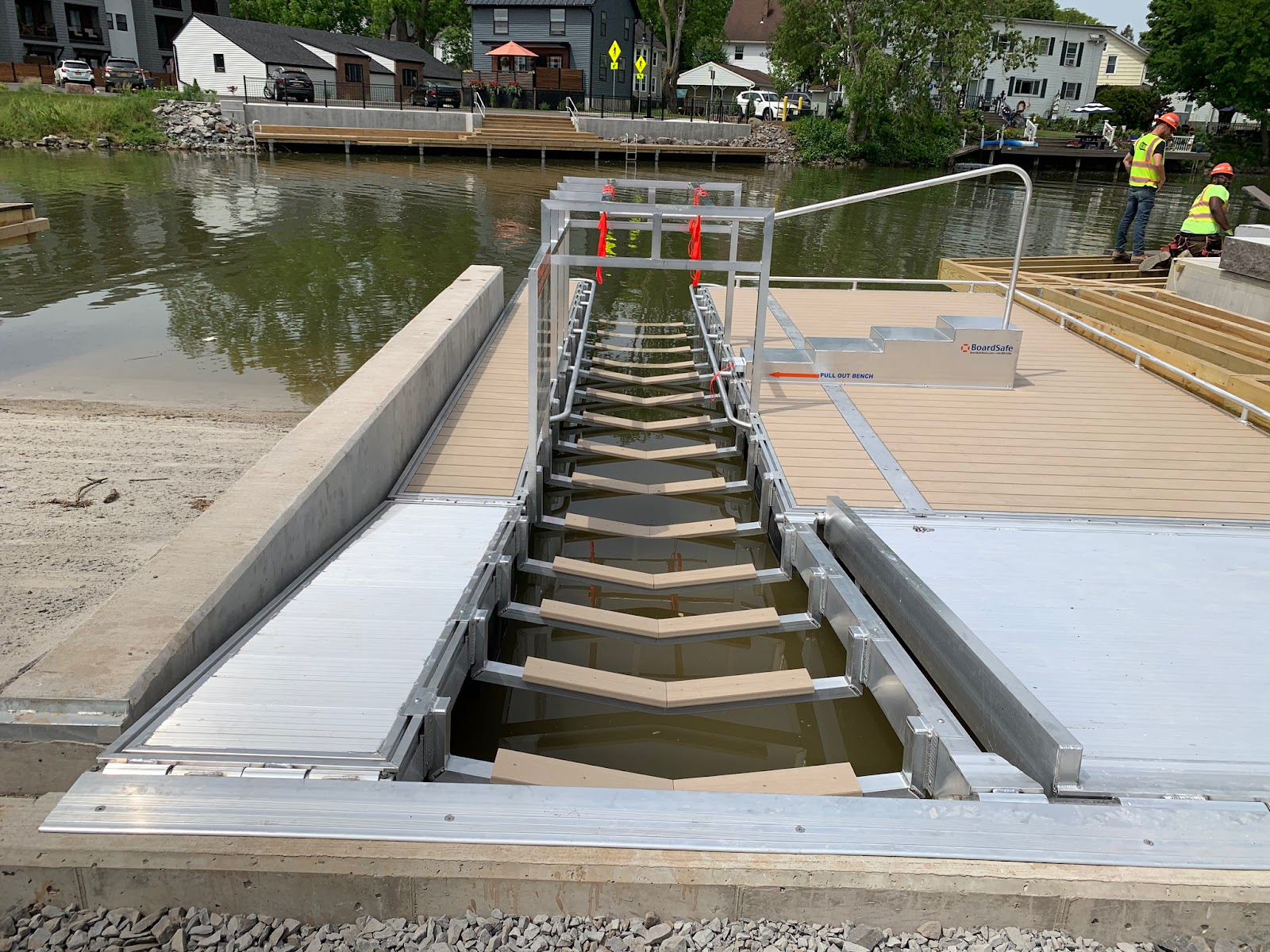
The Village of Fairport is proudly equipped with a custom BoardSafe Adaptive Kayak Launch, part of a complete waterfront redesign at its Erie Canal’s entry point. GPI, the design engineer on the project, sought out BoardSafe Docks for their assistance in developing a design solution that would fit the adaptive launch into a designated space that rests next to their newly-designed boat ramp.
The launch system was designed with a concrete trench at the top of the launch that allowed for the installation of the bulkhead angle and related hinge pin. This space allowed the pin to be removed for an easy installation.
The customized scope of this project included an 8-foot-wide gangway that fit into the designated launch space. The chute was also designed to be 8 feet. The launch included an 8-foot by 20-foot floating dock and Clip-A-Launch 20S (designed for entry from one end). The cost of this project was $50,000 and was installed at the location of the Erie Boat Company, Inc., operated by Peter Abele.
The Erie Canal Boat Company offers kayak rentals and excursions on the Erie Canal and also has associated walking and bike trails along the canal. Their accessible boat company offers kayak, canoe, paddle board, pontoon, and bicycle rentals to people of all abilities.
The Erie Canal Boat Company is a recognized supporter of, and partner with, Rochester Accessible Adventures and the Adaptive Paddling And Cycling Centers (APACC) in the Upstate New York Regions. Together they host accessible paddle days, offer training, equipment, and inclusive programming to transform the Erie Canalway.
Anita O’Brien, Executive Director of RAA, has a mission to ensure that people with disabilities who live or travel in the region have access to equipment and have the ability to enter the water as safely and easily as they deserve. She wants everyone to experience the greatness of the Erie Canalway alongside their family and friends. Anita O’Brien is currently working with BoardSafe to get more of their adaptive launches installed along the canal.
The BoardSafe Adaptive Kayak Launch supported the Erie Canal Boat Company in their mission and has helped make Fairport an inclusive destination for paddlers of all abilities. Tourism is on the rise in Fairport, which is becoming recognized as an inclusive destination. Read more about BoardSafe's exclusive adaptive products here.
Take a video tour of the Fairport accessible kayak launch below.