


Minsi Lake’s Adaptive Kayak Launch and Fishing Piers 1 Year Later
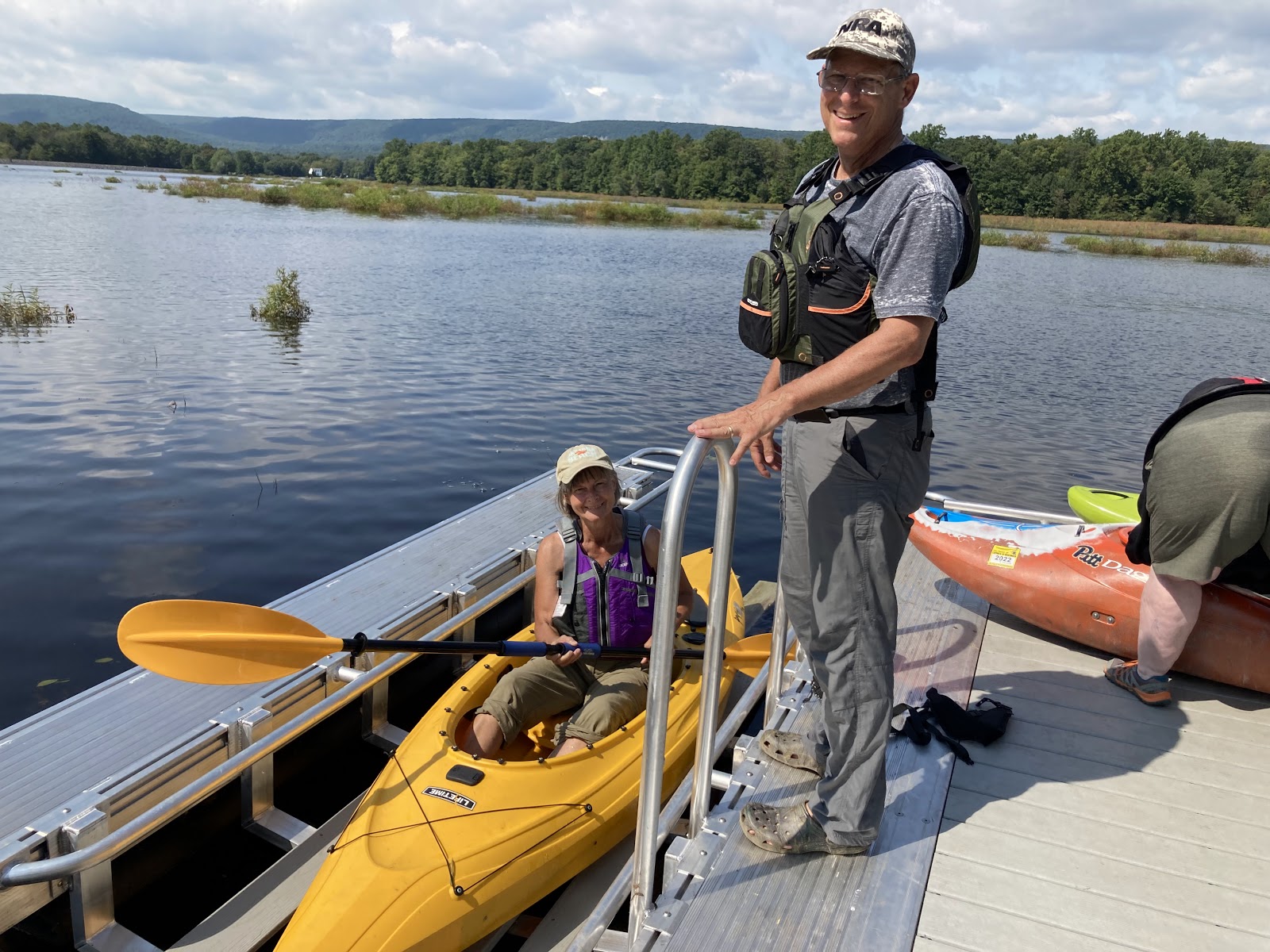
Minsi Lake is a 117-acre reservoir owned by the Commonwealth of PA and leased to Northampton County Parks and Recreation. It’s been part of the county park system since 1975 and is one of only three public lakes in the Lehigh Valley area. The lake was drained in 2017, allowing the PA Fish and Boat Commission to make repairs to the dam and spillway. The park reopened in September 2021 as an accessible and inclusive destination for both kayaking and fishing.
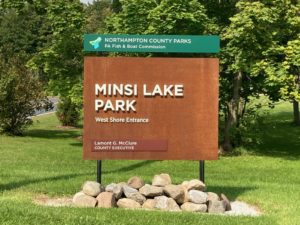
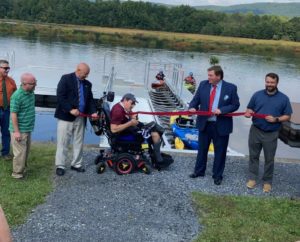
One year ago, a ribbon-cutting ceremony unveiled Minsi Lake’s BoardSafe Adaptive Kayak Launch and Accessible Fishing Piers. Officials recognized and promoted the efforts of many stakeholders supporting the project over the last few years. Promoting the adaptive launch and fishing piers at the ribbon-cutting ceremony were
- Lamont McClure, Northampton County Executive
- Bryan Cope, Superintendent of Parks and Recreation
- Mario Scavello, PA State Senator
- Joe Emrick, PA State Representative
- John Mauser, Friends of Minsi Lake
- George White, Team River Runner
- Scott Tihansky, BoardSafe Docks
- Ken Ryno, Adaptive Paddler and Advocate for Adaptive Kayak Launches
Upon Minsi’s reopening of the lake, the county’s goal was “to make sure everyone had the opportunity to participate in the wonderful outdoor bounties that Northampton County has to offer," said County Executive Lamont McClure.
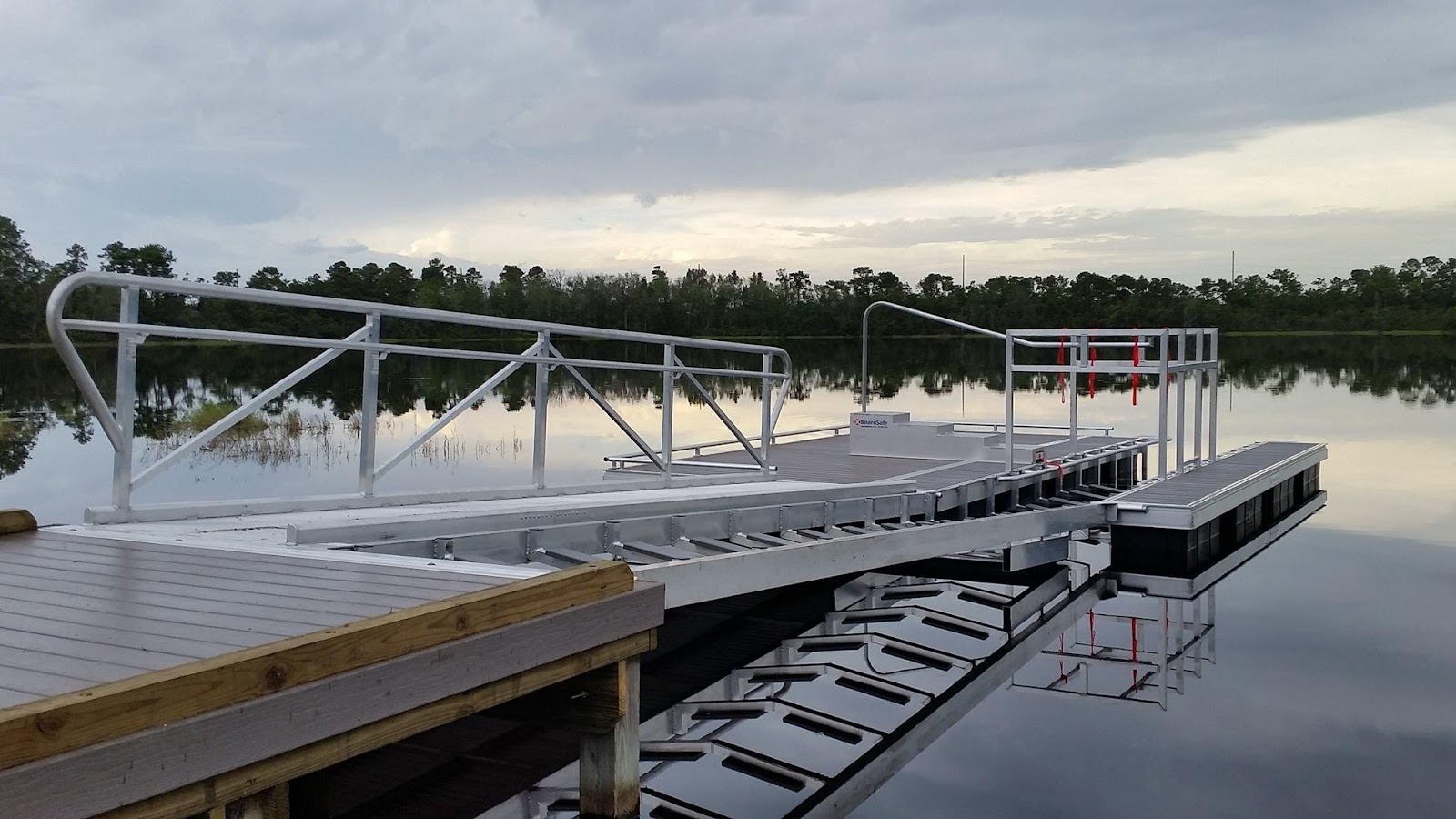
Northampton County Parks and Recreation wanted to bring Lake Minsi back to its original glory and make it accessible for everyone. The adaptive features of the kayak launch work for a wider range of users by offering safer and easier access to the water. Features include a paved pathway from the parking lot to the launch, an ADA-compliant gangway (less than a 1/12 pitch), a protective toe-kick around the perimeter of the floating dock, an adaptive roll cage that includes a 3.5-inch step-down bench, a pullout seat, an overhead grab bar that allows the user to slide down either side of the bench of their preference, optional overhead grab straps to lower oneself into the vessel, a cradle the keeps the kayak level and stable upon entry, and pull bars to enter the water through a controlled entry.
"The aluminum floating dock system installed at Minsi Lake has unique adaptive features that allow for disabled paddlers to safely get from their wheelchair and into a kayak and back out again," said Scott Tihansky with BoardSafe Docks.
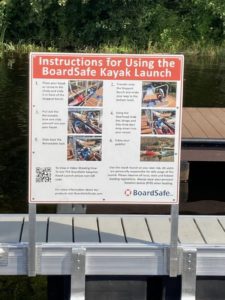
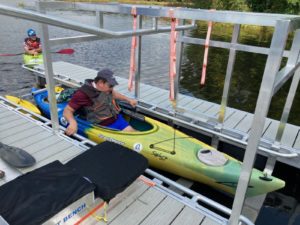
Ken Ryno, an adaptive paddler with Team River Runner and advocate and spokesperson for BoardSafe Docks, promoted the launch’s features. Their relationship began when Ken and a group of adaptive paddlers offered input to BoardSafe’s manufacturing team to identify launch features that are needed and will work specifically for paddlers in wheelchairs.
The continuous advancements in BoardSafe Dock’s adaptive kayak launch have given those with disabilities a sense of normalcy. “When we’re out on the water, we’re like everyone else,” said Ken Ryno, who has enjoyed many years of kayaking on the local lakes. Ken acknowledged that before BoardSafe’s adaptive kayak launch, access to the water was not always easy. It was a struggle and involved a lot of heavy lifting from volunteers to get paddlers in and out of their kayaks and the water. Water access in the past often put the paddlers and volunteers at risk for injury. Adaptive paddlers in the Lehigh and Northampton County regions now have four adaptive launches to choose from: Leaser Lake in Kempton, Beltzville Lake at Preacher’s Camp, Lake Nockamixon at the Tohickon Boat Launch, and Minsi Lake’s West Shore Entrance. The adaptive features found in BoardSafe’s Adaptive Kayak Launch make access to the water safer and easier for all users.
BoardSafe Docks works regularly with adaptive paddling groups, veterans groups, parks and recreation departments, governmental leaders, landscape architects, and design engineers looking to make their waterfronts accessible to all. While the launch system is designed with adaptive paddlers in mind, it creates safer and easier access for novice paddlers, children, and paddlers with joint and mobility issues looking for an easier way in and out of their vessels. The features and stability offered by BoardSafe’s Adaptive Kayak Launch are truly a model for universal access to the water.
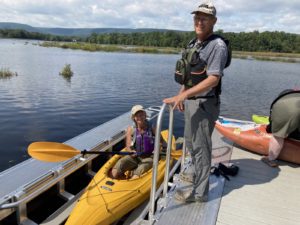
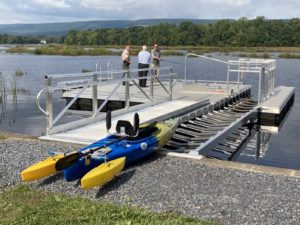
Kayaking isn’t the only attraction at Minsi Lake’s accessible park. Kayak fishing and fishing from the two accessible fishing piers are other popular attractions at the park.
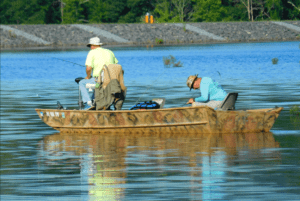
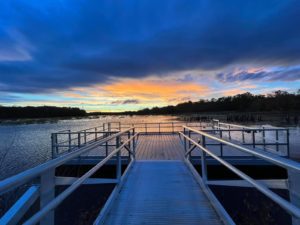
The Friends of Minsi Lake’s Facebook page displays a never-ending trail of artistic photography that parkgoers see when visiting the park. The Facebook link boasts pictures of birds, wildlife, breathtaking scenery, and people enjoying nature and using the lake’s fishing and paddling opportunities. The photos demonstrate just how much the county’s investment in the park is appreciated and valued by its visitors. Its impact is astounding and a model for other park systems to follow. To view more pictures of the lake, click on the link below:
facebook.com/groups/1907344179400749/?ref=share
Below are just a few of the photographs showing the year-round beauty of the lake. The lake and its amenities are an asset to the PA Fish and Boat Commission and Northampton County. One year later, the stakeholders involved in Minsi’s renewal recognize that it was well worth the efforts to bring the lake and park back to life. Lake Minsi has become a local treasure that is used year-round and will be for generations to come.
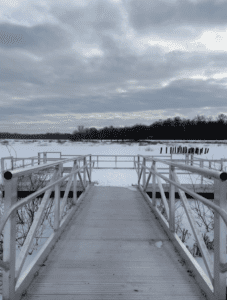
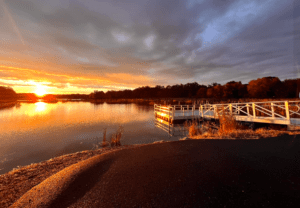
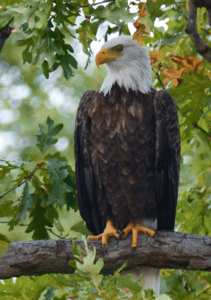
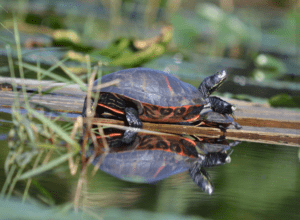
Jim Wilson, the Recreation Specialist for Northampton County, explains in this link how BoardSafe’s adaptive kayak launch and accessible floating aluminum fishing piers came to fruition at Minsi Lake and offer access to all community members, regardless of their physical abilities.
Minsi Lake ADA Floating Docks and Accessible Kayak Launch
BoardSafe Docks understands the benefits and impact their adaptive launch system offers communities and park systems. Their inclusive launch is fitted for kayaks, canoes, and SUPS, and gets everyone in the water safely and easily. It is evident that paddlers want close-to-home recreation; safe, easy, and inclusive access to the water; and the ability to connect their families to nature and their local community.
Universal access is key to any program’s success. All too often, accessible docks are built to minimum standards and do not take into consideration the needs and abilities of the disabled paddlers using the launch system. BoardSafe Docks seeks continuous input and feedback from paddling groups and end users, making BoardSafe an industry leader in the design and manufacture of an all-inclusive launch system with specific adaptive features that will work for the widest range of users.
To discuss your project and create a water entry site that offers safe and easy access with inclusive and adaptive features, contact us at 610-899-0286 or through our website at BoardSafeDocks.com.
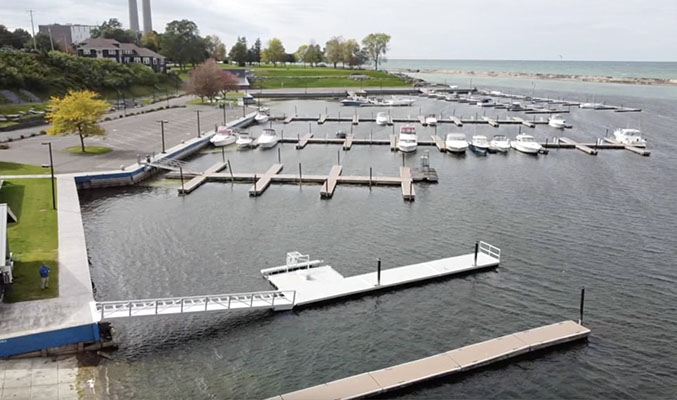
New Accessible Adaptive ADA Floating Dock and Launch Access at Wright's Landing Marina in Oswego, NY
In September 2022, the City of Oswego, NY, installed a new adaptive kayak launch, floating dock, and gangway at Wright's Landing Marina. Wright’s Landing is a popular boating destination that provides access to Lake Ontario's prime salmon fishing waters. The launch offers universal accessibility similar to those required by the ADA to ensure that everyone in the community can enjoy paddling outdoors.
The project was competitively bid and BoardSafe was chosen based on their products’ structural durability and best-in-class adaptive features. This was important because the eastern shores of the Great Lakes are subject to strong winds and pounding waves. BoardSafe was hired to design, fabricate, and install the project. The BoardSafe engineers incorporated two existing pilings that were in place from a previous dock, and the gangway was attached to the existing seawall using the BoardSafe bulkhead mounting kit. The floating dock was also designed so power boats can approach it from the side of the concrete boat ramp, while kayakers safely use the opposite side for launching.
The components of the project include:
- 40-foot aluminum gangway and a 40-foot kayak chute
- 60-foot floating dock secured with 2 existing piles
- standard BoardSafe Adaptive Kayak launch
- aluminum gangway attached to the existing seawall using our standard bulkhead mounting kit
Please watch a brief video below, highlighting the installation.
For more information and project profiles, visit BoardSafeDocks.com.
Accessible Boat Launch Helps Disabled Get on the Water in Canton, NY
Kayaking on the open water can be freeing, but for those with disabilities, it can be limited and frustrating.
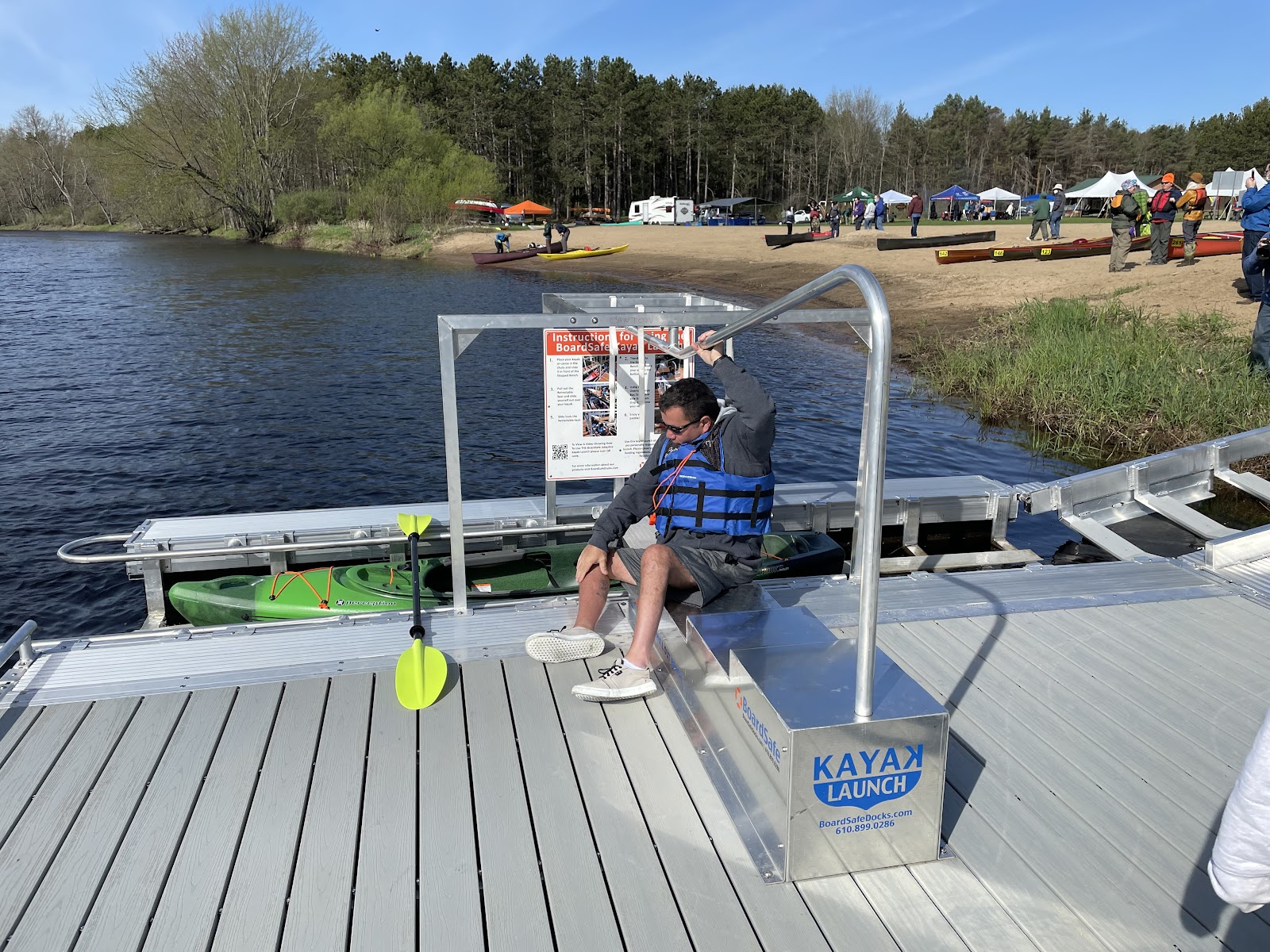
The Grasse River in Canton, New York, is a favorite spot for kayakers and other paddlers, but until now, it was difficult for adaptive paddlers to enter and exit their craft. In April 2022, BoardSafe Docks and the leaders and concerned non-profits changed all that.
Although there are other ADA-compliant boat launches in the area, the unique BoardSafe kayak launch makes it possible for adaptive paddlers to enter and exit their craft safely by themselves.
For more information about how meaningful and freeing BoardSafe's kayak launch has become in Canton, watch this TV report:
wwnytv.com/2022/09/02/accessible-boat-launch-helps-disabled-get-water
Read more about BoardSafe's adaptive products here.
https://boardsafedocks.com/products/difference-between-adaptive-accessible/
Ames, Iowa, Increases Accessible Amenities at Ada Hayden Heritage Park with a BoardSafe Adaptive Kayak Launch
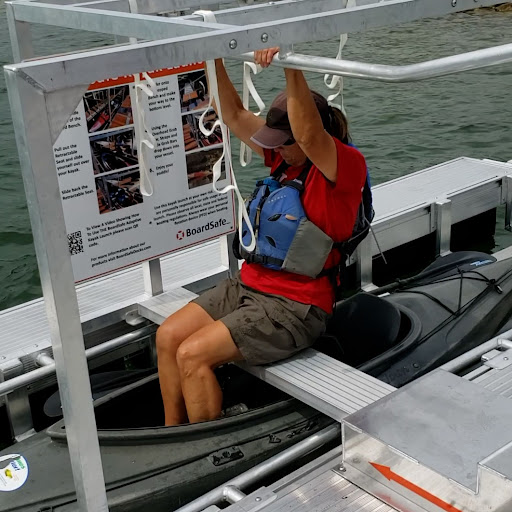
The Ada Hayden Heritage Park, located at 5205 Grand Avenue in Ames, Iowa, just announced the addition of another accessible amenity to its beautiful park. The mayor, city council, Parks and Recreation Commission, and city staff, are pleased with the addition of a BoardSafe Adaptive Kayak Launch. This additional amenity adds to the endless recreational opportunities already available at the Ada Hayden Heritage Park. Additional park amenities can be found in the link below:
Ada Hayden Heritage Park | Search All Parks & Facilities | City of Ames, IA
The lake already has a reputation as "a great place in Ames for Kayaks,” and now with their newly-installed adaptive kayak launch, it will be even better. The launch provides adaptive paddlers, including those in wheelchairs or experiencing mobility issues, a safer and easier transition into their canoe or kayak because of the stability and adaptive features it offers to all paddlers.
The city has been planning for the launch since last year, and has done an amazing job seeking and gaining the community’s support for the park's additional accessible amenity.
The adaptive kayak launch project was funded by the city’s Capital Improvement Plan funds, and over $36,000 in grants and fundraising donations through Access Ada Hayden.
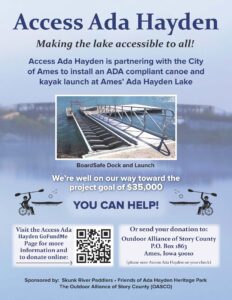
A significant portion of the funds for the kayak and canoe launch was donated directly by Ames athletes and local sponsors. They were happy to contribute to a project that would improve access for everyone and improve the Ada Hayden Heritage Park.
Access Ada Hayden was a joint effort among the Skunk River Paddlers, Friends of Ada Hayden Heritage Park, the Outdoor Alliance of Story County, and JAX Outdoor Gear. The money they were able to raise through fundraisers and donations is evidence of the support the city of Ames has from their community. “We started looking at the accessible dock and launch systems early in 2019 to make the lake accessible to all,” said Rick Dietz, a member of the Skunk River Paddlers and primary contact for Access Ada Hayden.
JRM Construction, of Ames, Iowa, was selected to complete the site and concrete work and began excavating around the second week of August 2022. Once the site work was completed, the city’s maintenance staff was able to accept the launch from BoardSafe Docks, who designed, engineered, and manufactured the custom-designed launch. City staff from the Public Works Department received instructions on the easy assembly and installation of the floating launch system.
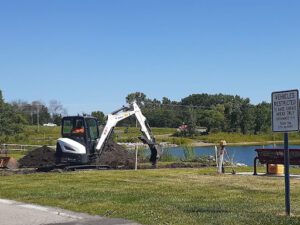
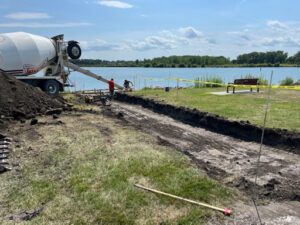
Joshua Thompson, Ames Parks and Facilities Superintendent, was present for the installation and described the accessible kayak launch as “very easy and straightforward to install.” He said the launch was incredible and well made and offered compliments to BoardSafe Docks for the quality of the kayak launch.
The Board Safe Adaptive Kayak Launch features an aluminum floating dock, an ADA-compliant gangway, and an adaptive kit with specific adaptive features that allow paddlers in wheelchairs the opportunity to enter their kayak safely and easily. The kayak launch cradle stabilizes the canoe or kayak as one enters, and the step-down bench, overhead grab bar, optional grab straps, and grab rails accommodate people with a wide range of physical limitations. Here is an informative video of an adaptive paddler using the launch independently.
“One of our goals in improving our recreational amenities is to ensure all residents can enjoy being outdoors,” said Ames Parks and Recreation Director, Keith Abraham. “We continue to seek ways to expand parks, facilities, and programs to be inclusive, and we encourage everyone to explore our offerings and share ideas with us for new options.”
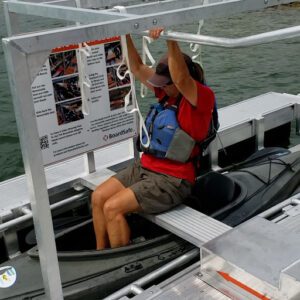
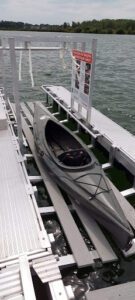
Watch a demonstration of Ada Hayden’s new launch:
The Ames Parks and Recreation Department manages 38 parks and offers approximately 180 athletic, aquatic, instructional, and wellness programs to residents of the Ames community. Indoor programs are provided year-round at the Community Center and Ames/ISU Ice Arena.
For more information, visit the Ames Parks and Recreation homepage at amesparkrec.org.
The City of Ames has won numerous awards over the years for being a progressive and innovative city. These awards highlight the wonderful aspects of Ames that residents have enjoyed for years. They are known for a stable economy, friendly people, beautiful parks, great shopping, quality schools, growing cultural and entertainment venues, comprehensive healthcare, and acres of recreational opportunities that are available during every season. Throughout Ames, there is evidence of growth, commitment to the environment, and quality of life. Ames is located centrally and conveniently in the heart of Iowa and the Midwest. Iowa State University is located in Ames.
Ames has the feel of a small town but the heart of a big city. Their population is a little more than 65,000. It offers cultural, recreational, educational, business, and entertainment amenities more common in bigger cities. As a growing city, Ames continues to focus on building a strong community filled with opportunities for all. The slogan they’ve become known for is Ames, Iowa, the Smart Choice!
Since 2020, Ames has received many awards and recognition for its progressiveness and improvements:
- #1 River Town of the Year (Iowa Rivers Revival, 2021)
- #1 in the 10 Best States to Retire in 2021 (MoneyRates, 2021)
- #2 - "State Parks That Rival National Parks" (Livability, 2021)
- #5 - "Best Iowa High Schools" (U.S. News & World Report, 2021)
- #21 Most Livable College Towns (SmartAsset, 2021)
- #22 - "Top Cities for Shorter, Better-Paid Hours" (RewardExpert, 2021)
- #37 - "Best Small Cities for Small Businesses" (Go.Verizon, 2021)
- #1 - "10 Best States to Retire in 2021" (MoneyRates, 2021)
Ames Parks and Recreation Department invites the community to a ribbon-cutting ceremony for the new accessible kayak/canoe launch recently installed at Ada Hayden Heritage Park. The event will be held at 5:30 p.m. Wednesday, Sept. 21, at the north side of the lake at 5205 Grand Ave.
The Parks and Recreation Department is hoping the community stakeholders who offered financial support for the launch will attend the ribbon-cutting ceremony and find the adaptive features a welcome amenity for entering and exiting kayaks. For those using the launch, please post more pictures to the Access Ada Hayden Facebook page, and share with others how these features help enhance the user’s kayaking experience and so spread the word about the adaptive launch.
Click here to read about other BoardSafe Adaptive Kayak Launches:
- Lake Loramie State Park, OH, Installs Accessible Kayak Boat Launch - BoardSafe Docks
- Minsi Lake Wilderness Area, PA, Proud of Their New ADA-Accessible Kayak Launch - BoardSafe Docks
- Mandarin Park Adaptive Kayak Launch
Communities who are looking to increase accessibility for all paddlers and are considering adding an adaptive kayak and canoe launch to their local lake or stream should click here for more information:
Since every site location and application is just a little bit different, BoardSafe Docks has become the industry expert in location selection, site work, design, engineering, manufacturing, and installation of floating docks, piers, and adaptive kayak and canoe launches.
To discuss your project and learn more about BoardSafe Docks, our specific adaptive features that work for the widest range of users, our durable and long-lasting construction, and long-term maintenance suggestions, please call us at 610-899-0286 or contact us at BoardSafeDocks.com.
BoardSafe Cosponsors the 2022 SOBA Education & Training Symposium
The 2022 States Organization for Boating Access (SOBA) Education & Training Symposium will take place August 29–September 1 in Cleveland, Ohio. The SOBA Annual Conference brings together state boating officials, consultants, engineering firms, manufacturers, suppliers, publishers, and other businesspersons interested in boating access.
Scott Tihansky, Sales and Engineering Director at BoardSafe Docks, will present an education module on "Adaptive vs. Accessible."
The States Organization for Boating Access (SOBA) would like to thank BoardSafe Docks for their platinum sponsorship for this year's SOBA Education & Training Symposium and SOBA Awards Luncheon. BoardSafe Docks is the premier designer, engineer, and manufacturer of aluminum floating docks, adaptive kayak launches, fishing piers, gangways, pedestrian bridges, and collegiate rowing centers. In 2012, a group of adaptive paddlers partnered with BoardSafe to make a local lake accessible for all paddlers. From this collaboration, BoardSafe created numerous adaptive product innovations to empower paddlers to transition safely and easily in and out of their vessels. Since then, BoardSafe continues to champion adaptive accessibility for waterfronts across the USA. This commitment to education and advocacy has made BoardSafe the trusted expert in aquatic recreation accessibility for design and engineering, as well as the manufacturing source for the best-performing and highest-quality launch systems available. Parks directors, landscape architects, marine engineers, and paddlers, seek BoardSafe Docks' products to ensure the inclusion of all abilities and benefit the widest possible range of users. Click here to view the BoardSafe adaptive launch system.
BoardSafe Docks is proud to be a sponsor of this important event as we continue our tradition of advocacy and community education regarding adaptive access for paddlers.
MetroParks of Butler County, OH, Opens ADA-Compliant Kayak Launch
MetroParks of Butler County, Ohio, and BoardSafe Docks, completed construction of an ADA-compliant adaptive kayak launch at the VOA Lake at Voice of America MetroPark, which is now open for public use. In 2020, MetroParks was awarded a $75,000 Paddling Enhancement Grant from the Ohio Department of Natural Resources (ODNR) to build the adaptive kayak launch on the lake, located on the north side of the MetroPark.
$500,000 in ODNR Paddling Enhancement Grant funding was available statewide, and MetroParks was one of the few organizations that qualified for funding in 2020. The grant program identified meeting the needs of people with disabilities as a priority in determining which projects to fund.
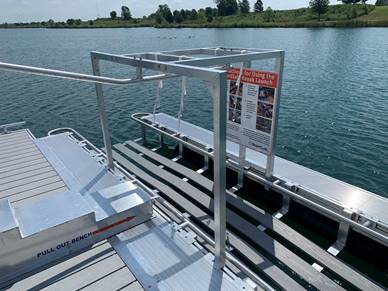
VOA’s new kayak launch uses a series of ramps, handrails, and platforms to assist those with varying mobility needs to launch canoes, kayaks, and other hand-powered watercraft into the VOA Lake. A gently-sloped ramp provides a sturdy avenue for people who use wheelchairs, walkers, and other mobility devices to access the floating dock. Once on the dock, individuals can place their boat in an underwater saddle that securely holds the watercraft in place while the boater uses an overhead support to lower themselves safely into their boat.
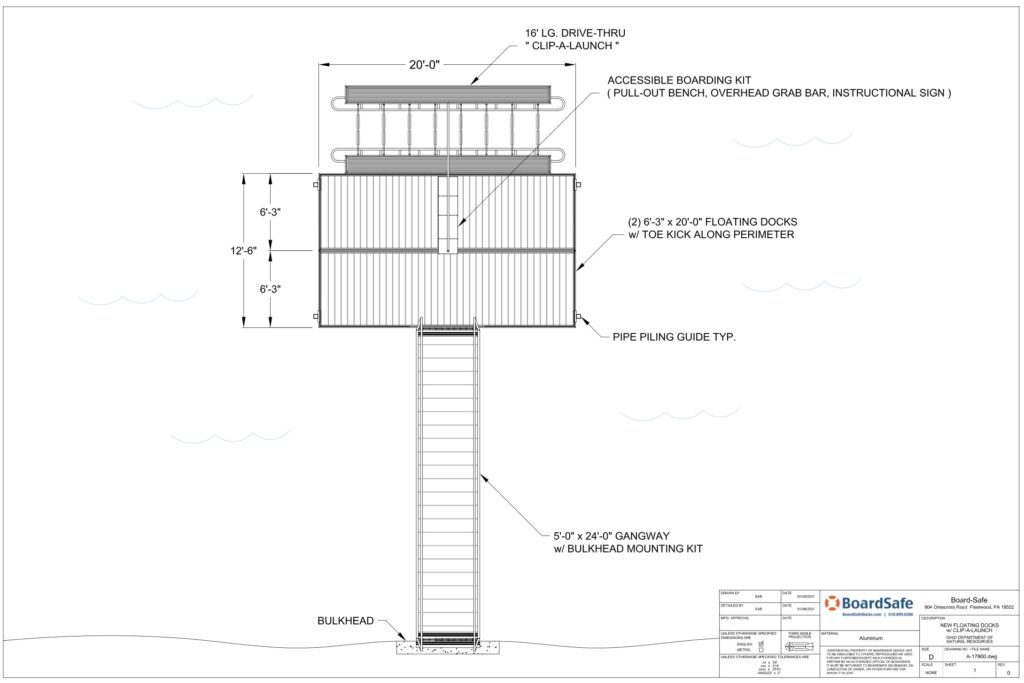
The project included the following items:
- 5’ x 24’ Gangway
- Two (2) 6’ x 20’ floating docks
- One (1) Clip-A-Launch 16D
- Adaptive Boarding Kit
- Bench with pull-out seat
- Overhead Grab Bar with straps
- Instructional sign
[metaslider id="7952"]
For more information about BoardSafe Docks' adaptive products and installations, click here.
Flotilla at Beaver Creek, TN, Enjoys 2 BoardSafe Adaptive Kayak Launches
What an amazing day of paddling the Beaver Creek Kayak Club created for their local community on Saturday, May 14, 2022, at their 5th annual Flotilla sponsored by First Bank. A passionate group of kayakers and a very long list of community stakeholders and volunteers also accomplished something for their community far beyond their successful Flotilla.
Charlie Austin, president of the Beaver Creek Kayak Club, played a substantial role in building the club to almost 3200 members who support the club’s efforts.
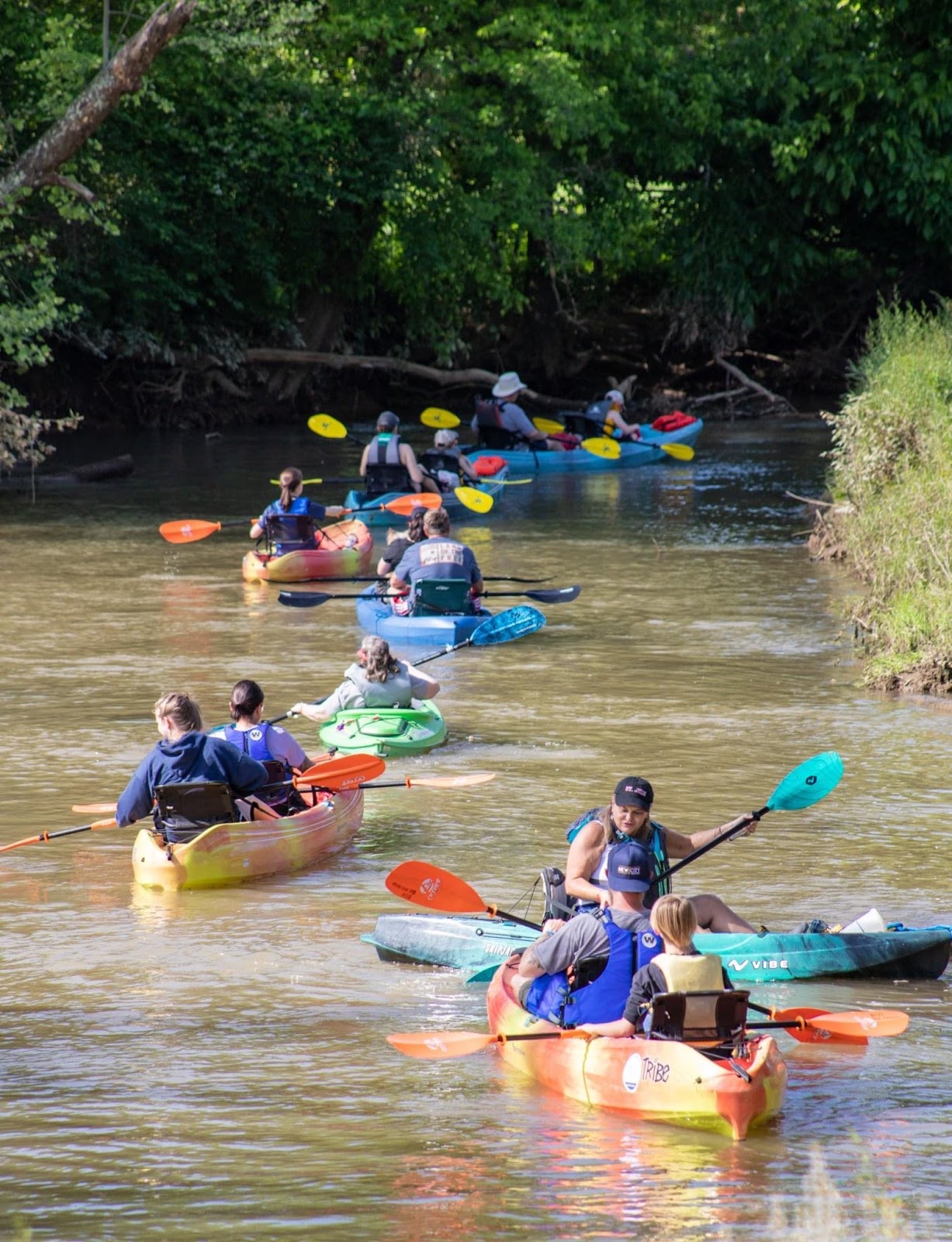
At the kickoff to the day’s events, Charlie Austin exuded enthusiasm and graciousness for the overwhelming community support they received. He asked for a show of hands to gauge how many paddlers were local to the Powell and Karns communities, where two BoardSafe Adaptive Kayak Launches have been installed. The inclusive launches are located in Powell behind the high school and in Karns at the Roy Arthur Stormwater Park. The accessible launches are 6 miles apart on the picturesque Beaver Creek. Paddlers completed the 6-mile paddle in about 3.5 hours and enjoyed some beautiful nature and sites along the way.
.
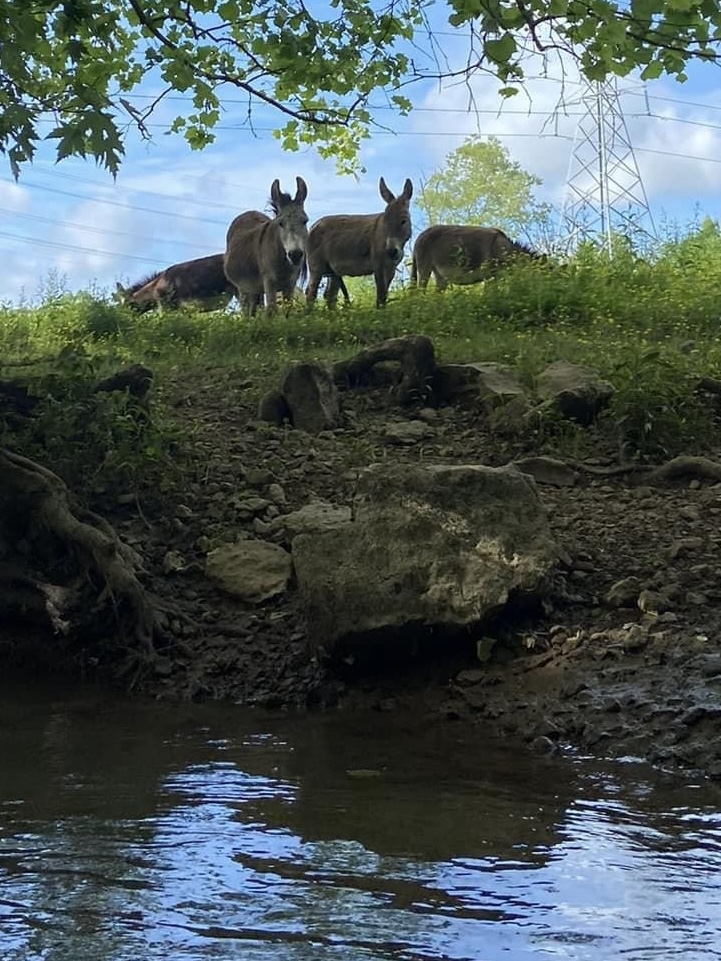
Charlie asked the attendees to raise their hands if they were from outside the Powell and Karns communities. Almost half of the attendees put their hands in the air. With such an enormous turnout to the flotilla, it was evident the paddlers want what Charlie has created for his devoted community: close-to-home recreation; safe, easy, and inclusive access to the water; the ability to paddle the picturesque Beaver Creek; and a desire to connect with their community.
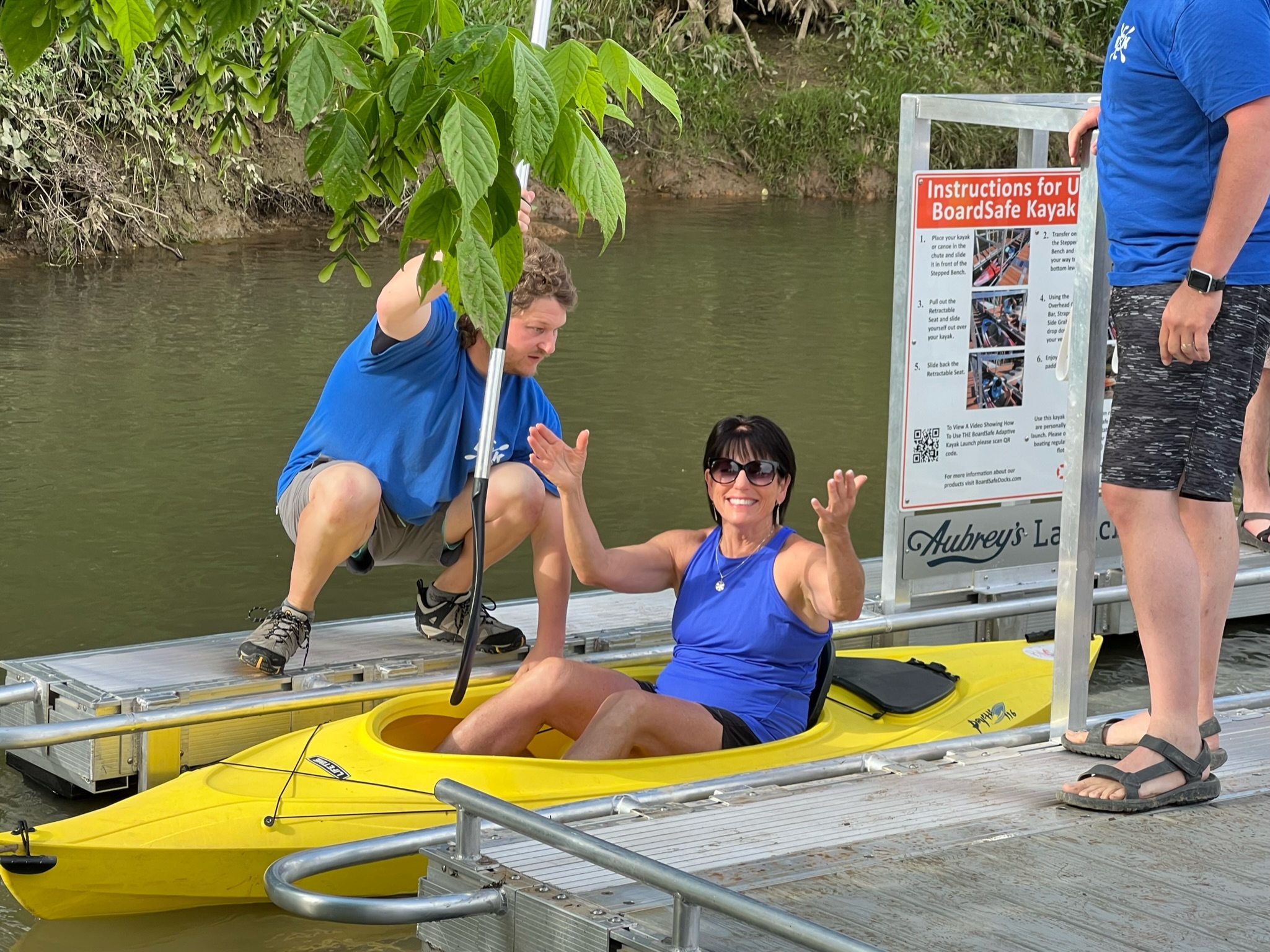
The installation of two BoardSafe Adaptive Kayak Launches has provided all that and a fun day of paddling that included everyone. “If you build it, they will come,” is a common theme where BoardSafe launches are installed. BoardSafe’s Adaptive Kayak Launches are designed for the widest range of users: young and old, novice and experienced, those who are physically able, those with limited mobility, and even paddlers in wheelchairs. The launch has been designed with the help of Ken Ryno, a C-5, C-6 paraplegic, and input from other adaptive paddlers who enjoy the freedom and independence they gain on the water. Here is a video of Ken entering his kayak independently:
The Most Accessible Adaptive Kayak Launch
The inclusive launch is fitted for kayaks, canoes, and SUPS, and gets everyone in the water safely and easily. Saturday’s flotilla connected families with each other, connected families to their community, and connected communities with other communities. The flotilla was clearly a win-win event!
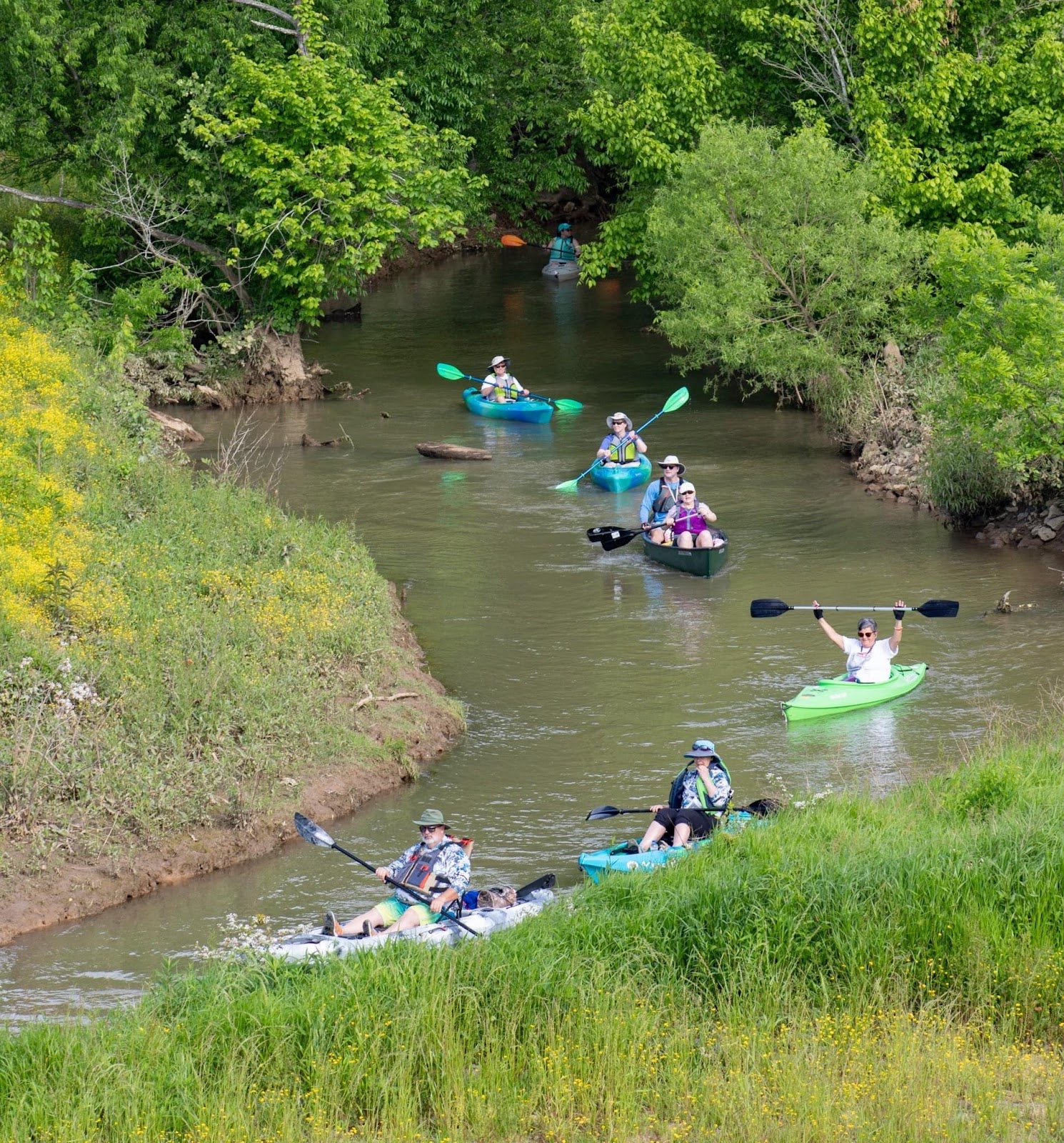
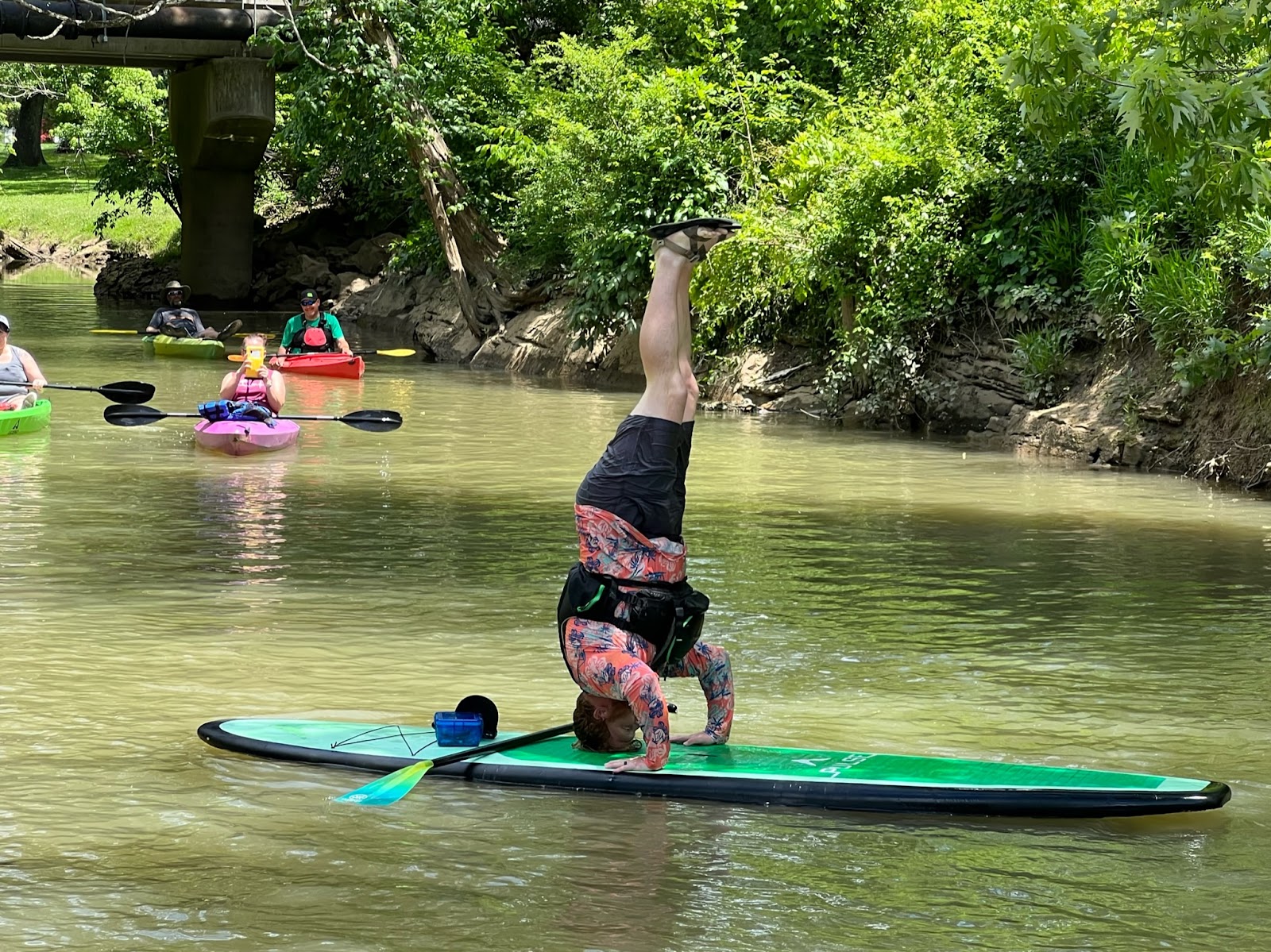
The final number of registrants for the 2022 flotilla reached about 420 paddlers, a significant increase from last year's 225 participants.
Attending the event and showing support for the club’s efforts were Glenn Jacobs, Knox County Mayor; Carol Evans, Legacy Parks Foundation Executive Director and Floatmaster of the flotilla; Chris Parrot, Senior VP of First Bank, the community bank that sponsored this year’s flotilla; Joe Mack, Director of Knox County Parks and Recreation; Larsen Jay and Terry Hill, Commissioners for Knox County; and Justin Lafferty, State Representative.
Carol Evans, the Floatmaster for the flotilla, attended the first planning meeting about 7 years ago and recognized that people want close-to-home recreation opportunities. “The Great Smokey Mountains are a short drive away, but Beaver Creek is in our backyard and a place where people can stop after work or spend part of their weekend” she said. Ms. Evans also recognized Randy Burleson on the 30th anniversary of Aubrey’s Restaurant, whose generous donation to the Legacy Parks Foundation and Knox County Tennessee - Water Trail paid for the BoardSafe Adaptive Kayak Launch at Powell, now being identified as "Aubrey’s Launch."
Larsen Jay, a commissioner for Knox County, stated that he has been involved in this project for the last 4 or 5 years. He and his co-commissioners understand the value to the community of the cleanup of Beaver Creek. So much so, that Knox County mayor Glenn Jacobs allocated one million dollars to improve and maintain the 44-mile stretch of water. A dedicated maintenance crew floats the creek every day to take something out. To date, they have removed 704 tons of debris, from small trash to downed trees and dams that have caused stormwater runoff and flooding of the community. Their vision of “Clear it, Clean it, and Care for it” has received overwhelming support from the communities along Beaver Creek.

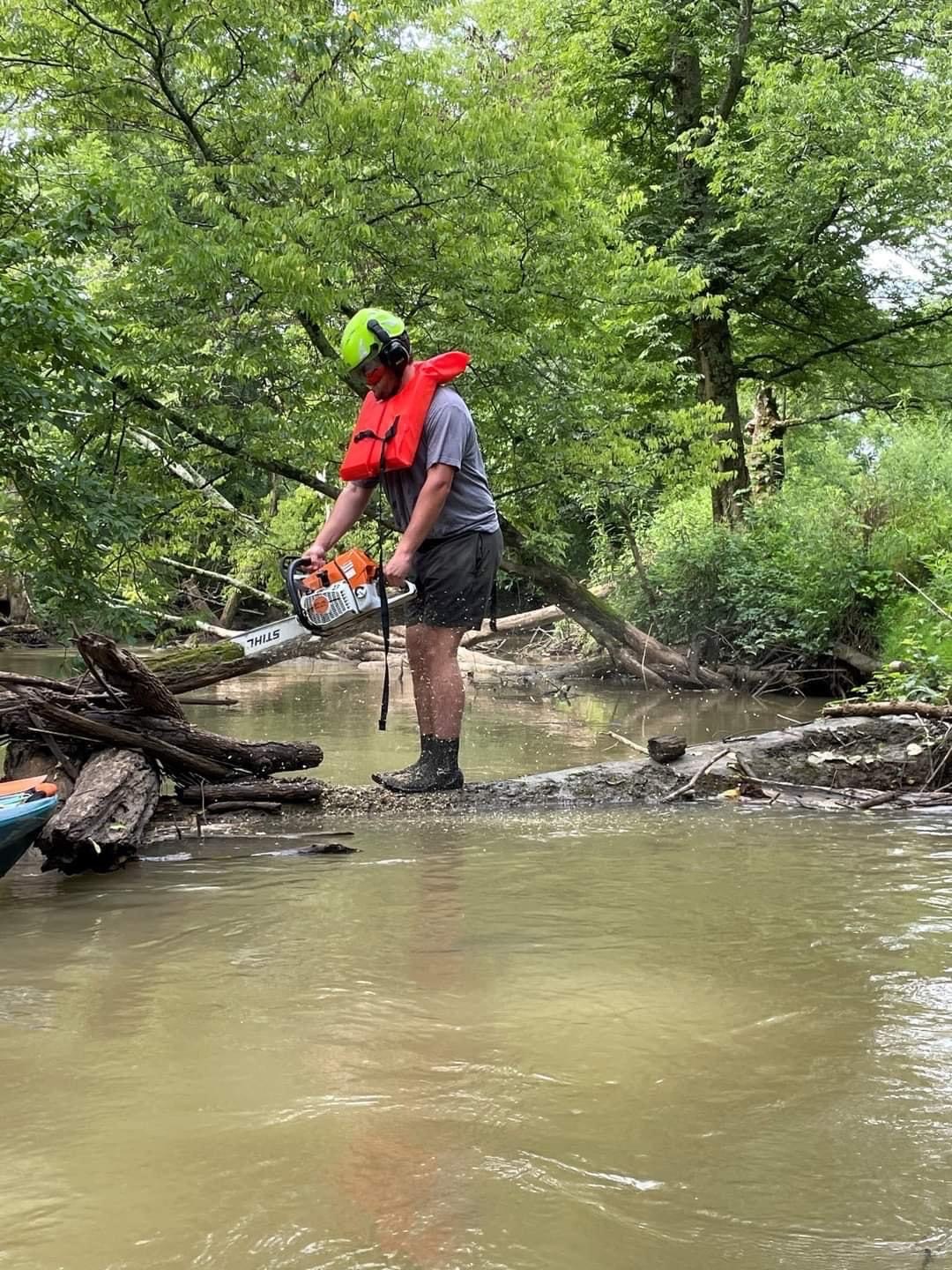
As the creek has been cleared and cleaned, the water quality has improved, the flooding decreased, and the stream is now open to the community for paddling and fishing. Knox County Stormwater hosted an information booth at the flotilla and provided education about their role in caring for the creek. Its mission of stormwater compliance is to enhance the quality of life for Knox County citizens through education, service, and management of water resources.
Kayaking and other paddlesports have proven to be beneficial to one’s mind, body, and spirit, and major factors in the dramatic increase in the number of people who now enjoy the sports. Saturday’s flotilla demonstrated an even greater, additional value, because it showed that building and investing in community resources will bring communities together—particularly communities that may not have been connected in the past.
The excitement about these communities investing in an accessible and inclusive BoardSafe Kayak Launch was present before the flotilla started.
Charlie Austin, club president, commented on the Beaver Creek Kayak Club’s Facebook page, “Y’all!!! I absolutely could not be any more excited! The new launch docks for the Landing in Powell and Roy Arthur Stormwater Park are heading to Knoxville! These docks are going to be a game-changer for total access to the stream! I feel like a kid that’s gotten the best gift ever! I’m so excited for the future of Beaver Creek!”
It's understandable why Charlie is president of the Beaver Creek Kayak Club—his enthusiasm and passion are contagious and you feel it from the moment you meet him.
Charlie wasn’t the only one excited about the launches being installed prior to the flotilla. Meredith Millhorn Boatman spotted BoardSafe’s tractor-trailer and stopped to post the following picture to BCKC’s Facebook page to share her enthusiasm about the accessible launch that was on its way. The club’s excitement was contagious as they waited for BoardSafe Docks to arrive.
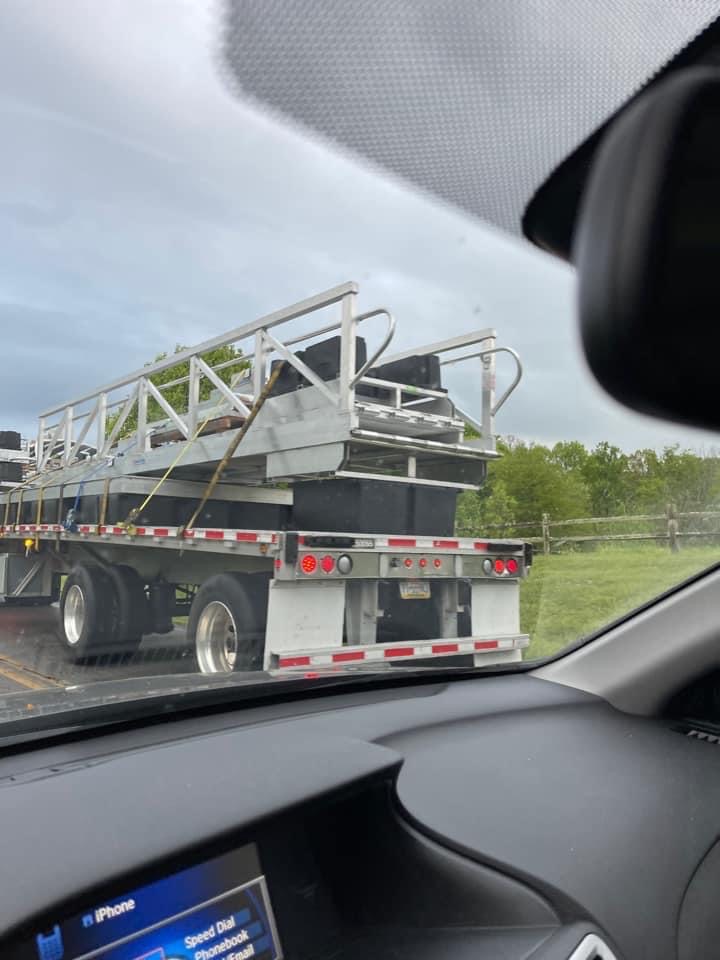
Facebook photo posted by Meredith Millhorn Boatman
The number of volunteers the kayak club rounded up was too many to count. Blue shirts were everywhere ensuring that everyone was being helped and kept happy. The day could not have been such a success without them.
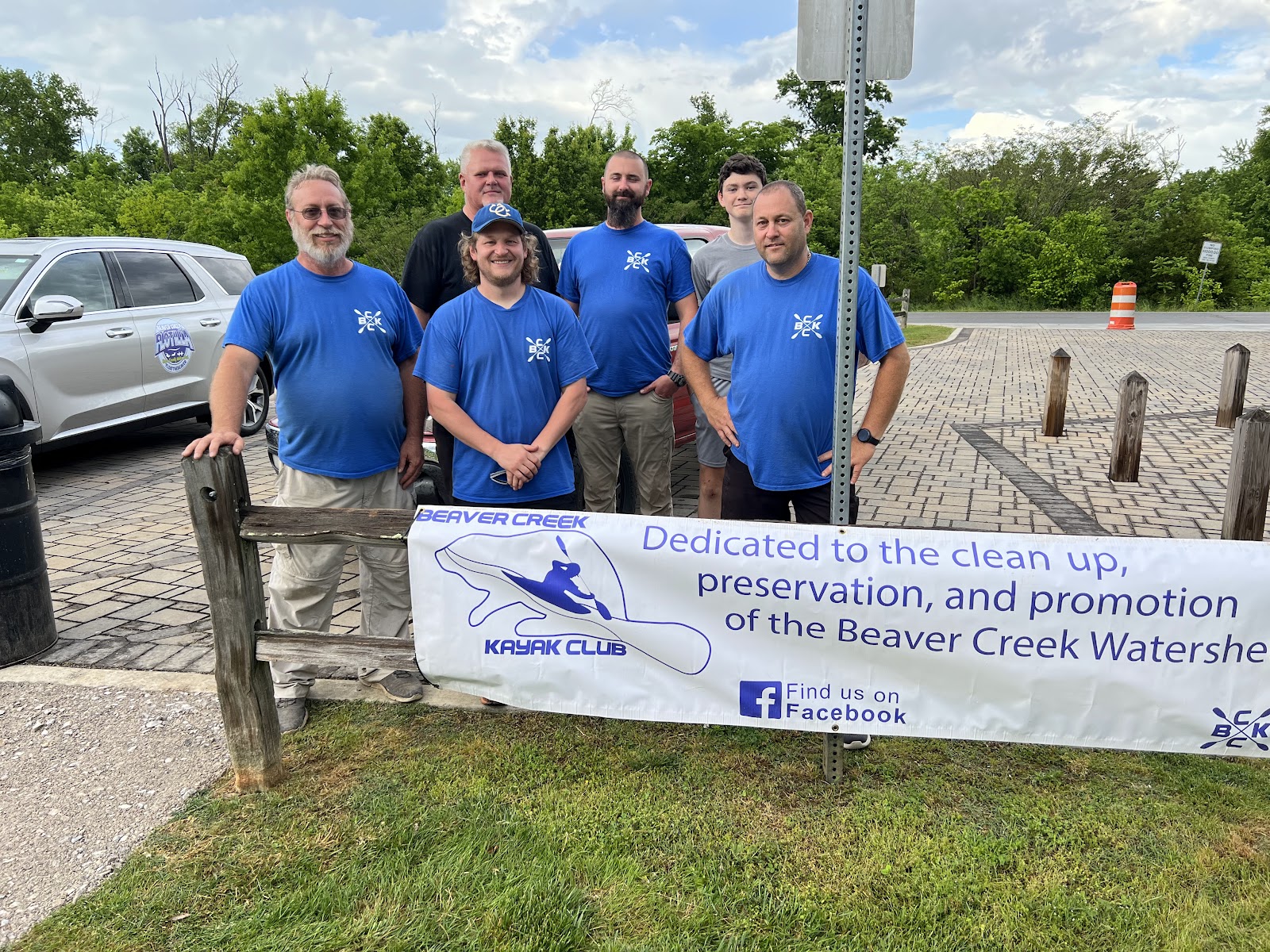
This 5 a.m. setup crew worked many long days leading up to the event.
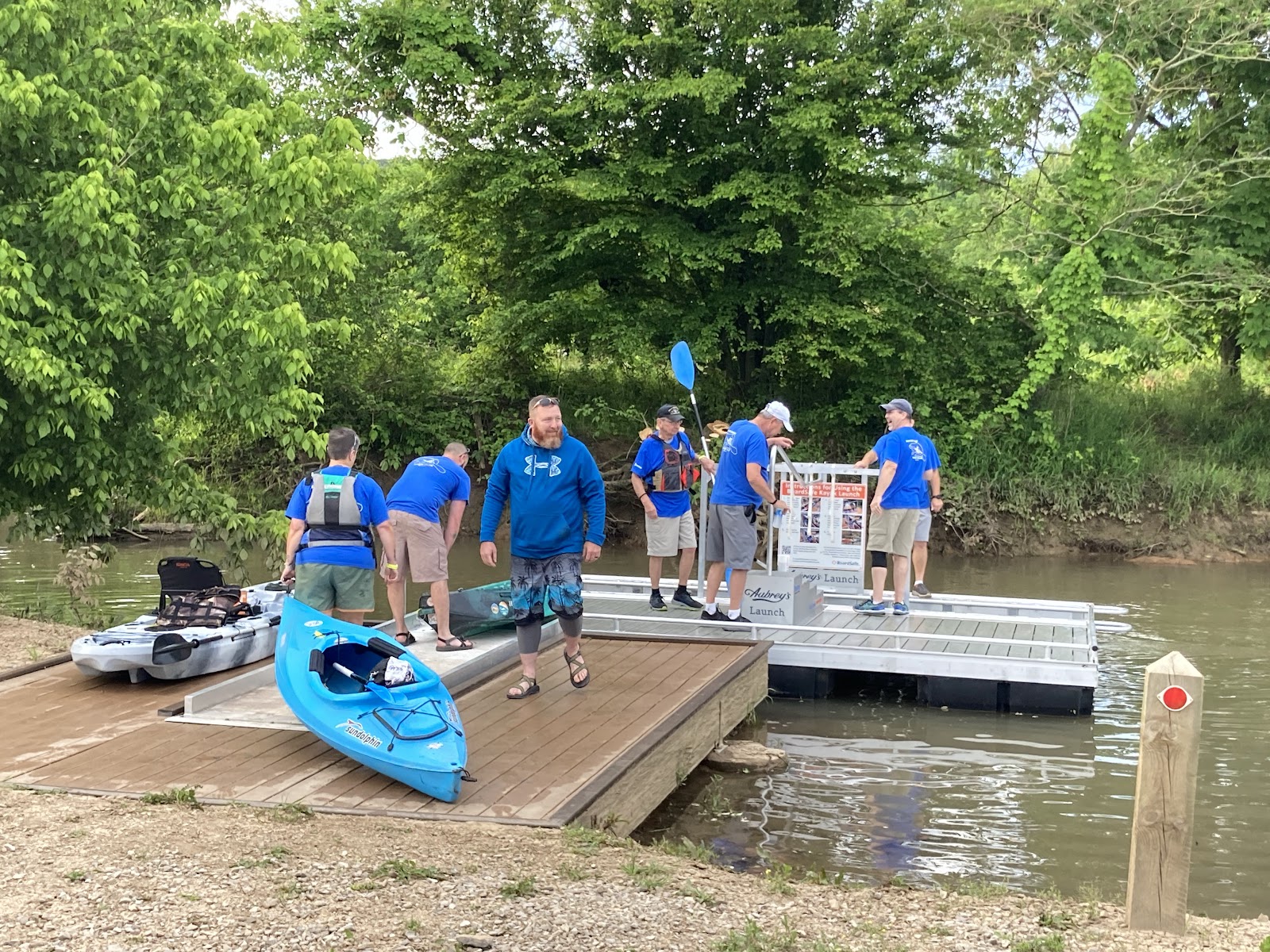
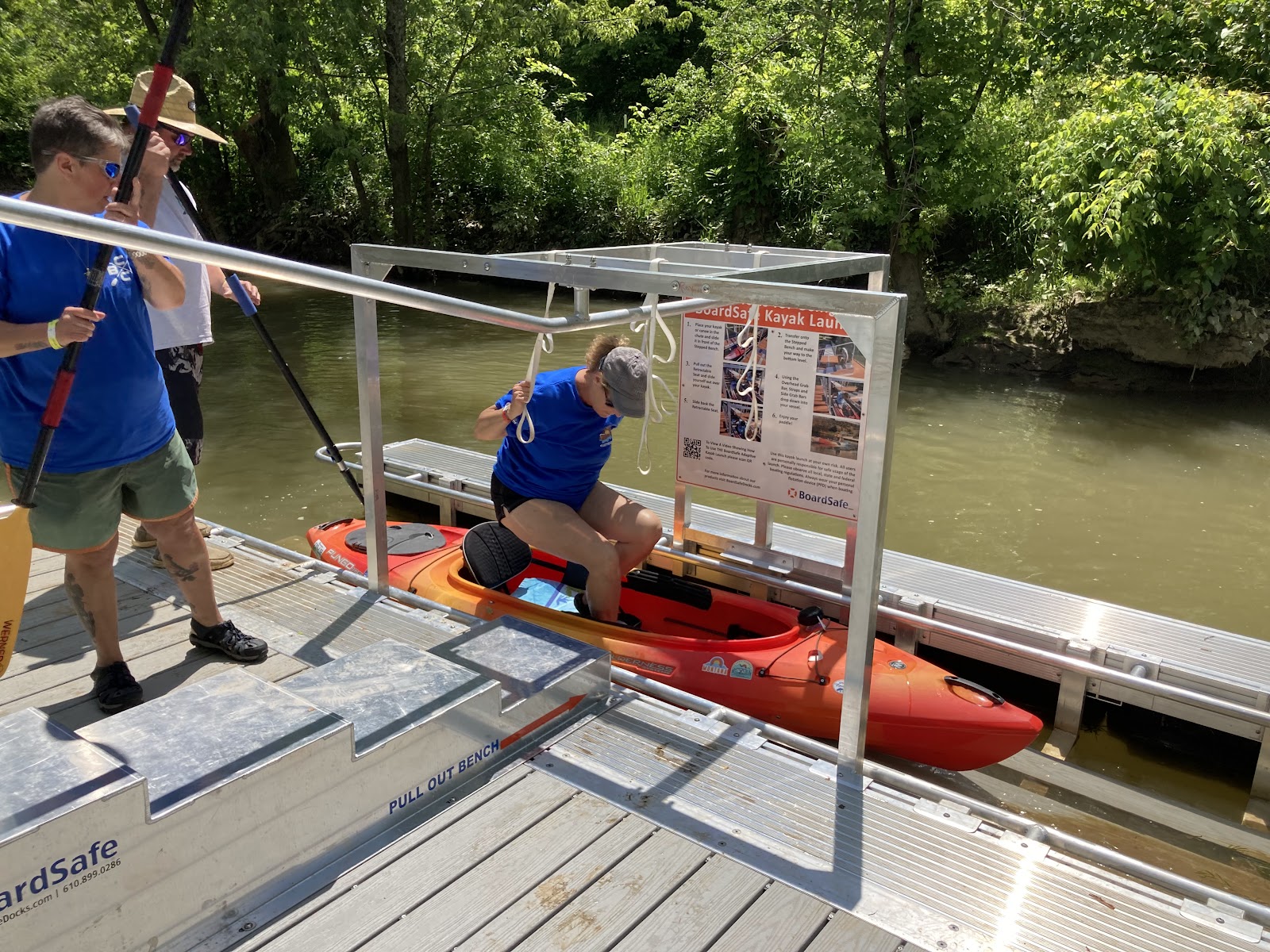
Volunteers assisting at Powell Launch (upper photo) Volunteers at Roy Arthur Park exit (lower photo)
The commitment from community stakeholders was also evident by both their time and donations. The local Napa Auto Parts donated water to each participant in the paddling event and Weigles’ convenience store donated snacks and refreshments at the first exit and tossed granola bars and treats to those who chose to complete the full 6-mile paddle.
Almost every segment of the community seems to have played a part in this grassroots effort started by the Beaver Creek Kayaking Club and Karns Community Club. Participants included local scouting groups and high school teams who volunteered their time. What a great example this community is modeling for their youth!
The long-range plan of the Beaver Creek Kayak Club is to work with community stakeholders to continue to "Clear, Clean, and Care for" the 44-mile stretch of Beaver Creek. After their extremely successful flotilla, their energy level remains high to continue on down the creek. Connecting communities and getting everyone on the water safely and easily will please the families who reside there, build value by connecting the communities, and make Beaver Creek accessible to everyone who wishes to enjoy its beauty.
Adaptive Paddler Reviews Accessible Kayak Launch After First Experience
If you are interested in learning more about the amazing efforts of the Beaver Creek Kayak Club, you can follow them on Facebook and view hundreds of pictures from this memorable day. To help support this amazing community with their continuing efforts, you may donate here: https://legacyparks.networkforgood.com/projects/161247-beaver-creek-water-trail.
BoardSafe Docks was pleased to play a part in the design and manufacture of adaptive kayak launches for both the Powell and Karns communities. These launches will allow safe and easy access to the water for many years to come. "It was an incredible experience and an honor to have played a part in the event,” said Scott Tihansky of BoardSafe Docks. The excitement and sense of community could be felt by everyone involved. Every paddler ended their day with a smile. “Incredible." "Amazing." "So easy." "This is so awesome!” These were comments heard from paddlers as they exited their kayaks after the 6-mile paddle to the Karns Community Launch.
Click on the following link to view more pictures from the Beaver Creek Kayak Club 2022 Flotilla:
https://www.icloud.com/sharedalbum/#B0l53qWtHZdfDR
BoardSafe Docks is a trusted designer, engineer, and manufacturer, of all types of aluminum floating docks and fishing pier systems. Their adaptive kayak launch and design knowledge about specific adaptive features necessary for paddlers in wheelchairs help make inclusive paddling happen for many cities, towns, lakes, and riverfront communities.
BoardSafe also specializes in designing and manufacturing rowing centers for national collegiate rowing teams all across the USA. You’ll find their gangways located all across the United States in places like the TD Garden in Boston and Battery Park in New York. They find solutions for many design questions that leave architects and engineers scratching their heads. BoardSafe is the go-to source for any project on the water. Their sales team is always available for questions, consultation, and to assist you in finding your optimal waterfront solution.
To learn more about our projects, please visit our website, BoardSafeDocks.com, or contact us at 610-899-0286.
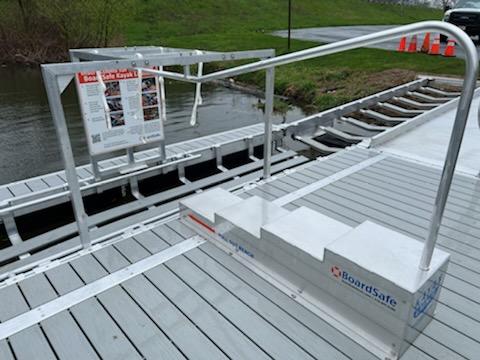
Maintenance Costs Are at a Minimum with Your BoardSafe Adaptive Kayak Launch
We often receive questions about the long-term maintenance and durability of our accessible products, particularly the BoardSafe adaptive floating dock system. In many cases, BoardSafe’s floating dock systems are funded through grants and taxpayer-funded initiatives; therefore, customers tend to look for products with long-term durability and minimum upkeep.
With increasing material costs and economic indicators hinting that prices of goods and services will continue to rise in the near future, project funding and tight budgets don’t always include a budgetary line item for long-term maintenance costs.
It’s justified that cities, towns, parks, and recreation departments, are concerned about long-term planning and additional resources it may take to fund, build, and maintain their capital investments. With tight budgets and inflation on the rise, buyers are looking for quality and long-lasting products with minimal long-term maintenance costs.
The BoardSafe Adaptive Kayak Launch empowers adaptive athletes, making it easier to enter and exit their vessel. Their features promote independence, allow adaptive paddlers to experience the freedom of the water like everyone else, and make it safer for the volunteers and family members who are there to assist them.
Adaptive features specific to BoardSafe Kayak Launches
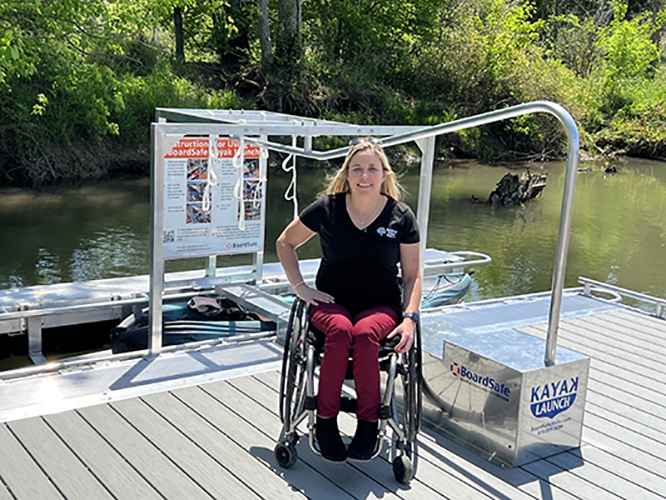
The adaptive features found only in a BoardSafe Adaptive Kayak Launch include a gangway with a 1/12 pitch or less. The boarding bench is the same height as a wheelchair, making it easy for kayakers to slide onto the bench. The bench offers a gradual step down to the vessel. The roll cage around the bench offers extra supportive features with the overhead grab bar and optional hand staps.
The paddler can slide down the bench from either side, depending on their preference. There is a stadium-style bleacher seat that pulls out over the kayak. With the paddler seated on the bleacher seat, the overhead grab straps afford adaptive athletes the ability to slide themselves slowly into their vessel.
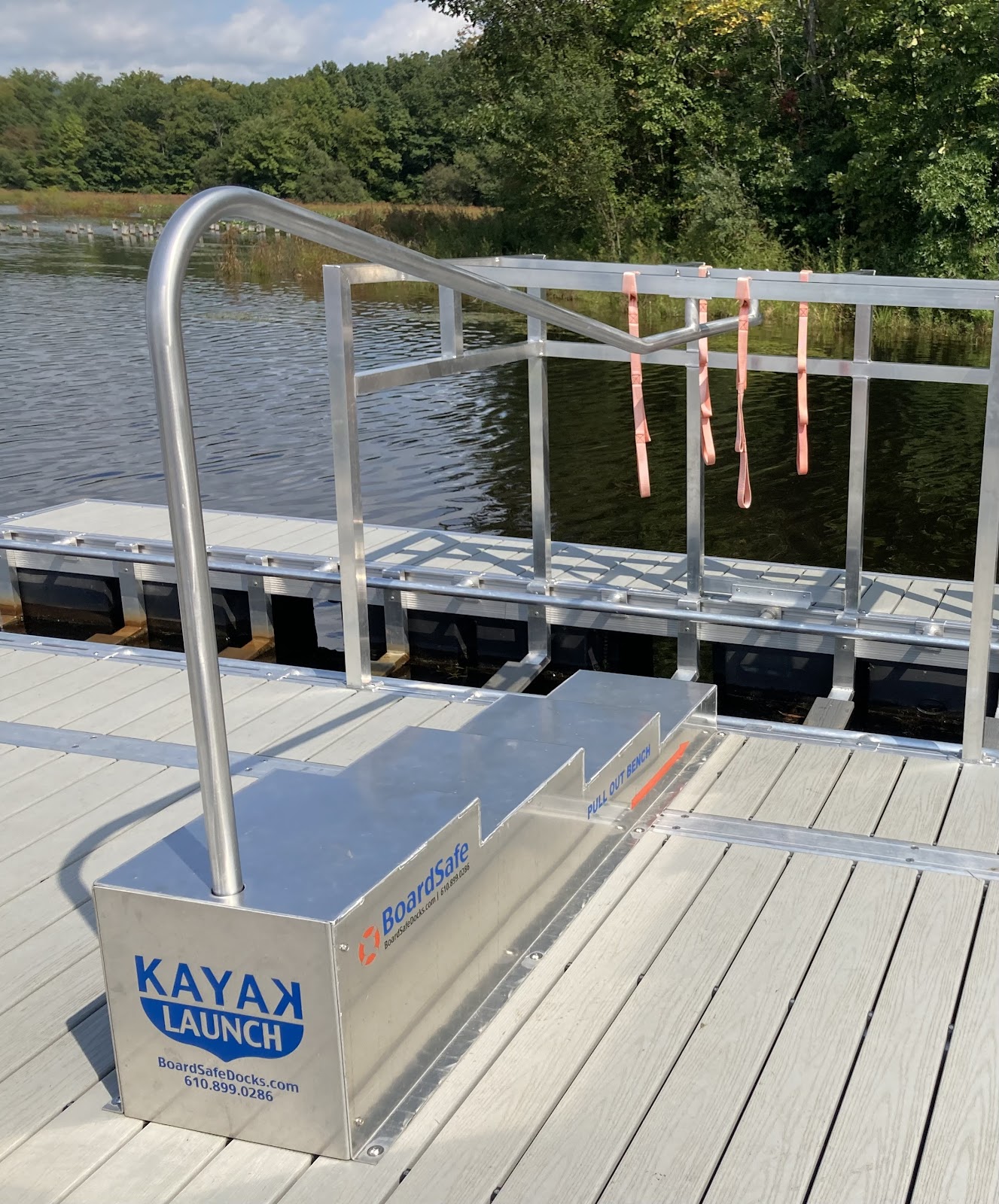
Boarding Bench Adaptive Features can be seen in this picture
Adding to the stability of the launch is a cradle that holds the kayak securely in place. The kayak fits snugly into the cradle so there is no worry about tipping or moving unexpectedly, which is the risk with roller-type launch systems. Adaptive paddlers have reported that the roller-type launch does not securely hold the kayak in place, and gravity can cause the vessel to shift upon entry, making the entrance less safe than a cradle launch.
Once the adaptive paddler is securely fitted into the vessel, there are appropriately-spaced grab bars on each side of the cradle they can use to pull themselves out onto the water. BoardSafe’s inclusive features are demonstrated to work (see video link below), and the value of these features to an adaptive paddler has no price. The true value is getting them out on the water with family and friends.
Structural features of BoardSafe Floating Docks
While the inclusive features are valued by adaptive paddlers, it’s the structural features that make BoardSafe Docks the premier floating dock option on today’s market. The structural integrity of BoardSafe products sets them apart from the rest of the competition. Anyone who has seen or experienced the launch firsthand can attest to the quality design of their docks, gangways, piers, and adaptive launches.
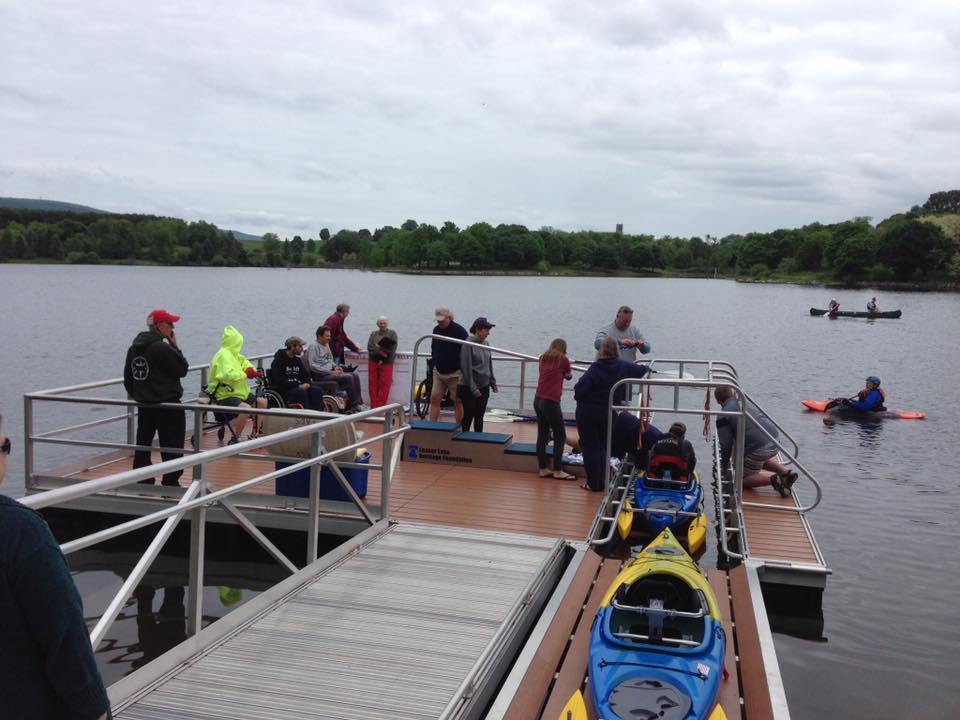
BoardSafe’s first adaptive kayak launch installed in 2015
In addition to the value of BoardSafe’s adaptive features, the floating dock system also offers value to those concerned about the dock’s long-term maintenance. Understanding the product components and the structural integrity of BoardSafe’s floating dock system helps keep concerns about long-term maintenance costs at bay.
BoardSafe Floating Launches are durable, versatile, and able to withstand the test of time and weather. Not all dock builders have this reputation. The aluminum welded frames, composite decking, and plastic encapsulated flotation, create a maintenance-free system.
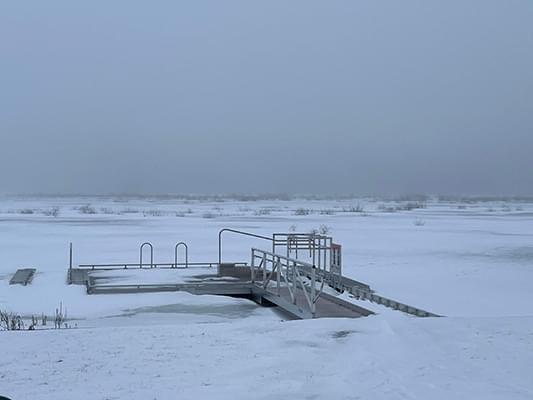
Launches may remain in water and can withstand a freeze and thaw, and snow, as long as there are no tidal changes or moving ice jams that may do damage to the launch.
More about Boardafe Dock’s structural components
There are three main components used in manufacturing a BoardSafe aluminum floating dock. The combination of these materials has proven to provide a structural, aesthetically pleasing floating dock system with a life span of 20 to 30 years. The system is intentionally designed for minimum maintenance and upkeep.
The BoardSafe Floating Dock System is manufactured using the following materials:
- Aluminum Frame
- Marine Grade 6061 or 6063
- Welded connections
- Stainless steel fasteners
- Composite Decking
- Rated for commercial use
- Rated for anti-slip in accordance with ADA requirements
- Plastic Encapsulated Flotation
- Foam-filled
- Plastic shell
Why do these durable materials make the system long-lasting and unique?
Welded connections, marine-grade aluminum, and stainless steel fasteners, withstand the test of time and weather and are maintenance-free materials. Aluminum and stainless steel will not corrode or rust. These components also stand up to the elements of weather and changes in tide and temperature, and are durable enough to withstand the test of time.
The composite decking used in BoardSafe’s systems helps make the decking system maintenance-free. The water-resistant, plastic deck boards used on BoardSafe docks have an anti-slip tread that meets ADA standards. Since BoardSafe kayak launches are designed to the highest standards of accessibility with the adaptive community in mind, the safety precautions they take are a standard and not an option.
The plastic-encapsulated floats provide stability by distributing weight more evenly and meet all marine industry standards. The floats will adjust to the water’s changing height and tidal changes and will keep the dock’s freeboard unchanged.
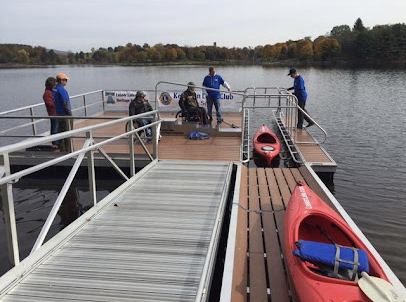
Pictures from the first BoardSafe Adaptive Kayak Launch at the ribbon-cutting ceremony on 10/24/2015
Leaser Lake is the location of the first adaptive kayak launch, which was installed in 2015. The following pictures show a frozen Leaser Lake in 2021 and a picture from the spring of 2022, seven years after its installation. Kayakers will be able to enjoy the launch for many years to come because of its structural integrity and durability.
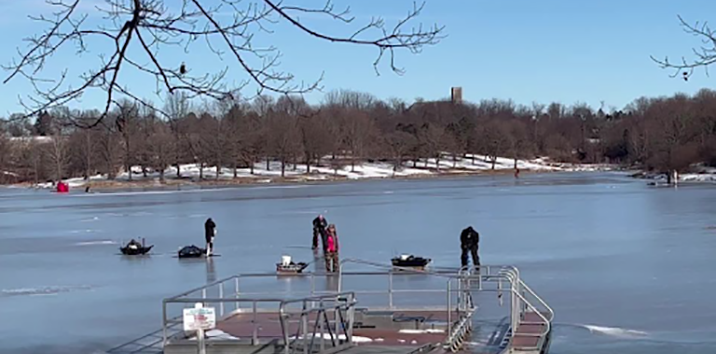
A frozen Leaser Lake in 2021
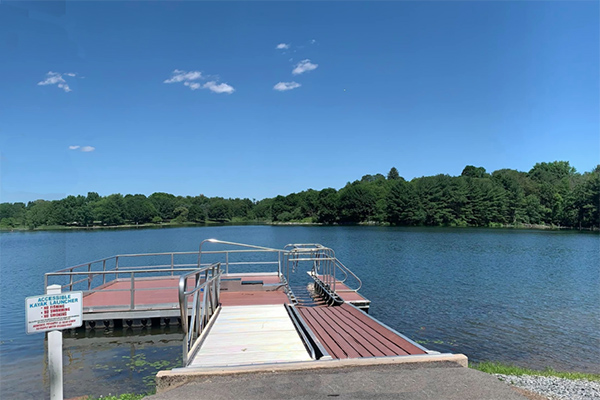
Leaser Lake Adaptive Kayak Launch in spring of 2022 (7 years later)
“BoardSafe has all the features to provide the most access to the greatest number of users’” said George White, Wetland Biologist and Team River Runner Chapter Coordinator for Lehigh County.
People who enjoy water sports are often subject to climates and locations that experience four seasons. For example, people in New England and the midwest face extremes of heatwaves and frigid blizzards. Many of BoardSafe’s clients in these areas are concerned about protecting their floating docks, fishing piers, gangways, and adaptive accessible kayak launches. Parks and outdoor spaces must winterize their areas by putting items into storage, placing covers over certain items, and spending time to protect objects against the harshness of the winter. Customers often ask if BoardSafe products need to be removed from the water and stored during the winter. The short answer is, “No, BoardSafe’s floating docks, fishing piers, gangways, and adaptive accessible kayak launches do not necessarily need to be removed for the winter.”
User groups in the northern United States and Canada will be happy to know that Board Safe’s docks and launches can remain in the water for the winter as long as there is no fluctuation in the body of water where the launch is located and there are no ice pack movements around the launch system. Unusual situations, like draining a lake or chunks of ice floating down a river, could damage the product. That said, a floating dock, fishing pier, or adaptive launch that has a steady level and flow of water around it will endure the winter and can be left in the water. However, this decision should not be made in isolation without having conversations about winter weather conditions with both park managers and BoardSafe Docks.
BoardSafe’s products use high-quality grades of stainless steel, synthetic lumber, fiberglass, hardware, and other materials that are selected for their durability and ability to withstand extreme elements. However, they cannot control acts of Mother Nature and consideration should always be given to preparation for the most extreme of all possible weather conditions.
Since every location and application is just a little bit different, BoardSafe Docks should always be consulted prior to allowing products to sit in the water throughout the winter. With hundreds of installations across numerous climates and environmental conditions, BoardSafe is an expert in location selection, site work, design, engineering, manufacturing, and installation of floating docks, piers, and adaptive launches. To discuss your project and learn more about BoardSafe Docks, their adaptive features, durable construction, and long-term maintenance suggestions, please call us at 610-899-0286 or contact us through our website at BoardSafeDocks.com.
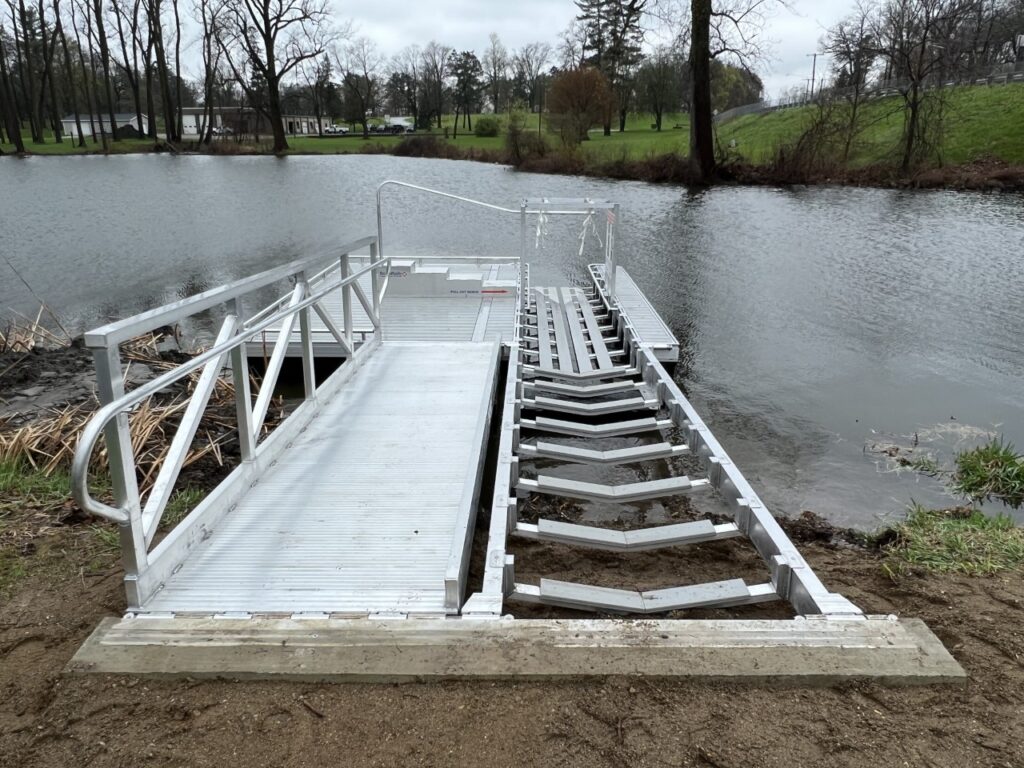
Adaptive Kayak Launch Installed at Rotary Park, Coldwater, MI
A new BoardSafe Docks adaptive kayak launch was just installed at Rotary Park in Coldwater, Michigan, sponsored by the Coldwater Township Sunrise Rotary and the Coldwater Rotary Club. It was funded through the Coldwater Rotary Club, the Coldwater Township Sunrise Rotary, and the Coldwater Solar Project.
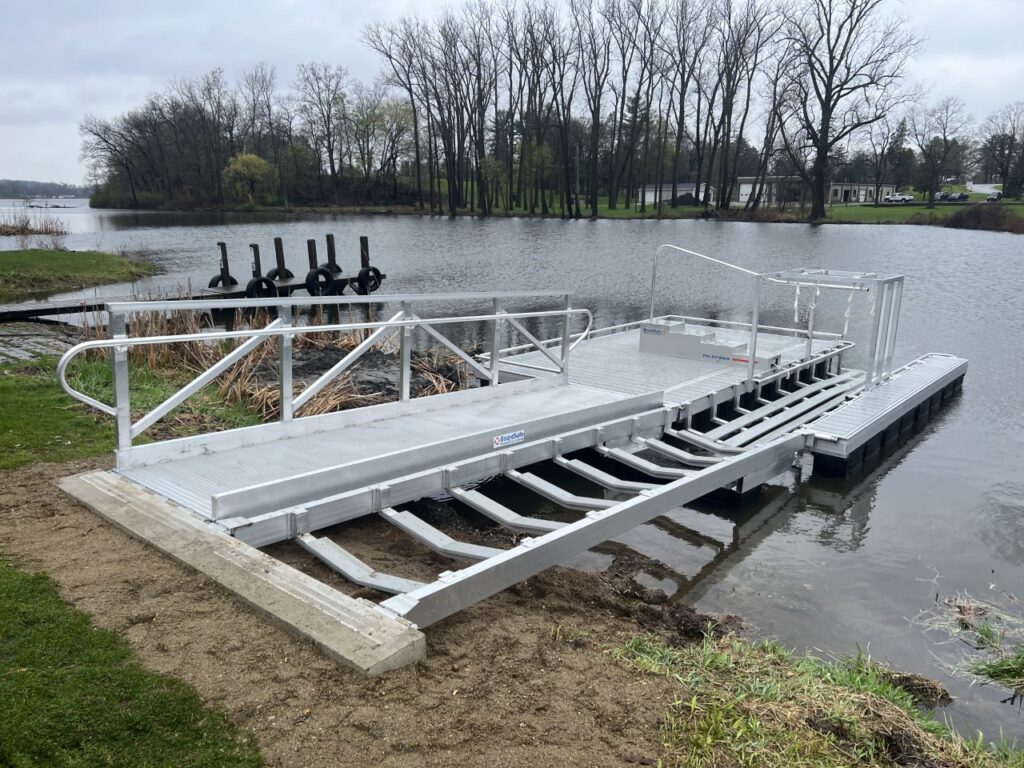
This BoardSafe Docks launch is the only adaptive kayak launch in the area. BoardSafe designed and fabricated the system, and provided onsite construction supervision, working alongside the city's employees to build the launch.
It will allow all kayakers, including those with special needs, to have easier access to the water.
We Empower All Abilities. This Spring Will Be More Fun for Paddlers at the New Beaver Creek Launch in Powell, TN
Two new adaptive kayak launches have been installed on Beaver Creek! You will find them at Powell High Landing (Brickyard Road) and Roy Arthur Stormwater Park (Harrell Road).
Beaver Creek Water Trail spans the length of Knox County, Tennessee, a 44-mile stretch from Halls to Melton Hill in Hardin Valley, and is a popular spot for paddling; ADA boat dock with kayak put-in behind Powell High School; dock/put-in at Roy Arthur Stormwater Park features a popular route running from the Park to the Northwest Sports Complex with a mix of light rapids and peaceful, placid water.
Beaver Creek is an ideal learning site, especially the area from Halls to Powell or launching at the put-in behind Powell High School and floating to Clinton Highway. You can stand up and walk out of most places in the creek and the gentle current will carry you along.
Learn more about the Beaver Creek Water Trail and how BoardSafe Docks helped them meet their accessibility and deadline goals with these local pieces:
View this video on Facebook:
facebook.com/groups/1682230425349003/permalink/3166073996964631/